Long-Range Perimeter Security Speakers: Cover 100+ Meters Without Losing Clarity
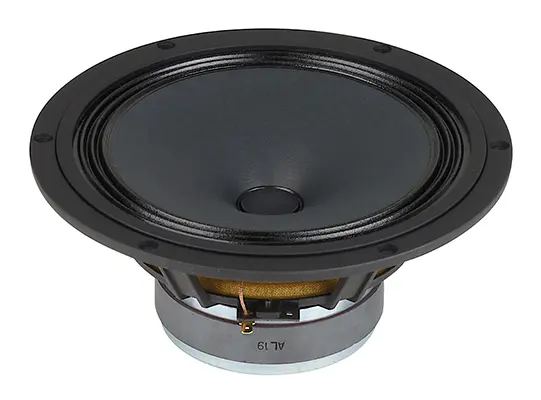
For large perimeters—border fences, industrial yards, or campus boundaries—generic security speakers fall short: They fade after 30 meters, forcing you to install dozens of units (costly and hard to maintain). We’ve seen a factory install 50 generic speakers to cover a 500-meter perimeter—most failed within a year, and alerts were still unclear at the far end.
Long-range security speakers solve this by delivering clear audio 100+ meters, cutting installation costs and improving coverage. Let’s break down how long-range speakers work, what to look for in a high-distance model, and how to integrate them with perimeter sensors (motion, infrared) for seamless threat response.
First: What Makes Long-Range Speakers Different?
Long-range security speakers aren’t just “louder”—they use specialized design to project sound without fading or distortion:
| Feature | Generic Speakers | Long-Range Security Speakers | Why It Matters for Perimeters |
|---|---|---|---|
| Power | 5–10W RMS | 20–50W RMS (high-power amplifiers) | More power = sound travels farther (100+ meters vs. 30 meters). |
| Dispersion | Wide (120°+) | Narrow (30°–60°) | Focuses sound on the perimeter line, not empty space—no wasted audio. |
| Driver Design | Small cones (3–4 inches) | Large, rigid cones (6–8 inches) | Big cones move more air, projecting sound farther without distortion. |
| Signal Processing | Basic | Digital signal compression (reduces sound loss over distance) | Maintains clarity at 100 meters—alerts don’t turn into static. |
How to Choose Long-Range Perimeter Speakers
Not all “long-range” speakers deliver—focus on these critical specs:
1. Power & Coverage: Match to Perimeter Length
Calculate your needs based on how far you need sound to travel:
- 20W RMS: Covers 80–100 meters (ideal for small industrial yards).
- 30–40W RMS: Covers 120–150 meters (ideal for campus/corporate perimeters).
- 50W RMS: Covers 180–200 meters (ideal for border fences, large factories).
Key Note: Power isn’t everything—pair high power with a narrow dispersion angle (30°) to avoid wasting sound. A 30W speaker with 30° dispersion covers farther than a 50W speaker with 120° dispersion.
2. Weather Resistance: IP67+ + UV Protection
Long-range speakers live outdoors, exposed to extreme weather:
- IP67 or IP68: Withstands rain, snow, and pressure washing.
- UV-Resistant Casings: Prevents plastic from fading/cracking in direct sunlight (critical for desert or coastal perimeters).
- Wind-Resistant Grilles: Curved grilles redirect wind away from the driver—avoids wind noise drowning out alerts.
A border security team used IP68 UV-resistant speakers—they survived 120°F (49°C) summers and sandstorms, with no degradation after 3 years.
3. Energy Efficiency: Solar Compatibility (Remote Perimeters)
Many long perimeters (e.g., rural borders) have no power outlets—choose speakers that work with solar:
- Low Power Consumption: Look for <10W standby power—solar panels can keep up.
- Battery Backup: Built-in lithium-ion batteries (8–12 hours of backup) for cloudy days.
- Solar Charge Controller Compatibility: Works with standard 12V/24V solar systems—no custom wiring.
A rural factory used solar-powered 30W speakers—they covered 120 meters of perimeter without grid power, cutting energy costs by 80%.
Integration with Perimeter Sensors
Long-range speakers shine when paired with perimeter detection systems:
- Infrared Motion Sensors: Trigger alerts (“Unauthorized access—leave immediately”) when someone crosses the perimeter—speaker activates in <1 second.
- Fence Vibration Sensors: Detect fence cuts/climbs—speaker plays a loud tone (110dB) to deter intruders and alert security.
- CCTV Integration: Cameras verify threats; if a sensor is triggered by an animal, the speaker stays silent (avoids false alerts).
A campus used this setup—infrared sensors detected a trespasser at 150 meters, and the long-range speaker played an alert. Security arrived before the trespasser reached the building.