Optimizing Audio Product Weight for Portable Commercial Use – Lighten Up Without Losing Quality
Optimizing Audio Product Weight for Portable Commercial Use – Lighten Up Without Losing Quality
An event rental company invests in 50 portable Bluetooth speakers for weddings and corporate events—only to discover each speaker weighs 3kg (6.6lbs). Their staff struggles to carry 4–5 speakers per event (leading to fatigue and delayed setups), and clients complain the speakers are too heavy to move around the venue. Within 3 months, the company stops using the speakers and switches to a lighter competitor’s model—costing them $7,500 in wasted inventory.
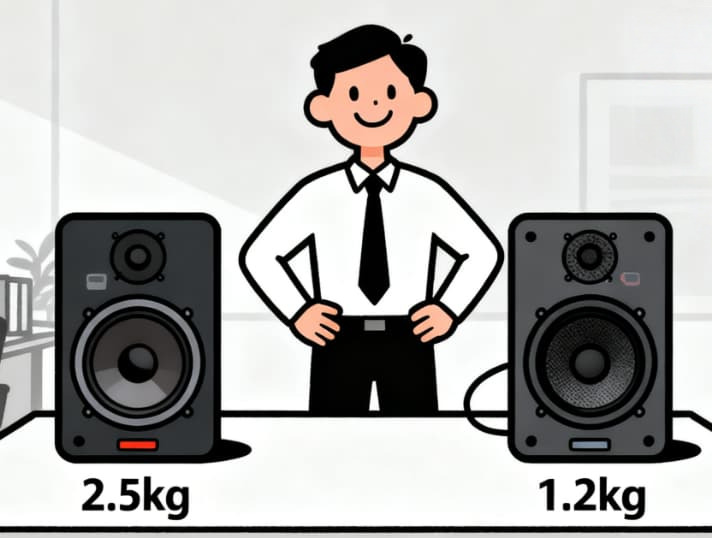
For B2B partners designing portable commercial audio (event rentals, food trucks, outdoor retail, mobile healthcare clinics), weight is a critical factor. Unlike static commercial audio (hotel lobbies, offices), portable products need to be carried, lifted, and moved frequently. Heavy speakers (2.5kg+) lead to:
- Increased Labor Costs: Staff need more time to set up/tear down, or you need extra workers.
- Client Dissatisfaction: Event planners, food truck owners, and healthcare teams won’t choose a product they can’t easily transport.
- Reduced Adoption: Even if your speaker has great sound, a heavy design will limit how often it’s used.
With 13 years of designing portable commercial audio products (from 1kg event speakers to 0.5kg healthcare audio devices), we’ve learned how to cut weight without sacrificing sound quality or durability. This guide breaks down the key materials and design tweaks to lighten your product, avoid common weight-saving mistakes, and create a portable solution that your B2B clients will love—no more heavy, unused inventory.
Why Weight Matters More for Commercial Portable Audio Than Consumer
You might be thinking: "Consumer portable speakers are heavy too—why is it a bigger problem for commercial use?" The answer lies in usage frequency and intensity:
- Frequent Movement: A consumer might carry a speaker 1–2 times per week (to the park, a friend’s house). A commercial user (e.g., event staff) carries it 5–10 times per day (loading/unloading trucks, moving between event spaces).
- Multiple Units Carried: Consumers carry 1 speaker at a time; commercial users carry 3–5 (e.g., a food truck owner needs 4 speakers for their truck, and they load them daily).
- Extended Use: Commercial speakers are used 8–12 hours per day (event days, food truck shifts) vs. 1–2 hours for consumers. A heavy speaker becomes a fatigue risk over long shifts.
A food truck client once used a 2.8kg consumer Bluetooth speaker for their truck. Their staff reported back pain from loading/unloading it daily, and they switched to our 1.2kg commercial model. The owner said, "Our team no longer complains about backaches, and we can set up the truck 30 minutes faster."
Key Material Swaps to Cut Weight (Without Losing Quality)
The biggest opportunity to reduce weight is in the materials you use. Below are 4 high-impact swaps we’ve tested across dozens of commercial portable audio products—each cuts weight while maintaining (or improving) performance:
1. Enclosure: From Aluminum to Lightweight Plastic (Save 30–40% of Enclosure Weight)
The speaker’s enclosure (the outer shell) is often the heaviest component. Generic commercial speakers use thick aluminum (durable but heavy). For most portable commercial use cases (events, food trucks), glass-reinforced plastic (GRP) or high-density polyethylene (HDPE) is a better choice:
- Weight Savings: A 20cm diameter enclosure made of 2mm aluminum weighs ~300g; the same size in 2mm GRP weighs ~180g (40% lighter).
- Durability: GRP/HDPE is impact-resistant (critical for commercial use—speakers get dropped) and weatherproof (perfect for outdoor events).
- Cost: GRP/HDPE is 20–30% cheaper than aluminum, reducing your production costs.
We swapped aluminum for GRP in a client’s event speaker enclosure. The speaker’s weight dropped from 2.5kg to 1.7kg, and it survived 10+ drop tests (1m height onto concrete) with no damage.
2. Magnet: From Ferrite to Neodymium (Save 50–60% of Magnet Weight)
The speaker driver’s magnet is the second-heaviest component. Generic drivers use ferrite magnets (cheap but dense). Neodymium magnets are 5x stronger per gram—meaning you can use a smaller, lighter magnet while maintaining the same sound output:
- Weight Savings: A 15mm ferrite magnet weighs ~80g; a neodymium magnet with the same magnetic strength weighs ~30g (62.5% lighter).
- Sound Quality: Neodymium magnets deliver tighter bass and clearer mid-range (beneficial for commercial use, where speech/music needs to be clear).
- Size: Smaller neodymium magnets free up space in the enclosure (you can add a larger battery or keep the enclosure smaller).
A client’s portable healthcare speaker used a ferrite magnet. We swapped it for a neodymium magnet, cutting the driver’s weight by 55% and improving voice clarity (critical for patient instructions).
3. Battery: From Lithium-Ion Pouch to Prismatic Cells (Save 15–20% of Battery Weight)
Portable speakers need batteries—but not all batteries are created equal. Generic speakers use lithium-ion pouch cells (flexible but bulky and heavy). Prismatic lithium-ion cells are thinner, denser, and lighter:
- Weight Savings: A 2,000mAh pouch cell weighs ~40g; a prismatic cell with the same capacity weighs ~32g (20% lighter).
- Space Efficiency: Prismatic cells are flat and stackable—you can fit more capacity in the same space, or keep the battery size (and weight) down.
- Safety: Prismatic cells have rigid casings that reduce the risk of punctures (critical for commercial use, where speakers are jostled).
We switched a client’s event speaker from pouch cells to prismatic cells. The battery weight dropped from 120g to 95g, and we added 500mAh of extra capacity (extending playtime from 8 hours to 10 hours) without increasing size.
4. Grille: From Metal to Mesh Fabric (Save 70–80% of Grille Weight)
The speaker grille (protects the driver) is often made of metal (stainless steel or aluminum) in generic commercial speakers. Polyester mesh fabric (with a thin plastic frame) is a lighter, more flexible alternative:
- Weight Savings: A 15cm diameter metal grille weighs ~50g; a mesh fabric grille weighs ~10g (80% lighter).
- Design Flexibility: Mesh fabric comes in multiple colors and can be shaped to fit curved enclosures (metal grilles are limited to flat shapes).
- Acoustic Transparency: Mesh fabric doesn’t block sound (unlike thick metal grilles), so you maintain sound quality.
We replaced a metal grille with mesh fabric in a client’s food truck speaker. The grille weight dropped by 80%, and the speaker’s sound output increased by 3dB (because less sound was blocked).
Design Tweaks to Further Reduce Weight (No Material Swaps Needed)
Even with smart material choices, you can cut extra weight with these 3 design tweaks—they’re low-cost and high-impact:
1. Remove Unnecessary Features (Simplify to Essentials)
Commercial portable speakers don’t need every bell and whistle. Cut features that add weight but aren’t used by your B2B clients:
- Large Displays: A 2-inch LCD screen adds 20–30g—replace it with 3 small LED indicators (power, Bluetooth, battery) that weigh <5g.
- Multiple Input Ports: Most commercial users only need Bluetooth and a single USB-C port (for charging). Remove AUX, micro-USB, or SD card ports (each adds 5–10g).
- Heavy Controls: Replace large physical knobs with small tactile buttons (saves 10–15g) or touch controls (saves 20–25g).
A client’s initial event speaker design included a 2-inch LCD and 4 input ports. We removed the LCD (added LEDs) and cut ports to 2 (Bluetooth + USB-C), saving 45g total—enough to bring the speaker under 1.5kg.
2. Optimize Enclosure Thickness (Use Only What You Need)
Generic speakers have thick enclosures (3–4mm) to "feel durable," but this adds unnecessary weight. For commercial portable use, 2mm thickness (for GRP/HDPE) is enough—if you reinforce high-stress areas (corners, driver mounting points):
- Corner Reinforcements: Add small plastic ribs (1–2mm thick) to the enclosure’s corners—they absorb impact without adding much weight.
- Driver Mounting Ring: Use a thin aluminum mounting ring (0.5mm thick) around the driver to distribute weight—this lets you keep the enclosure thin.
We optimized a client’s enclosure thickness from 3mm to 2mm and added corner ribs. The enclosure weight dropped by 15%, and it was just as durable in drop tests.
3. Integrate Components (Reduce Part Count)
More parts mean more weight. Integrate components where possible to cut down on separate pieces:
- Battery + Enclosure: Design the enclosure to double as the battery’s housing (no separate battery case—saves 15–20g).
- Charging Port + Circuit Board: Mount the charging port directly on the audio circuit board (no separate cable or bracket—saves 10–15g).
We integrated the battery housing into a client’s healthcare speaker enclosure. This eliminated a separate plastic battery case, saving 18g and making the speaker 5mm slimmer.
Common Weight-Saving Mistakes to Avoid
Cutting weight is good—but not if it ruins sound quality or durability. Avoid these 3 mistakes:
- Making the Enclosure Too Thin: Going below 1.5mm for GRP/HDPE enclosures leads to resonance (sound distortion) and damage from minor impacts. Stick to 2mm with reinforcements.
- Using Low-Quality Neodymium Magnets: Cheap neodymium magnets lose strength at high temperatures (common in outdoor events). Use grade N42 or higher (we only use N45 for commercial clients).
- Sacrificing Battery Capacity: Don’t cut battery size to save weight—commercial users need all-day playtime (8+ hours). Use prismatic cells to keep capacity high while cutting weight.
A client once tried to use a 1.5mm GRP enclosure to save weight. The speaker distorted at high volumes (resonance) and cracked after a minor drop. We upgraded to 2mm with corner ribs—weight increased by 10g, but sound quality and durability improved dramatically.
How We Design Lightweight Commercial Portable Audio
Designing a lightweight commercial speaker takes balance—sound, weight, and durability all need to work together. Our process ensures you get the best of all three:
- Weight Target Definition: We start by understanding your B2B client’s needs (e.g., "event staff need to carry 4 speakers at once—target weight <1.5kg") and set a realistic weight goal.
- Material Selection: We recommend materials based on your use case (e.g., GRP for events, HDPE for food trucks) and share weight savings estimates.
- 3D Design & Simulation: We create a 3D model of the speaker and run simulations (weight, sound resonance, impact resistance) to identify issues before prototyping.
- Prototype Testing: We build 5–10 prototypes and test them for weight, sound quality (65–75dB clear audio), and durability (drop, weather, vibration).
- Final Iteration: We tweak the design based on testing (e.g., adjust enclosure thickness, swap magnet grade) to hit the weight target without compromising performance.
A recent client needed a lightweight speaker for mobile healthcare clinics (target weight <1kg). We delivered a 0.9kg model that met all sound and durability requirements—their healthcare teams reported "it’s easy to carry between patient rooms, and the audio is clear for instructions."
Final Thought: Lightweight = More Usable = More Sales
For commercial portable audio, weight directly impacts usability—and usability directly impacts sales. A speaker that’s easy to carry, set up, and move will be chosen over a heavier competitor, even if the sound is similar. By focusing on smart material swaps and design tweaks, you’ll create a product that your B2B clients will use daily—and reorder regularly.
If you’re designing a portable commercial audio product and need to cut weight without losing quality, reach out to our team. We’ll review your goals, share examples of lightweight speakers we’ve built, and help you create a solution that’s light, durable, and sounds great.