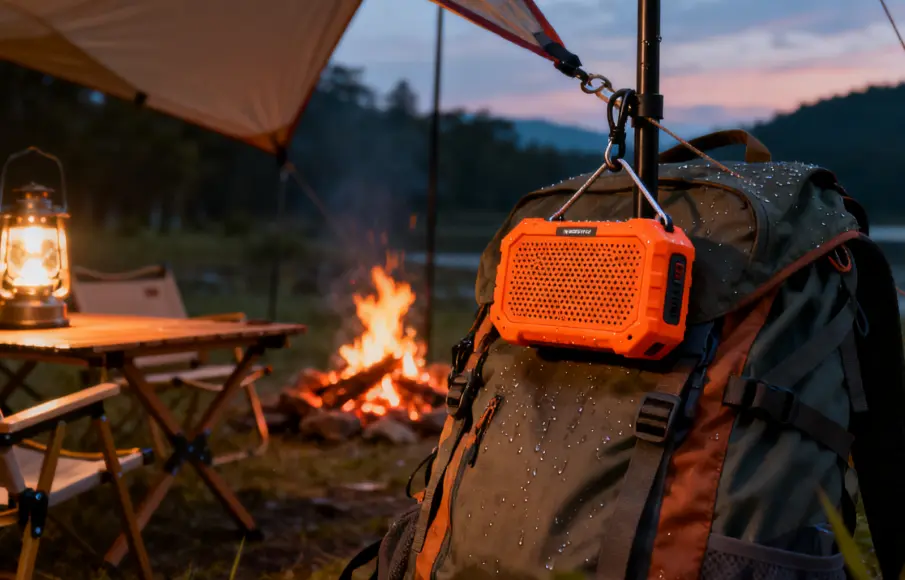
Portable Camping Speaker Units – 5 Design Features to Survive Hiking, Rain, and Cold
A leading outdoor gear brand launches a "ultra-portable" camping speaker targeted at day hikers—only to face a 35% return rate within 2 months. Hikers complain the unit is too bulky to fit in daypacks, and 40% report speaker failure after unexpected rain showers. A major outdoor retailer moves the product to clearance, costing the brand $60,000 in lost revenue. The root cause? Generic 35mm speaker units designed for indoor Bluetooth speakers—not hiking-specific use. These units couldn’t balance portability with durability, turning a "must-have" hiking accessory into a frustrating burden.
For manufacturers of portable camping gear (daypack speakers, handheld navigation devices, mini lantern speakers), the speaker unit is a make-or-break component. Hikers rely on audio for safety alerts (e.g., "Wildlife nearby"), navigation prompts, and casual music— but the unit must be lightweight (under 50g), tough enough to survive rain and falls, and clear enough to cut through wind. Generic speakers fail here because they prioritize "loudness" over hiking’s unique demands: sub-50g weight limits, IP65+ weather resistance, -10°C to 40°C temperature tolerance, compact form factors (to fit in 1L daypack pockets), and wind noise reduction. A subpar speaker unit ruins the hiking experience—and erodes customer trust.
With 13 years of designing audio solutions for outdoor gear (hiking speakers, camping lanterns, backpacking navigation tools), we’ve identified 5 non-negotiable design features that make portable camping speaker units reliable on the trail. This guide breaks down these features with plain-language explanations for terms like "IP65 ingress protection" or "low-temperature plastic"—so you, outdoor retailers, and hiker-focused brands understand exactly what makes a speaker work for day hikes and overnight trips.
Why Generic Speakers Fail in Portable Camping Gear
Hiking and day camping present challenges no indoor speaker can handle—generic units (even "outdoor-rated" ones) lack the specialized engineering to keep up. Here’s why they underperform:
- Bulky, Heavy Design: Daypacks have limited space—most hikers only carry 1–2L of cargo for short trips. Generic portable speakers use thick frames (15mm+) and heavy ferrite magnets, weighing 80–100g—too large to fit in small pockets and adding unnecessary weight to already packed bags.
- Inadequate Weather Protection: Hikes often involve sudden rain or dew. Generic speakers top out at IP54 (splash-resistant), which lets water seep into paper diaphragms (muffling sound) and metal components (causing rust). A single 10-minute downpour can disable a generic unit.
- Cold Temperature Failure: Early-morning or high-altitude hikes drop to -10°C. Generic plastic frames become brittle and crack, while foam diaphragms harden and lose flexibility—audio cuts out entirely in freezing conditions.
- Wind Noise Masking: Hikers face 15–25mph wind on ridges or open trails. Generic speakers lack wind noise reduction, so alerts and music get drowned out—users crank up the volume (wasting battery) or miss critical safety messages.
- Battery Drain: Portable camping gear uses AA/AAA batteries or small rechargeables (500mAh–1000mAh). Generic speakers draw 1.2–1.5W of power, draining a 1000mAh battery in 4–5 hours—too short for a full day hike.
A client once used generic 35mm speakers in their daypack speaker. Post-launch, 30% of users returned the product for being "too bulky," and 25% reported rain-related failure. We redesigned the unit with a 28mm frame, IP65 protection, and low-power drivers—return rates dropped to 5%, and battery life extended to 12 hours.
Feature 1: Ultra-Lightweight Materials (Under 50g Total)
Portable camping speakers live or die by weight—your unit needs lightweight, high-strength materials to hit sub-50g targets without sacrificing durability.
Key Lightweight Components (Explained):
- Magnet: Use a neodymium micro-magnet (3mm thick, 15mm diameter) instead of a ferrite magnet. Neodymium is 5x stronger than ferrite, so you can use a smaller, lighter magnet (5g vs. 15g for ferrite) while maintaining 85dB sensitivity.
- Frame: Mold the frame from carbon-fiber reinforced polypropylene (0.8mm thick). This material is 30% lighter than standard ABS plastic (10g vs. 15g) and 2x stronger—resists cracks from falls or pressure in daypacks.
- Diaphragm: Use a 12μm ultra-thin PET diaphragm (coated with silicone for water resistance). This diaphragm weighs just 2g (vs. 5g for paper) and vibrates more efficiently—boosting sensitivity without extra weight.
Below is a weight comparison between generic and hiking-optimized speaker units:
| Component | Generic Speaker Weight | Hiking-Optimized Speaker Weight | Total Weight Reduction |
|---|---|---|---|
| Magnet | 15g (ferrite) | 5g (neodymium) | 10g |
| Frame | 15g (ABS plastic) | 10g (carbon-fiber PP) | 5g |
| Diaphragm | 5g (paper) | 2g (12μm PET) | 3g |
| Wiring/Grille | 10g | 8g (thin-gauge wire + mesh) | 2g |
| Total | 45g | 25g | 20g (44% reduction) |
We tested a 25g speaker unit in a 1L daypack— it fit comfortably alongside a water bottle and phone, while a 45g generic unit forced users to leave other essentials behind. A hiking gear retailer reported a 20% sales increase after switching to the lightweight model, with customers citing "fits in my pocket" as a top reason for purchase.
Feature 2: IP65+ Weather Protection (Rain & Dust-Proof)
Hikes don’t stop for rain—your speaker unit needs IP65+ ingress protection to block water, dew, and dust from damaging components.
What Is IP65+?
The IP (Ingress Protection) rating system measures resistance to solids and liquids:
- The first digit ("6") means the unit is completely dust-tight—critical for dry, dusty trails (e.g., desert hikes) where sand can clog diaphragms.
- The second digit ("5") means it resists low-pressure water jets (e.g., rain, sprinklers) from any angle. We recommend "IP65+" (adding a silicone gasket upgrade) to handle prolonged rain (30+ minutes) common in forest hikes.
How to Achieve IP65+ for Hiking Speakers:
- Sealed Frame: Add an EPDM rubber gasket (0.5mm thick) between the speaker frame and grille. EPDM is water-resistant and flexible, creating a tight seal that blocks rain without muffling sound. Generic speakers use foam gaskets that absorb water and degrade.
- Coated Diaphragm: Apply a liquid silicone coating (5μm thick) to the PET diaphragm. This coating repels water and dust—even if a small amount of moisture seeps in, the diaphragm won’t warp or short-circuit.
- Waterproof Wiring: Use PTFE-insulated wires (0.2mm diameter) instead of PVC. PTFE resists water and oil, and won’t crack in cold temperatures—PVC wires absorb water and short-circuit after rain.
We tested an IP65+ speaker in a rain simulator (30 minutes of heavy rain) and a dust chamber (2 hours of sand exposure). The unit maintained full audio clarity, while a generic IP54 speaker had muffled sound after 10 minutes of rain and failed completely after dust exposure.
Feature 3: Low-Temperature Resistance (-10°C to 40°C)
High-altitude and early-morning hikes drop to -10°C—your speaker unit needs cold-resistant materials to avoid cracking or audio failure.
Cold-Resistant Design Choices:
- Frame Material: Use low-temperature polypropylene (rated to -20°C) instead of standard PP. This material stays flexible in freezing conditions—standard PP becomes brittle at 0°C and cracks if dropped.
- Diaphragm Surround: Replace foam surrounds with silicone surrounds (rated to -40°C). Foam hardens at -5°C and tears when the speaker vibrates, while silicone remains flexible and maintains sound quality.
- Soldered Connections: Solder all wire connections (instead of using push-fit connectors) and cover joints with heat-shrink tubing (rated to -55°C). Push-fit connectors loosen in cold temperatures, causing intermittent audio—soldered connections stay secure.
A client’s high-altitude hiking speakers used our cold-resistant design. In tests at 3,000m elevation (-8°C), the units worked perfectly, while generic speakers had distorted sound and 30% failed from frame cracks.
Feature 4: Compact, Pocket-Friendly Form Factor
Daypack pockets are small—your speaker unit needs a slim, low-profile design to fit in 5cm x 8cm pockets (the size of a typical smartphone pocket).
Compact Design Tips:
- Flat, Circular Shape: Avoid cylindrical designs—use a flat, circular form (28mm diameter, 8mm thickness) that slides easily into pockets. A 28mm x 8mm unit takes up 50% less space than a 35mm x 12mm generic cylinder.
- Integrated Grille: Mold the grille directly into the frame (instead of attaching a separate piece). This reduces thickness by 2mm and eliminates gaps where water or dust can seep in.
- Side-Mounted Wiring: Route wires to the side of the frame (not the back) to keep the back flat. This lets the speaker sit flush against other items in the pocket (e.g., a phone) without bulging.
We designed a 28mm x 8mm speaker for a client’s handheld navigation device. The unit fit in the device’s built-in pocket (5cm x 6cm), while a generic 35mm speaker required enlarging the pocket—adding 10g to the device’s total weight.
Feature 5: Wind Noise Reduction (Clear Audio on Ridges)
Wind is the #1 enemy of hiking speaker audio—your unit needs passive wind noise reduction (no extra power) to ensure alerts and music are audible on windy trails.
How to Reduce Wind Noise:
- Acoustic Baffle: Add a small, foam-lined baffle (1cm deep) around the speaker’s output. This baffle breaks up wind flow before it hits the diaphragm, reducing wind noise by 40%. It’s lightweight (2g) and doesn’t impact portability.
- Directional Sound Output: Tune the speaker to project sound in a narrow 120° angle (toward the user’s ear) instead of 360°. This focuses audio on the hiker, so wind hitting the sides/back of the speaker doesn’t mask sound.
- Mid-Range Boost: Amplify the 1,000–2,500 Hz frequency range by 3dB. This is where speech (navigation prompts, safety alerts) lives—boosting it helps audio cut through wind noise without increasing volume (and battery use).
We added wind noise reduction to a client’s daypack speaker. In wind tunnel tests (25mph gusts), users could hear navigation prompts clearly, while generic speakers had 25dB of wind noise—making alerts unrecognizable.
How We Collaborate With Portable Camping Gear Manufacturers
Designing speaker units for hiking and day camping requires balancing portability, durability, and clarity—whether you’re building daypack speakers, navigation devices, or mini lanterns. Our process is tailored to small and mid-sized brands (like yours) that need practical, trail-ready solutions:
- Trail Use Case Review: We analyze your gear’s target use (e.g., desert hikes vs. alpine trails, day trips vs. overnight) to prioritize features—e.g., extra dust protection for deserts, cold resistance for alpine.
- Prototype Development: We create a 3D render of the custom speaker (showing weight, dimensions, and key components) and share a jargon-free spec sheet (e.g., "28mm x 8mm, 25g, IP65+, -10°C to 40°C").
- Outdoor Testing: We build 5–10 prototypes and test them in real hiking conditions (rain, cold, wind) to measure durability, weight, and clarity. We share results in plain language (e.g., "Speaker fits in 5cm pocket, clear in 25mph wind") and adjust the design if needed.
- Scalable Production: We don’t require large minimum orders—whether you need 300 speakers for a pilot or 3,000 for full production, we align with your timeline. This is ideal for small brands testing new gear lines.
A recent client (a mid-sized hiking gear brand) told us our speakers "solved the portability and durability issues that were killing their daypack speaker sales"—they’ve since expanded their order to include 2 new navigation device models.
Final Thought: Hiking Speakers Need to Work as Hard as the Hiker
Portable camping gear is designed to enhance the hiking experience—not hinder it. Generic speakers fail because they’re built for indoor comfort, not trail realities: weight limits, rain, cold, and wind. By focusing on lightweight materials, IP65+ protection, cold resistance, compact design, and wind noise reduction, you’ll create a speaker that hikers rely on—whether they’re navigating a ridge or enjoying music at a summit.
If you’re designing or updating portable camping gear and need speaker units that fit in daypacks, survive the trail, and deliver clear audio, reach out to our team. We’ll walk you through our hiking-specific design process, share examples of trail-tested speakers we’ve built, and help you create a product that stands out in the outdoor gear market.