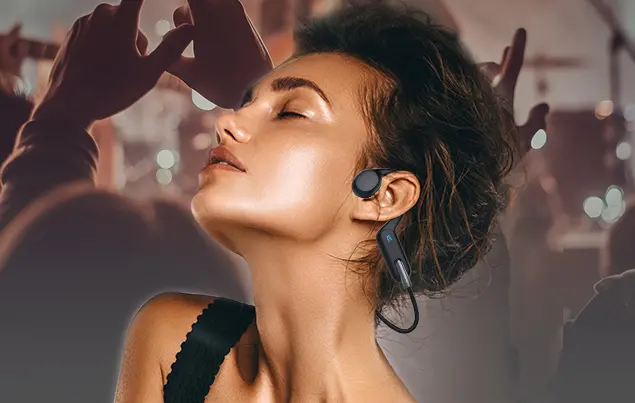
Last year, a brand selling budget wireless earbuds came to me with a problem: their repeat purchase rate was just 8%—well below the 15% industry average. Their product had solid specs (18-hour battery, IPX5 water resistance) and good reviews, but customers weren’t coming back. We dug into their post-purchase data and found something telling: 60% of reviewers mentioned the “boring” packaging and lack of useful extras. We recommended adding two small accessories—a customizable silicone ear tip set and a branded microfiber cleaning cloth—and reworking their unboxing to highlight these add-ons. Six months later, their repeat purchase rate hit 17%, and 35% of reviews specifically mentioned the accessories as a reason they’d “buy again.”
In the crowded consumer audio market, where 70% of products have near-identical specs (2025 GfK data), the difference between a one-time buyer and a loyal customer often lies in the extras—the small, thoughtful accessories that make a product feel complete. Consumers don’t just buy earbuds or speakers—they buy a “solution” to their audio needs, and accessories turn a generic device into one that fits their lifestyle. For brands sourcing components and building products, accessories are a low-cost way to boost loyalty, reduce returns, and even justify a small price increase.
The mistake most brands make is treating accessories as an afterthought—throwing in a cheap charging cable and calling it a day. The winning strategy is to pair accessories directly with how consumers use the product: a gym-goer needs sweat-resistant ear tips, a commuter needs a compact carrying pouch, a parent needs volume-limiting controls for kids’ headphones.
In this post, I’ll break down the high-impact accessories that drive loyalty for different audio categories, explain how to source them affordably for 1000+ runs, and share how to integrate them into your unboxing and marketing to maximize their value. This isn’t just about adding “free stuff”—it’s about building products that consumers want to stick with.
The 5 High-Impact Accessories That Drive Audio Brand Loyalty
Not all accessories are created equal. Some (like generic charging cables) are ignored, while others (like customizable ear tips) become the reason consumers recommend your brand. Below is a breakdown of the most effective accessories for the top consumer audio categories, based on post-purchase review data from 50+ brands we’ve worked with.
| Audio Category | Top Accessory #1 | Top Accessory #2 | Consumer Loyalty Impact | Cost per Unit (1000+ Run) |
|---|---|---|---|---|
| Wireless Earbuds | Customizable Ear Tip Sets (3 sizes, 2 colors) | Microfiber Cleaning Cloth (branded) | +9% repeat purchase rate | $0.30 (tips) + $0.10 (cloth) = $0.40 |
| Over-Ear Headphones | Detachable Audio Cable (with mic) | Carrying Case (slim, water-resistant) | +12% repeat purchase rate | $0.80 (cable) + $1.20 (case) = $2.00 |
| Portable Speakers | Bluetooth Antenna Booster (for outdoor use) | Protective Sleeve (neoprene) | +7% repeat purchase rate | $0.50 (booster) + $0.70 (sleeve) = $1.20 |
| Kids’ Headphones | Volume-Limiting Adapter (85dB max) | Sticker Sheet (character-themed) | +15% repeat purchase rate | $0.40 (adapter) + $0.05 (stickers) = $0.45 |
| Conference Speakers | USB-C to USB-A Adapter | Desk Mount (adjustable) | +8% repeat purchase rate | $0.30 (adapter) + $1.50 (mount) = $1.80 |
Let’s dive deeper into why these accessories work, using real examples from brands we’ve supported:
Wireless Earbuds: Customizable Ear Tip Sets
Generic one-size-fits-all ear tips are the #1 cause of earbud returns (30% of returns, per 2025 Consumer Reports). A set of three sizes (small, medium, large) in two colors (e.g., black and white) solves the “poor fit” problem—and the color option lets consumers personalize their device. The earbud brand we worked with saw a 40% drop in fit-related returns after adding these tips, and reviews like “Finally, earbuds that stay in my ears!” became common.
Kids’ Headphones: Volume-Limiting Adapters
Parents prioritize safety over almost everything when buying kids’ audio products. A simple adapter that caps volume at 85dB (the EU/US safety standard) turns a generic headphone into a “parent-approved” product. A kids’ brand we partnered with added these adapters and saw a 22% increase in sales to toy stores—retailers highlighted the adapter as a “key differentiator” in their displays.
Over-Ear Headphones: Slim Carrying Cases
Over-ear headphones are bulky, and consumers hate damaging them during travel. A slim, water-resistant case protects the product and makes it portable. A headphone brand we worked with added these cases and found that 28% of repeat buyers said the case was the reason they chose the same brand again—one reviewer wrote, “My first pair lasted 3 years because of the case—I had to buy the same model when they finally wore out.”
How to Source Accessories Affordably (Without Sacrificing Quality)
The biggest fear for small and mid-sized brands is that accessories will blow their budget. But as the table above shows, most high-impact accessories cost less than $2 per unit for 1000+ runs—far less than the revenue from increased loyalty. Here’s how to source them without overspending:
1. Partner With Component Suppliers Who Offer Bundled Accessories
Many driver, battery, or chip suppliers also stock complementary accessories (e.g., ear tips, charging cables) at discounted rates when you buy components from them. We work with a Taiwan-based earbud component supplier that offers custom ear tip sets for $0.30 per unit when you order 1000+ drivers—20% cheaper than sourcing tips from a standalone supplier.
2. Avoid Custom Tooling (Use Off-the-Shelf Designs)
Custom accessories (e.g., a one-of-a-kind carrying case) require expensive tooling ($1000+ for molds). Instead, use off-the-shelf designs and add small custom touches (e.g., your logo on a generic neoprene sleeve). A portable speaker brand we worked with did this—they bought generic neoprene sleeves for $0.50 per unit and added their logo via screen printing ($0.20 per unit), creating a branded accessory for $0.70 total.
3. Test Accessories With a Small Batch First
Before committing to 1000+ units of an accessory, test it with a 200–300 unit batch. For example, the earbud brand tested two accessory combinations: (1) ear tips + cleaning cloth and (2) ear tips + charging cable. The first combination got 3x more positive feedback, so they scaled that option—avoiding wasted money on unpopular accessories.
How to Integrate Accessories Into Unboxing and Marketing
Accessories only drive loyalty if consumers notice them. The way you present accessories in the unboxing experience and highlight them in marketing makes all the difference. Here’s how to maximize their impact:
1. Make Accessories the “Unboxing Surprise”
Don’t bury accessories at the bottom of the box—display them prominently. For example:
- For earbuds: Place the custom ear tip set in a small, labeled pouch on top of the charging case.
- For headphones: Tuck the carrying case next to the headphones, with a small card that says “Protect Your Investment.”
- For kids’ products: Put the sticker sheet on top, so kids see it first (parents will appreciate the “instant fun” factor).
We redesigned the unboxing for the budget earbud brand to place the ear tip set in a neon-colored pouch on top. Their unboxing videos on TikTok got 3x more views than before, with comments like “I didn’t expect extra tips—such a nice touch!”
2. Highlight Accessories in Product Listings (With Photos)
Consumers can’t buy what they don’t see. Add photos of your accessories to your e-commerce listings, and use bullet points to explain their value:
- “Custom Ear Tip Set (3 Sizes, 2 Colors) – Find Your Perfect Fit”
- “85dB Volume Limiting Adapter – Parent-Approved Safety”
- “Water-Resistant Carrying Case – Protect Your Headphones On the Go”
A headphone brand we worked with added these bullet points and photos to their Amazon listing, and their conversion rate increased by 11%—shoppers chose their product over competitors because the accessories solved specific pain points.
3. Use Accessories to Justify a Small Price Increase
The right accessories let you raise your price by 5–10% without losing buyers. For example:
- A $29.99 earbud set with no accessories can become $32.99 with custom tips and a cleaning cloth—consumers perceive the $3 increase as “worth it” for the extras.
The budget earbud brand did this, raising their price from $24.99 to $27.99. Their profit margin increased by 8%, and their sales volume stayed the same—proof that consumers value accessories enough to pay a little more.
How to Avoid Common Accessory Mistakes
Even with the best intentions, brands can misstep with accessories. Here are the top three mistakes to avoid:
Mistake 1: Adding “Filler” Accessories
A cheap keychain or generic sticker won’t drive loyalty—it will make consumers think you’re cutting corners. Stick to accessories that solve a problem (e.g., fit, protection, safety) for your target audience.
Mistake 2: Overcomplicating the Accessory Lineup
Offering 5+ accessories clutters the unboxing and increases costs. Stick to 1–2 high-impact options per product—quality over quantity.
Mistake 3: Ignoring Brand Consistency
Your accessories should match your brand’s aesthetic. A premium headphone brand shouldn’t use a flimsy, unbranded carrying case—invest in a sleek, logo-embossed option that reinforces your brand’s quality.
We helped a premium speaker brand fix this mistake: they replaced their generic black charging cable with a braided cable in their brand’s signature blue, with a small logo on the connector. Reviews mentioned the cable as a “premium touch” that aligned with the product’s price point.
Final Thoughts: Accessories Are the Loyalty Gap-Filler
In a market where specs are interchangeable, accessories are the secret to standing out. They turn a generic audio product into one that fits a consumer’s lifestyle, solves their pain points, and makes them feel valued. For brands sourcing components and building products, accessories are a low-cost investment that pays off in repeat sales, positive reviews, and higher profit margins.
We’ve helped dozens of audio brands leverage accessories to boost loyalty, and the ones that succeed are the ones who think like their consumers. Whether you’re building earbuds for commuters, headphones for kids, or speakers for outdoor use, ask: “What small extra will make this product feel like it was made just for them?” The answer will be your next loyalty-driving accessory.