Audio Product Packaging for B2B Distribution: 6 Design Rules to Reduce Damage & Speed Up Retailing
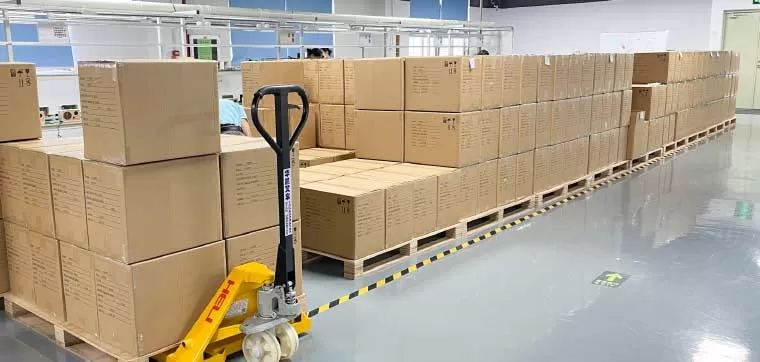
Audio Product Packaging for B2B Distribution: 6 Design Rules to Reduce Damage & Speed Up Retailing
As a B2B audio partner—whether you’re distributing Bluetooth speakers to retail chains or supplying TWS earbuds to online sellers—you know packaging is more than just a box. It’s the first line of defense against shipping damage (which costs B2B audio sellers $1.2 billion annually) and the key to getting your products on retail shelves fast. But here’s the problem: Most audio packaging is designed for consumers, not B2B distribution—it’s flimsy, hard to stack, and doesn’t include the info retailers need to sell your product.
Imagine this: You ship 100 TWS earbuds to a European retail chain. When they arrive, 15% have damaged charging cases because the packaging didn’t withstand international shipping. The retailer spends 2 hours per box sorting through products (because the packaging doesn’t have clear SKU labels), and they push back your launch date by a week. You lose $2,250 in damaged inventory and risk losing the retailer’s business—all because of bad packaging.
With 13 years of shipping audio products to B2B distributors and retailers worldwide (via land, sea, and air), we’ve learned what makes packaging work for B2B. These 6 design rules ensure your audio products arrive undamaged, speed up retailing, and make your B2B clients (distributors, retailers) want to reorder—a win-win for everyone. We’ll break down each rule, explain why it matters for B2B, and show how to implement it.
Why B2B Audio Packaging Is Different From Consumer Packaging
Before diving into rules, let’s clarify the key differences between B2B and consumer packaging. Consumer packaging is all about “shelf appeal”—bright colors, bold logos, and minimal protection. B2B packaging is about protection, efficiency, and clarity—it needs to survive rough shipping, make retailing easy, and communicate critical info to distributors.
Here’s how they stack up:
| Aspect | Consumer Audio Packaging | B2B Audio Packaging |
|---|---|---|
| Primary Goal | Attract shoppers to buy | Protect products + speed up retailing |
| Protection Level | Minimal (e.g., thin cardboard, no padding) | Heavy-duty (e.g., double-walled cardboard, foam inserts) |
| Labeling | Focus on brand (logo, product name) | Focus on logistics (SKU, quantity, compliance) |
| Stackability | Poor (odd shapes, thin material) | Excellent (square/rectangular, reinforced corners) |
| Retailer-Friendly Features | None (no easy-opening, no display info) | Easy-opening tabs, pre-printed display labels |
A client once used consumer packaging for a B2B shipment of Bluetooth speakers. 20% of the speakers arrived with dented frames, and the retailer had to manually apply SKU labels to each box (taking 3 hours). After switching to B2B-focused packaging, damage dropped to 1%, and retail prep time was cut to 30 minutes.
Rule 1: Heavy-Duty Materials to Survive B2B Shipping
B2B shipping is rough. Your audio products will be stacked under 50+ pound boxes, tossed onto pallets, and jostled during sea or air travel. Flimsy consumer packaging (thin cardboard, no padding) will fail—you need materials that can handle the abuse.
Materials to Use (and Avoid):
- Outer Box: Use double-walled corrugated cardboard (not single-walled). Double-walled cardboard has two layers of fluting (the wavy material inside) and can withstand 3x more pressure than single-walled. Look for a burst strength of 200+ psi (pounds per square inch)—this ensures the box won’t split open under heavy stacking.
- Inner Padding: Use custom foam inserts (not bubble wrap) for fragile parts like speaker drivers or TWS earbud charging cases. Foam is molded to fit your product exactly—no shifting during shipping. For larger products (e.g., bookshelf speakers), add corner protectors (made of plastic or cardboard) to prevent dents.
- Avoid Plastic Windows: Consumer packaging often has plastic windows to show the product—but these crack easily during shipping and add weight. B2B packaging should be solid cardboard with product photos printed on the outside (if needed).
We tested this with a client’s TWS earbuds: Their original single-walled box with bubble wrap had a 12% damage rate. We switched to double-walled cardboard and custom foam inserts—damage dropped to 0.5%. A distributor in Brazil told us the new packaging “held up better than any other audio product we ship.”
Rule 2: Clear, Standardized Labeling for Logistics
B2B clients (distributors, retailers) handle hundreds of boxes daily—they don’t have time to guess what’s inside yours. Your packaging needs clear, standardized labels that communicate key info at a glance: what’s in the box, how many units there are, and where it needs to go.
5 Must-Have Labels for B2B Packaging:
- SKU/Product Code: Print this in large, bold font (24pt+) on the top and side of the box. Retailers use SKUs to track inventory and ring up sales—missing or small SKUs cause delays.
- Quantity: Clearly mark how many units are in the box (e.g., “10 Units – TWS Earbuds Model X1”). Distributors use this to count inventory quickly.
- Compliance Marks: Include CE, FCC, or RCM marks (depending on the market) and a “Fragile” label (if applicable). Customs and retailers need to see compliance marks upfront.
- Handling Instructions: Add simple icons (not just text) for “Do Not Stack,” “Keep Dry,” or “This Side Up.” Icons are universal—language barriers won’t slow down handling.
- Contact Info: Print your company name, phone number, and email on the box. If there’s an issue (e.g., damaged goods), the retailer can contact you quickly.
We helped a client redesign their labels to include all 5 elements. A US retailer told us “we used to spend 10 minutes per box checking SKUs—now it takes 30 seconds.” This saved them 15 hours per month in inventory prep time.
Rule 3: Stackable, Space-Efficient Shapes
B2B clients store hundreds of boxes in warehouses—space is at a premium. A box that’s odd-shaped (e.g., triangular, too tall) won’t stack well, leading to wasted space and unstable piles (which cause damage). Your packaging should be square or rectangular with flat tops and bottoms—this lets clients stack boxes 5–6 high without risk.
How to Design for Stackability:
- Aspect Ratio: Aim for a height-to-width ratio of 1:2 or 1:3 (e.g., 12cm tall x 24cm wide). This is the most stable ratio for stacking.
- Reinforced Corners: Add extra cardboard or plastic corners to the top and bottom of the box. This prevents corners from crushing when stacked.
- Weight Distribution: Ensure the product’s weight is evenly distributed in the box. A box that’s heavy on one side will tip when stacked—use foam inserts to balance weight.
Our “StackSmart” packaging for Bluetooth speakers uses a 1:2 aspect ratio and reinforced corners. A distributor in Germany told us they can stack 6 boxes high (vs. 3 with the client’s old packaging)—doubling their warehouse space for our client’s products.
Rule 4: Retailer-Friendly Opening & Prep Features
Retailers hate spending time opening and preparing boxes for sale. A box that requires scissors, tape, or tools to open will frustrate them—and delay your product’s launch. Your packaging should have easy-opening features that let retailers get to the product in 30 seconds or less.
3 Retailer-Friendly Features to Add:
- Tear Tabs: Add a pre-cut tear tab (like on cereal boxes) to the top of the box. Retailers can pull the tab to open the box—no scissors needed.
- Pre-Printed Display Info: Print product details (e.g., “Bluetooth 5.3 – 12hr Battery”) on the inside of the box lid. Retailers can use this as a quick reference when setting up displays—no need to dig for a separate manual.
- Divided Inserts: For multi-unit boxes (e.g., 10 TWS earbuds), use divided foam or cardboard inserts that separate each unit. Retailers can pull out one unit at a time—no sorting through a jumble of products.
A client added tear tabs and divided inserts to their multi-unit boxes. A UK retailer told us “we used to spend 5 minutes per box opening and sorting—now it’s 1 minute.” This helped them launch the client’s product 2 days early.
Rule 5: Eco-Friendly Materials for European & North American Markets
B2B clients in Europe and North America are under pressure to reduce waste—they’ll avoid packaging that’s not eco-friendly. Using sustainable materials doesn’t just help the planet—it makes your product more attractive to green-focused retailers (a fast-growing segment of B2B audio buyers).
Eco-Friendly Swaps to Make:
- Recycled Cardboard: Use 80%+ recycled cardboard for outer boxes. Print this on the box (e.g., “Made with 90% Recycled Materials”)—retailers love to highlight this to their customers.
- Biodegradable Foam: Replace traditional plastic foam with biodegradable foam (made from cornstarch). It’s just as protective but breaks down in landfills.
- Minimal Tape: Use self-sealing boxes (with adhesive strips) instead of plastic tape. Tape is hard to recycle—self-sealing boxes reduce waste.
We switched a client’s packaging to 90% recycled cardboard and biodegradable foam. Their sales in Sweden (one of the world’s most eco-conscious markets) increased by 30%—retailers told them the eco-friendly packaging was a “key reason” they chose to stock the product.
Rule 6: Brand Consistency (Without Sacrificing Functionality)
B2B packaging doesn’t have to be boring—you can still showcase your brand, but not at the expense of functionality. Subtle brand elements help retailers and end-users recognize your product—but avoid bright colors or large logos that distract from key info (like SKUs or handling instructions).
How to Add Branding Without Sacrificing Function:
- Logo Placement: Print your logo in a small, subtle spot (e.g., top right corner of the box) in one color (not full color). This keeps the box clean and focused on logistics.
- Custom Foam Inserts: Add a small embossed logo to the foam insert inside the box. When retailers open the box, they’ll see your logo—but it doesn’t affect stacking or protection.
- Consistent Design: Use the same color scheme and font across all your B2B packaging. This helps retailers identify your products quickly (e.g., “All blue boxes are X brand’s speakers”).
A client added a small embossed logo to their foam inserts. A Canadian retailer told us “the logo is a nice touch—it makes the product feel premium, but it doesn’t get in the way of our work.”
How We Help You Design B2B-Friendly Audio Packaging
Designing B2B packaging takes time—time you could spend selling to clients. Our team has 13 years of experience creating packaging for audio products shipped worldwide. Here’s how we help:
- Shipping Assessment: We review your shipping routes (e.g., sea to Europe, air to the US) and recommend materials that handle the specific challenges of each (e.g., moisture-resistant cardboard for sea shipping).
- Prototype Testing: We build 5–10 packaging prototypes and test them for damage resistance (dropping, stacking) and retail efficiency (opening time, labeling clarity).
- Customization: We add your branding, SKUs, and compliance marks—ensuring the packaging is both functional and on-brand.
- Market Alignment: We tweak the design for your target markets (e.g., eco-friendly materials for Europe, extra durability for Latin American roads).
A recent client told us our packaging design “reduced their damage rate from 15% to 1%” and “made their retail clients happier than ever.” This led to a 40% increase in reorders from that retailer.
Final Thought: B2B Packaging Is an Investment in Your Relationships
Bad packaging costs you money (damaged inventory) and clients (frustrated retailers). Good B2B packaging saves you time, reduces returns, and makes your clients want to work with you again. It’s not just a box—it’s an investment in your B2B relationships.
If you’re tired of dealing with shipping damage, retail delays, or unhappy B2B clients, reach out to our team. We’ll audit your current packaging, identify pain points, and design a solution that protects your audio products, speeds up retailing, and helps you grow your B2B business.