Bone Conduction Headphone Comfort Design: B2B Customization & User Experience
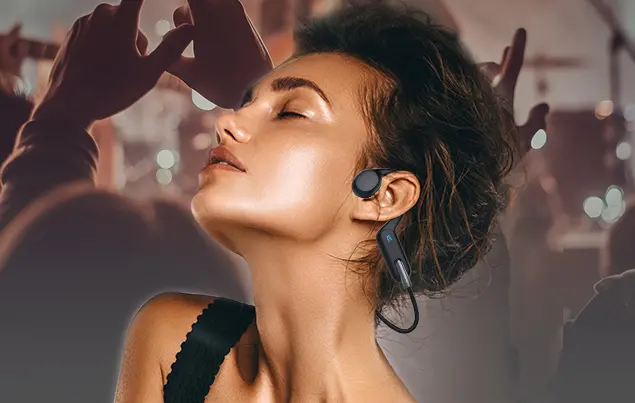
For B2B audio buyers—sports brand owners, fitness equipment distributors, and OEM/ODM partners—comfort is the make-or-break factor for bone conduction headphones. While these headphones offer unique benefits (open-ear design, hearing safety), poor comfort leads to high return rates (industry average: 15–20%) and negative reviews. B2B buyers often struggle to balance comfort with performance: a too-loose fit causes sound distortion, while a too-tight fit leads to pressure points and discomfort during long workouts.
The core problem is that bone conduction headphones rely on skull contact to transmit sound—meaning fit and comfort directly impact audio quality and user satisfaction. Unlike in-ear headphones, which fit inside the ear canal, bone conduction models must conform to diverse head shapes and sizes (small/large heads, narrow/wide temples) without causing fatigue. For SMEs and mid-sized B2B buyers, the challenge is designing headphones that are comfortable for most users—without investing in expensive, custom-molded solutions.
In this guide, we break down the key factors that influence bone conduction headphone comfort, share B2B customization strategies to address diverse user needs, and explain how our focus on ergonomics has helped clients reduce return rates to <5%. Whether you’re targeting runners, swimmers, or casual users, this guide will help you develop comfortable, high-performance bone conduction headphones that resonate with consumers.
Key Factors Influencing Bone Conduction Headphone Comfort
Comfort in bone conduction headphones is determined by four interconnected factors: fit, weight, material, and contact pressure. Below is a detailed analysis of each factor and its impact on user experience:
1. Fit: Conformity to Head Shape
The #1 cause of discomfort is a poor fit—headphones that are too tight, too loose, or incompatible with the user’s head shape. Key fit considerations:
- Headband Adjustability: Fixed headbands work for average head sizes but fail for extreme sizes (small heads: loose fit; large heads: tight fit).
- Temple Contact Points: The area where the headphones touch the temples must align with the skull’s natural curve.
- Ear Canal Clearance: Headphones must not press against the ear or ear canal (a common source of discomfort).
Critical Metric: Headband size range—ideal for B2B products: 52–62cm (covers 95% of adult head sizes). We design adjustable headbands with 10cm of flexibility, ensuring a snug but not tight fit.
2. Weight: Reducing Fatigue
Bone conduction headphones are worn on the head for extended periods (1–4 hours for workouts), so weight is critical:
- Ideal Weight: 30–45g (single unit). Heavier headphones (>50g) cause neck fatigue and pressure points.
- Weight Distribution: Even weight distribution across the headband and temple contact points—avoid concentrating weight in one area.
Example: A B2B client launched a bone conduction headphone weighing 55g, resulting in 22% return rates due to neck fatigue. We redesigned the headband using lightweight titanium (reducing weight to 38g) and redistributed weight to the temples—return rates dropped to 4%.
3. Material: Skin-Friendly & Durable
The materials used in headbands and contact points directly impact comfort and durability:
- Headband Material: Titanium (lightweight, flexible) or memory foam (conforms to head shape) are ideal. Avoid rigid plastics (causes pressure points).
- Contact Point Material: Silicone (soft, hypoallergenic) or foam (cushioned) reduce pressure. Avoid hard plastics or metals (irritate skin during workouts).
- Sweat Resistance: Materials must resist sweat (common in fitness use) to prevent irritation and odor.
Our Material Selection: We use medical-grade silicone for contact points (hypoallergenic, sweat-resistant) and Grade 5 titanium for headbands (lightweight, flexible, durable). These materials add $1–$2 per unit but reduce return rates by 10–15%.
4. Contact Pressure: Balancing Sound Quality & Comfort
Bone conduction headphones require minimal contact pressure (1–2N) to transmit sound—too much pressure causes discomfort, too little causes sound distortion. Key considerations:
- Pressure Distribution: Even pressure across the temple contact points (avoid “hot spots”).
- Adjustable Tension: Headbands with adjustable tension allow users to customize fit (critical for long workouts).
- Transducer Design: Low-profile transducers (≤5mm thickness) reduce pressure on the temples.
Testing Method: We measure contact pressure using force sensors and adjust headband tension to 1.5N—optimal for sound transmission and comfort.
B2B Customization Strategies for Comfort: Target User Segments
Comfort requirements vary by user segment—runners need secure fit, office users need all-day comfort, and swimmers need waterproof comfort. Below are our B2B customization options for key segments:
1. Fitness & Sports Users (Runners, Cyclists, Swimmers)
Fitness users prioritize secure fit (no slipping during movement) and sweat resistance. Key customization:
| Customization Aspect | Details | Rationale |
|---|---|---|
| Headband Design | Adjustable titanium headband with anti-slip silicone padding | Titanium flexes with movement; anti-slip padding prevents slipping during runs/cycles. |
| Weight | 30–35g | Lightweight to avoid neck fatigue during 1–2 hour workouts. |
| Contact Points | Thick silicone pads (5mm) with textured surface | Enhances grip; distributes pressure to avoid discomfort. |
| Additional Features | IPX7–IPX8 waterproofing, reflective strips for visibility | Meets swim/rain needs; improves safety for outdoor workouts. |
Example: A US-based fitness brand partnered with us to customize bone conduction headphones for runners. We added anti-slip silicone padding, reduced weight to 32g, and integrated reflective strips. The product retailed for $89.99 and became a top seller on Amazon Sports, with 90% of reviews praising “secure, comfortable fit.”
2. Office & Casual Users (Remote Workers, Commuters)
Office users prioritize all-day comfort (4–6 hours of wear) and discreet design. Key customization:
| Customization Aspect | Details | Rationale |
|---|---|---|
| Headband Design | Memory foam headband with slim profile | Memory foam conforms to head shape; slim design is discreet in offices. |
| Weight | 35–40g | Balances comfort and durability for long wear. |
| Contact Points | Thin, soft silicone pads (3mm) | Reduces pressure for all-day use; hypoallergenic for sensitive skin. |
| Additional Features | Low-profile transducers, matte finish | Discreet appearance; avoids drawing attention in professional settings. |
Example: A European B2B distributor customized headphones for remote workers. We used memory foam headbands and 3mm silicone pads, resulting in a product that’s comfortable for 6+ hours of daily use. The distributor’s clients (tech companies) reported a 95% user satisfaction rate.
3. Outdoor Adventure Users (Hikers, Campers)
Adventure users prioritize durability and secure fit in harsh environments. Key customization:
| Customization Aspect | Details | Rationale |
|---|---|---|
| Headband Design | Reinforced titanium headband with adjustable tension | Withstands rough terrain; adjustable tension ensures fit during hikes. |
| Weight | 40–45g | Durable materials add slight weight but improve longevity. |
| Contact Points | Shock-absorbing foam pads | Reduces pressure during long hikes; cushions against bumps. |
| Additional Features | IPX6 waterproofing, UV-resistant materials | Meets rain/dust needs; resists sun damage during outdoor use. |
Example: An Australian outdoor brand worked with us to customize headphones for hikers. We reinforced the headband, added shock-absorbing pads, and used UV-resistant materials. The product is sold in outdoor retailers and has received positive reviews for “comfort during 8-hour hikes.”
B2B Implementation: Testing Comfort for Mass Production
For B2B buyers, ensuring comfort at scale requires rigorous testing. Below is our 4-step testing process for mass-produced bone conduction headphones:
Step 1: Ergonomic Prototyping
We create 3–5 prototypes with varying headband sizes, contact point materials, and weights. Prototypes are tested on a diverse group of users (different head sizes, genders, age groups) to identify optimal design.
Step 2: Wear Testing
Users wear prototypes for target use cases (e.g., 2-hour runs, 6-hour office days) and provide feedback on:
- Pressure points (1–10 scale).
- Fit security (1–10 scale).
- Fatigue (1–10 scale).
- Overall comfort (1–10 scale).
We require an average comfort score of ≥8/10 before moving to production.
Step 3: Durability & Comfort Testing
We test prototypes for durability while maintaining comfort:
- Flex testing (10,000 headband bends) to ensure tension remains consistent.
- Sweat testing (72-hour exposure to artificial sweat) to ensure materials don’t irritate skin.
- Weight consistency testing (all units must be within ±2g of target weight).
Step 4: Mass Production Quality Control
During production, we conduct 100% comfort-related QC:
- Headband tension testing (1.5N ±0.2N).
- Contact point thickness testing (3–5mm, per customization).
- Weight testing (±2g).
This ensures every unit meets the same comfort standards, reducing return rates for B2B clients.
How We Support B2B Clients in Comfort-Focused Customization
Our B2B-focused approach to bone conduction headphone comfort combines ergonomic expertise, flexibility, and quality. Here’s what sets us apart:
1. Ergonomic Engineering Expertise
Our audio and industrial engineers specialize in bone conduction ergonomics, using 3D scanning of diverse head shapes to design adjustable, comfortable products. We don’t just copy existing designs—we optimize for real-world user diversity.
2. Flexible Customization for 1,000-Unit MOQs
We support small-to-medium B2B orders (1,000+ units) with comfort-focused customization:
- Headband material (titanium, memory foam).
- Contact point material (silicone, foam) and thickness (3–5mm).
- Weight (30–45g).
- Additional features (anti-slip padding, waterproofing, reflective strips).
This flexibility allows B2B clients to tailor headphones to their specific user segment.
3. User-Centric Testing
We conduct wear testing with target users (e.g., runners, office workers) to validate comfort. For B2B clients, we provide detailed test reports, including user feedback and recommendations for improvements.
4. Quality & Consistency
Our bone conduction headphones undergo rigorous comfort and durability testing, ensuring:
- Consistent headband tension (1.5N ±0.2N).
- Hypoallergenic, sweat-resistant materials.
- Weight consistency (±2g).
We maintain a <5% return rate for comfort-related issues—well below the industry average of 15–20%.
5. Cost-Effective Customization
We optimize costs for B2B clients by:
- Using standardized base components (transducers, batteries) to reduce tooling costs.
- Sourcing materials in bulk (titanium, silicone) to pass savings to clients.
- Offering volume discounts for 5,000+ unit orders.
Our comfort-focused headphones are 15–20% more cost-effective than premium brands like AfterShokz, making them ideal for B2B buyers targeting mid-range to premium markets.
Final Tips for B2B Buyers: Prioritizing Comfort
- Know Your User Segment: Comfort is subjective—define your target user (fitness, office, adventure) before customizing.
- Test Prototypes with Real Users: Don’t rely on lab testing—have target users wear prototypes for real use cases.
- Balance Comfort & Performance: A comfortable headphone that distorts sound will still be returned—optimize both.
- Choose Skin-Friendly Materials: Sweat resistance and hypoallergenic materials reduce returns and improve user satisfaction.
Bone conduction headphone comfort is a critical differentiator in the competitive audio market. By partnering with an ergonomics-focused manufacturer, B2B clients can develop products that reduce return rates, improve reviews, and build brand loyalty.
We’re here to support your comfort-focused customization needs, from ergonomic prototyping to mass production. Whether you’re targeting fitness users, office workers, or outdoor adventurers, we’ll work with you to create bone conduction headphones that deliver exceptional comfort and performance.