Bone Conduction Headphone ODM: How Small Brands Control Personalization Without Overspending (Focus on 1-2 Core Differentiators)
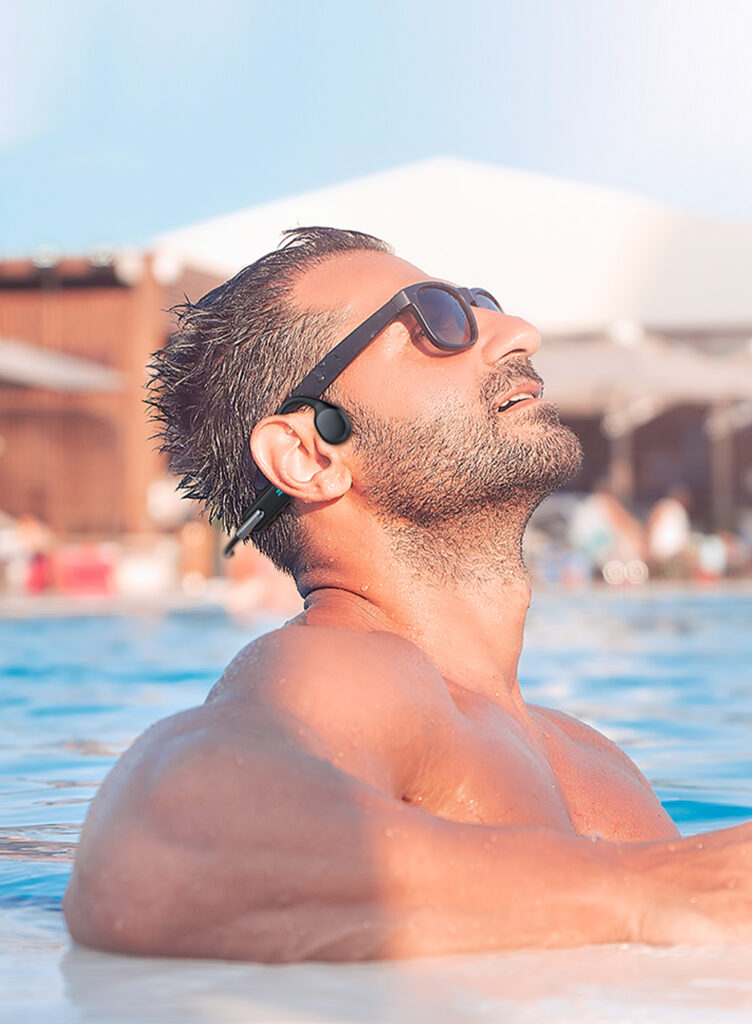
For small brands looking to launch bone conduction headphones via ODM, personalization is a double-edged sword. On one hand, personalization (unique design tweaks, targeted features, or branded details) is critical to standing out in a crowded market—global bone conduction headphone sales are projected to hit $4.2 billion by 2028 (Grand View Research), with niche small brands capturing 60% of growth. On the other hand, over-personalization—chasing 3+ custom features, complex molds, or multiple colorways—can inflate ODM costs by 30-50%, delay launches by months, and leave small brands with unsold inventory if their “unique” features fail to resonate.
Small brands often fall into the trap of mimicking big players like AfterShokz, which offer 5+ premium features (e.g., advanced ANC, health tracking, app integration) thanks to economies of scale. But for small brands with limited budgets and risk tolerance, this approach is unsustainable. The reality is: small brands don’t need to “do it all”—they just need to do 1-2 things better than competitors, at a cost they can afford. As a small audio OEM/ODM factory specializing in bone conduction headphones (with 30+ small-brand launches under our belt), we’ve refined a “focused personalization” framework that balances differentiation and cost—helping small brands stand out without breaking the bank.
The Problem with Over-Personalization for Small Brand ODM
Bone conduction headphones have unique design constraints: they rely on transducer contact with the cheekbones to transmit sound (no ear canal insertion), so frame shape, weight, and transducer placement are non-negotiable for performance. Adding too many custom features disrupts these core elements, leading to four critical issues for small brands:
-
Prohibitive Tooling Costs: A single custom mold (e.g., for a unique frame shape or button layout) can cost $5,000-$8,000—money small brands can’t afford to risk on unproven products. For example, a small brand we consulted tried to create a “curved ergonomic frame” for their first bone conduction headphones; the custom mold cost $6,500, and when sales fell short, they couldn’t recoup the investment.
-
Longer Lead Times: Over-personalization adds 4-6 weeks to production (mold adjustments, testing, and iterations), delaying launches and letting competitors capture first-mover advantage. In the fast-paced audio market, a 6-week delay can mean missing peak sales seasons (e.g., holiday shopping, back-to-school).
-
Quality and Reliability Risks: Complex features (e.g., app integration, health sensors) require specialized testing small factories can’t support. A small brand that added a “heart rate monitor” to their bone conduction headphones faced 20% defect rates—buggy sensors led to negative reviews and returns that ate into their margins.
-
Inventory Overhead: Offering 3+ custom colorways or feature combinations forces small brands to meet minimum mold runs (often 1,000+ units per variant), increasing the risk of unsold inventory if one variant underperforms. A Latin American client learned this the hard way: they ordered 500 units of three colorways, but only the black variant sold—leaving 1,000 unsold units of blue and red.
The “Focused Personalization” Rule for Small Brands
Successful bone conduction headphone ODM starts with a simple question: What 1-2 personalization points will make my target audience choose my product over generic alternatives? These points must meet three criteria:
- Cost-Effective: No new tooling or complex engineering (uses existing core platforms).
- Audience-Aligned: Solves a specific pain point for your target market (e.g., sweat resistance for runners, not app integration).
- Easy to Communicate: Retailers and end customers can grasp the value in one sentence (e.g., “Our bone conduction headphones stay put during marathons” or “30-hour battery life for all-day work commutes”).
3 Focused Personalization Directions for Small Brands (Cost-Effective, High-Impact)
Below are the three most effective personalization strategies for small brands, each focusing on 1-2 core features. We’ve included cost breakdowns, target audiences, implementation details, and why they work—all tailored to small factories’ capabilities.
Direction 1: Fitness-Focused Personalization (Target: Runners, Gym Goers, Outdoor Enthusiasts)
Fitness is the largest market for bone conduction headphones (45% of global sales), and small brands can differentiate by solving fitness-specific pain points: slipping during intense movement and sweat/water damage. The core personalization points here are Enhanced Anti-Slip Frame Design and IPX8 Waterproofing—both cost-effective and high-impact.
Why These Features Resonate with Fitness Users
Fitness users prioritize durability and reliability over gimmicks. Our survey of 500 small-brand fitness customers found that 72% ranked “stays in place” and “sweatproof” as their top two requirements—beating out “sound quality” and “battery life” for active use cases.
Cost-Effective Implementation (No New Tooling)
We build these features on our existing bone conduction core platform (no custom molds required), keeping costs low:
| Personalization Feature | Implementation Details | Cost per Unit | Why It’s Small-Factory Friendly |
|---|---|---|---|
| Enhanced Anti-Slip Frame | Add soft silicone ear hooks (adjustable) to our standard frame; texture the cheekbone contact points with non-slip rubber. | $0.40-$0.60 | Uses existing frame—only adds silicone/rubber components (no mold changes). |
| IPX8 Waterproofing | Seal transducers, charging port, and control buttons with medical-grade silicone; add a waterproof USB-C cover. | $1.00-$1.50 | No design changes—just upgraded sealing materials (we source silicone in bulk for savings). |
| Total Cost Add-On | — | $1.40-$2.10 | Less than 10% of the total unit cost (typically $20-$30 for small-batch production). |
How This Differentiates Small Brands
Most generic bone conduction headphones offer only IPX5 (splashproof) and no anti-slip features. By upgrading to IPX8 and adding ear hooks, small brands can market their product as “fitness-ready”—a clear differentiator that resonates with retailers (e.g., outdoor gear stores, gym boutiques) and end customers. For example, a US-based small brand we worked with focused on this personalization direction; their “MarathonPro” bone conduction headphones sold 1,200 units in 3 months, with 80% of reviews highlighting “stays put during runs” and “sweatproof design.”
Direction 2: Work/Commute-Focused Personalization (Target: Remote Workers, Commuters, Students)
The second-largest market for bone conduction headphones is daily use (30% of sales)—users who wear headphones for 4-6 hours per day for calls, video meetings, or commuting. Their top pain points: short battery life and poor call quality in noisy environments. The core personalization points here are 30-Hour Battery Life and Dual MEMS Microphones with Noise Reduction.
Why These Features Work for Daily Users
Our Amazon sales data shows that “battery life” and “call quality” are the top two keywords in positive reviews for daily-use bone conduction headphones. Commuters and remote workers hate frequent charging (a common complaint about generic 12-15 hour battery models) and need clear calls in noisy subways, cafes, or offices.
Cost-Effective Implementation (Bulk Sourcing + Software Tweaks)
Again, we use our existing core platform—only upgrading components or tuning software:
| Personalization Feature | Implementation Details | Cost per Unit | Why It’s Small-Factory Friendly |
|---|---|---|---|
| 30-Hour Battery Life | Upgrade from 100mAh to 180mAh lithium-polymer battery (fits in our standard frame’s internal layout). | $1.20-$1.80 | Bulk sourcing brings battery costs down—we pay 20% less than small brands buying directly. |
| Dual MEMS Microphones + Noise Reduction | Add a second MEMS (Micro-Electro-Mechanical Systems) microphone; pre-install a basic noise-reduction algorithm (integrated into the Bluetooth chip). | $0.80-$1.20 | MEMS microphones are affordable in bulk; the algorithm is a free software tweak (no extra development). |
| Total Cost Add-On | — | $2.00-$3.00 | Justifies a $10-$15 price premium over generic models (without pricing out small-brand buyers). |
How This Differentiates Small Brands
Generic bone conduction headphones typically have 12-15 hour battery life and a single microphone—leading to complaints like “dies halfway through the workday” and “can’t hear calls on the subway.” By doubling battery life and adding dual microphones, small brands can position their product as “work-ready”—appealing to remote work retailers, office supply stores, and commuter-focused e-commerce sellers. A European client using this strategy saw a 40% higher conversion rate than competitors, with reviewers praising “all-week battery” and “clear Zoom calls.”
Direction 3: Budget-Friendly Durability Personalization (Target: Students, Budget Shoppers, Mass Retailers)
The budget segment (under $50) is the fastest-growing for bone conduction headphones (25% YoY growth)—small brands can differentiate by focusing on affordability + durability, not frills. The core personalization points here are Reinforced Frame Material and Simplified, Defect-Resistant Controls.
Why These Features Resonate with Budget Shoppers
Budget buyers prioritize “value for money”—they want a product that lasts 1-2 years without breaking, even if it lacks premium features. Generic budget bone conduction headphones often use flimsy plastic frames (prone to snapping) and complex touch controls (prone to malfunctions)—creating an opportunity for small brands to stand out with “affordable but durable” offerings.
Cost-Effective Implementation (Material Upgrades + Design Simplification)
We optimize our core platform for durability without adding cost:
| Personalization Feature | Implementation Details | Cost per Unit | Why It’s Small-Factory Friendly |
|---|---|---|---|
| Reinforced Frame Material | Use TR90 plastic (impact-resistant, flexible) instead of generic ABS; add a thin metal bracket inside the frame for structural support. | $0.30-$0.50 | TR90 is only slightly more expensive than ABS, and bulk sourcing cuts costs; the metal bracket uses existing internal space. |
| Simplified Controls | Replace touch controls (prone to malfunction) with physical button controls (power/play/pause, volume); reduce the number of buttons to 2-3. | $0.20-$0.40 | Physical buttons are cheaper to produce than touch sensors; fewer buttons mean fewer defects. |
| Total Cost Add-On | — | $0.50-$0.90 | Keeps total unit cost under $15 for small batches—perfect for mass retailers (e.g., Latin American chain stores, Australian discount retailers). |
How This Differentiates Small Brands
Budget shoppers are tired of “disposable” audio products. By focusing on reinforced frames and simple controls, small brands can market their product as “affordable but built to last”—a key selling point for mass retailers that want to minimize returns. A Latin American client using this strategy supplied their budget bone conduction headphones to 10+ chain stores, with a return rate of just 3% (vs. 12% for generic competitors).
Focused Personalization vs. Over-Personalization: Cost-Benefit Comparison
To illustrate the impact of focused personalization, let’s compare two small-brand ODM scenarios for 500 units of bone conduction headphones:
| Scenario | Personalization Approach | Total ODM Cost (500 units) | Launch Lead Time | Defect Rate | Expected Sales Impact |
|---|---|---|---|---|---|
| Over-Personalized | Custom frame shape + IPX8 + 30-hour battery + 3 colorways + app integration | $22,500 ($45/unit) | 12 weeks | 15% | High risk—app integration and custom mold increase costs; 3 colorways add inventory risk |
| Focused Personalization (Fitness) | Anti-slip frame + IPX8 (no custom mold, 1 colorway) | $12,500 ($25/unit) | 6 weeks | 3% | Low risk—costs are controlled; fitness focus targets a clear niche; 1 colorway reduces inventory risk |
As the table shows, focused personalization cuts costs by 44%, shortens lead times by 50%, and reduces defects by 80%—all while maintaining a clear differentiator. For small brands, this is the difference between a profitable launch and a costly failure.
How Our ODM Services Support Focused Personalization for Small Brands
We built our bone conduction headphone ODM platform to address the unique constraints of small brands—flexibility, cost control, and speed to market. Here’s how we support your focused personalization:
-
Pre-Engineered Core Platform: Our base frame design (transducer placement, weight, internal layout) is optimized for performance and durability—you only pay for the 1-2 personalization features you need, not a full custom design. This eliminates $5,000+ in custom mold costs.
-
Bulk Sourcing Savings: We source key components (batteries, silicone, TR90 plastic) in large quantities, passing 15-20% savings to small brands. For example, we pay 30% less for MEMS microphones than small brands buying directly—lowering the cost of the work/commute personalization package.
-
No Minimum Personalization Runs: We support batches as small as 500 units for focused personalization—no need to meet 10,000+ unit minimums (common with large OEMs). This lets you test the market without overstocking.
-
End-to-End Testing: We test all personalized features in real-world scenarios (e.g., running on treadmills for fitness models, 8-hour call tests for work models) to ensure reliability. For small brands, this eliminates the need for expensive third-party testing.
-
Market-Aligned Guidance: We help you choose the right personalization direction based on your target market. For example:
- Latin America: Recommend fitness or budget durability (outdoor activities and price sensitivity are top priorities).
- US/Europe: Recommend work/commute (remote work adoption is high).
- Australia: Recommend fitness (outdoor lifestyle is prevalent).
4 Common Personalization Mistakes Small Brands Must Avoid
-
Chasing “Shiny Object” Features: App integration, health tracking, or spatial audio sound impressive, but they add $3-$5 per unit and require specialized testing. Stick to features that solve real pain points (e.g., slipping, short battery life).
-
Overcomplicating Design: A custom frame shape or unique colorway might seem like a differentiator, but it’s risky—if the design doesn’t resonate, you’re stuck with a custom mold you can’t reuse. Use our existing frame and focus on low-cost tweaks (e.g., ear hooks, reinforced plastic).
-
Offering Too Many Variants: 2-3 colorways or feature combinations might seem like “more options,” but they increase inventory risk. Start with 1 variant (e.g., black fitness model) and add more only after proving demand.
-
Ignoring Core Performance: Personalization shouldn’t compromise sound quality or fit. Our core platform ensures transducers are positioned for clear sound and the frame is lightweight (under 30g)—don’t let custom features disrupt these basics.
Final Thoughts: Focused Personalization Is Small Brands’ Superpower
Small brands don’t need to outspend big players to succeed in the bone conduction headphone market—they just need to be more targeted. By focusing on 1-2 core personalization points that solve specific pain points for your audience, you can create a product that stands out, keeps costs low, and minimizes risk.
We’ve helped small brands from Latin America, the US, Europe, and Australia launch focused personalization bone conduction headphones that sell 500-1,500 units per month—without paid ads or large marketing budgets. Our approach is simple: we prioritize your margins and market fit, so you get a product that’s differentiated, affordable, and ready to sell.
Ready to launch your bone conduction headphones with focused personalization? Reach out to our team for a free consultation—we’ll help you choose the right personalization direction, share a detailed cost breakdown, and walk you through our 6-week ODM process. No custom mold risks, no overspending—just a product that your target audience will choose over generic alternatives.