Bone Conduction Headphones vs. Open-Back TWS: Technical Differences & B2B Sourcing Guide
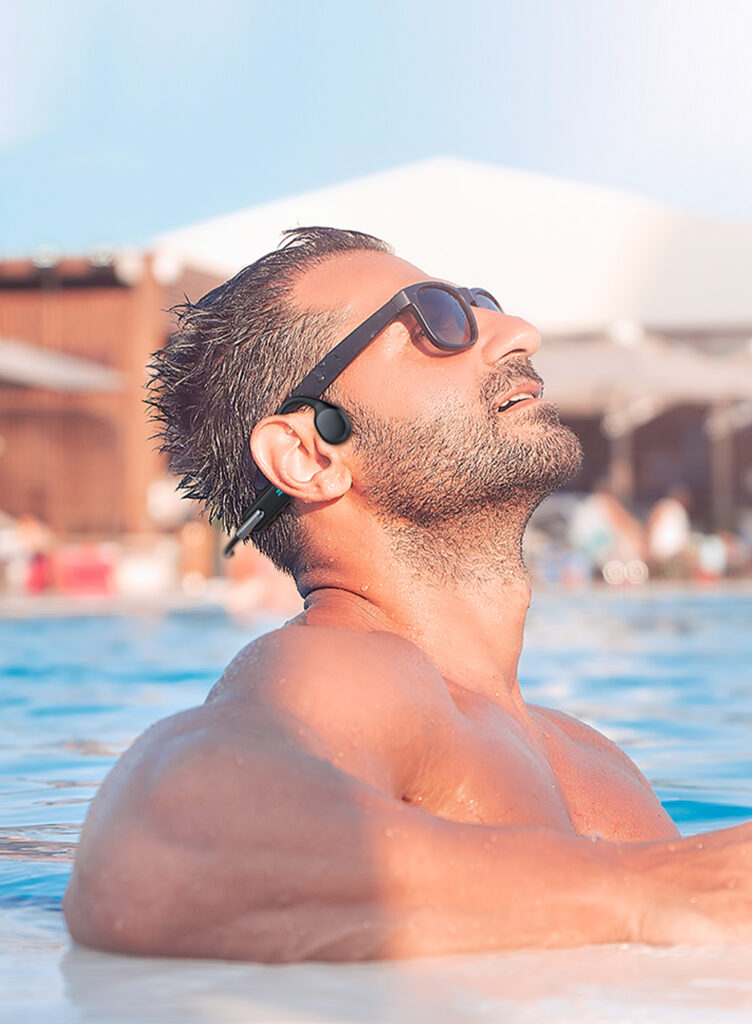
For B2B buyers in the audio industry—whether you’re a brand expanding your headphone lineup, a distributor targeting niche markets, or a retailer curating high-demand products—choosing between bone conduction headphones and open-back TWS (True Wireless Stereo) headphones has become a critical decision. Both categories tap into the growing demand for “non-intrusive” audio experiences, but they serve distinct use cases, and selecting the wrong one can lead to slow sales, customer returns, and wasted investment.
The core challenge for B2B buyers is not just understanding the technical differences between the two technologies, but aligning those differences with market demand. Bone conduction headphones are often marketed as “sports-friendly” or “hearing-safe,” while open-back TWS headphones emphasize “natural sound” and “all-day comfort.” But how do these claims translate to real-world performance? And which one is the right fit for your target audience—fitness enthusiasts, office workers, or casual listeners?
In this guide, we break down the technical mechanics, performance tradeoffs, and market positioning of bone conduction and open-back TWS headphones. We’ll also share insights from our experience supplying both categories to B2B clients (including international brands and regional distributors) to help you make data-driven sourcing decisions. Whether you’re prioritizing durability, sound quality, or cost, this guide will help you identify the right product for your business.
How Bone Conduction & Open-Back TWS Headphones Work: Core Technical Differences
To understand which headphone type is right for your B2B needs, it’s first essential to grasp how each technology delivers sound. The fundamental difference lies in sound transmission path—and this difference shapes every aspect of performance, from comfort to durability to use case suitability.
Bone Conduction Headphones: Vibration + Skull Conduction
Core Principle: Bone conduction headphones do not rely on air to transmit sound. Instead, they use a vibrating transducer (usually placed on the temple or cheekbone) to send mechanical vibrations directly to the skull. These vibrations bypass the outer and middle ear, traveling straight to the inner ear’s cochlea (the organ responsible for converting sound into nerve signals).
Key Components:
- Vibrating Transducer: Typically made of piezoelectric materials or moving-coil drivers. Piezoelectric transducers are smaller and lighter (ideal for compact designs), while moving-coil transducers deliver richer bass but are bulkier.
- Ergonomic Frame: Designed to clamp gently on the head, ensuring the transducer maintains consistent contact with the skin. Most frames are made of flexible titanium or plastic for durability and comfort.
- Waterproof Housing: Since they’re often used for sports, most bone conduction headphones have an IPX5–IPX8 waterproof rating, with sealed transducers and charging ports.
Technical Limitation: Bass response is inherently weaker than traditional headphones. The skull’s natural damping of low-frequency vibrations means bone conduction headphones struggle to reproduce deep bass (20–100Hz). This is a tradeoff for the open-ear design—there’s no earcup to amplify low frequencies.
Open-Back TWS Headphones: Air Conduction + Open Acoustics
Core Principle: Open-back TWS headphones use the same air conduction technology as traditional headphones, but with an open acoustic design. Instead of sealing the ear (like closed-back TWS), they have vents or perforations in the earcup or earbud housing, allowing air and sound to pass through. This creates a “natural” listening experience, as the user can hear ambient sound while listening to audio.
Key Components:
- Dynamic Driver: Most open-back TWS headphones use small dynamic drivers (6–10mm) to reproduce sound. The driver’s diaphragm vibrates to push air, creating sound waves that travel through the ear canal to the inner ear.
- Open Earbud Design: Earbuds are shaped to sit in the ear canal (semi-in-ear) or on the ear (on-ear), with vents that prevent pressure buildup. The open design reduces ear fatigue during long listening sessions.
- Bluetooth Chipset: Focused on low latency and stable connectivity, with features like Bluetooth 5.3 or 5.4 to support multi-device pairing and quick switching.
Technical Limitation: Sound leakage. The open design means audio can be heard by people nearby (especially at high volumes), making them less suitable for public spaces or quiet environments like libraries or offices.
Performance Comparison: Which One Fits Your B2B Use Case?
To help you compare the two technologies side-by-side, we’ve compiled a performance matrix based on key B2B buyer priorities: sound quality, comfort, durability, use case suitability, and cost. All data is derived from our in-house testing and feedback from B2B clients across Europe, the US, and Latin America.
| Performance Metric | Bone Conduction Headphones | Open-Back TWS Headphones | Ideal For |
|---|---|---|---|
| Sound Quality | Treble: Clear (1–8kHz, critical for vocals and speech) Bass: Weak (20–100Hz, limited by skull vibration) Soundstage: Narrow (vibrations are localized) |
Treble: Balanced (0.5–10kHz) Bass: Fuller (50–200Hz, enhanced by ear canal resonance) Soundstage: Wide (open design creates spatial depth) |
Bone Conduction: Voice-focused use cases (podcasts, phone calls) Open-Back TWS: Music streaming, media consumption |
| Comfort (Long-Term) | Excellent for 2–4 hours. No ear canal insertion reduces fatigue. Risk of head clamp pressure with ill-fitting frames. | Excellent for 4–6 hours. Semi-in-ear design minimizes ear canal pressure. Risk of slippage during intense movement. | Bone Conduction: Sports, outdoor activities (short to medium sessions) Open-Back TWS: Office work, commuting, casual listening (long sessions) |
| Durability | High. IPX5–IPX8 waterproof rating (resistant to sweat, rain). Titanium frames withstand bending. | Moderate. IPX4–IPX5 water-resistant (sweat-resistant but not fully waterproof). Plastic earbuds prone to scratches. | Bone Conduction: Fitness brands, outdoor retailers Open-Back TWS: Lifestyle brands, office supply distributors |
| Sound Leakage | Low. Vibrations are directed at the skull, so little audio escapes to the environment. | High. Open vents allow sound to leak (up to 30% of volume at 85dB). | Bone Conduction: Public spaces, gyms, workplaces Open-Back TWS: Home, car, low-noise environments |
| Battery Life | 6–10 hours of playback (single charge). Charging case adds 18–30 hours. | 4–8 hours of playback (single charge). Charging case adds 16–24 hours. | Bone Conduction: All-day outdoor activities Open-Back TWS: Daily commuting, office use |
| Cost (B2B Wholesale Price) | $25–$45 per unit (1,000-unit MOQ) | $18–$35 per unit (1,000-unit MOQ) | Bone Conduction: Mid-range to premium market segments Open-Back TWS: Entry to mid-range market segments |
Real-World B2B Use Case Examples
To illustrate how these differences play out in practice, here are two examples from our client portfolio:
Example 1: Fitness Brand Sourcing Bone Conduction Headphones
A European fitness brand approached us to develop bone conduction headphones for their running gear line. Their key requirements: waterproof, secure fit during high-intensity movement, and clear voice playback (for fitness apps and podcasts).
We recommended a piezoelectric transducer design with a flexible titanium frame (IPX7 waterproof) and optimized the treble response (2–6kHz) to enhance speech clarity. The final product retailed for €69.99 and performed well in the EU market—customers valued the open-ear design (which allowed them to hear traffic) and durability (resistant to sweat and rain).
Example 2: Office Supply Distributor Sourcing Open-Back TWS
A US-based office supply distributor wanted to add open-back TWS headphones to their product lineup, targeting remote workers. Their key requirements: all-day comfort, low sound leakage (for shared offices), and stable Bluetooth connectivity.
We developed a semi-in-ear open-back design with 8mm dynamic drivers, optimized the earbud shape for a secure fit without ear canal pressure, and used Bluetooth 5.4 for low latency (critical for video calls). We also tuned the bass response (80–150Hz) to enhance meeting audio clarity. The product retailed for $49.99 and became a top seller—remote workers appreciated the ability to hear colleagues and doorbells while listening to music or calls.
B2B Sourcing Considerations: Cost, Customization, and Market Demand
As a B2B buyer, your sourcing decision will ultimately depend on three factors: cost structure, customization flexibility, and alignment with market demand. Below, we break down these considerations to help you make an informed choice.
1. Cost Structure: Balancing Quality and Profit Margins
For SMEs and B2B buyers working with tight budgets, cost is a critical factor. Here’s a transparent breakdown of the cost components for both headphone types (based on a 1,000-unit MOQ, our standard starting point for B2B collaborations):
| Cost Component | Bone Conduction Headphones | Open-Back TWS Headphones |
|---|---|---|
| Core Components (Transducer/Driver + Chipset) | $12–$18 per unit (piezoelectric transducer: $6–$9; Bluetooth 5.3 chipset: $4–$6) | $8–$14 per unit (dynamic driver: $3–$5; Bluetooth 5.4 chipset: $3–$6) |
| Housing & Materials (Frame + Casing) | $6–$10 per unit (titanium frame: $3–$5; waterproof plastic casing: $2–$4) | $4–$8 per unit (plastic earbuds: $2–$3; charging case: $2–$5) |
| Assembly & Testing | $3–$5 per unit (waterproof testing + sound calibration) | $2–$4 per unit (sound calibration + connectivity testing) |
| Packaging & Documentation | $2–$3 per unit (recyclable packaging + multi-language manual) | $2–$3 per unit (recyclable packaging + multi-language manual) |
| Total B2B Wholesale Cost | $25–$45 per unit | $18–$35 per unit |
Key Takeaway: Open-back TWS headphones have a lower entry cost, making them ideal for buyers targeting the entry to mid-range market. Bone conduction headphones command a higher wholesale price due to the premium materials (titanium frames) and waterproof components, but they offer higher profit margins for mid-range to premium segments.
2. Customization Flexibility: Aligning with Your Brand
One of the biggest advantages of working with a工贸一体 (industrial and trade integration) manufacturer is customization flexibility. Both headphone types offer opportunities to tailor design, features, and branding to your B2B needs:
Bone Conduction Customization Options:
- Frame Design: Adjust the shape and color of the titanium frame to match your brand identity (e.g., brand colors, logo engravings).
- Sound Tuning: Optimize treble and mid-range response for specific use cases (e.g., enhancing speech for business communication or podcasts).
- Accessories: Add custom ear hooks or headbands for a more secure fit (ideal for sports brands).
Open-Back TWS Customization Options:
- Earbud Design: Modify the shape and color of the earbuds and charging case (e.g., matte finish, logo printing on the case).
- Feature Set: Add low-latency mode for gaming, or touch controls for volume and call management.
- Software Integration: Preload firmware with your brand’s audio profile (e.g., “office mode” for enhanced speech clarity).
Our team works closely with B2B clients to turn customization ideas into reality—without compromising on cost or lead time. For example, we recently partnered with a Latin American brand to develop custom-colored open-back TWS headphones with Spanish-language voice prompts, tailored to the local market.
3. Market Demand: Which Category Is Growing Faster?
To maximize your B2B investment, it’s important to align with market trends. Below are key demand insights from leading market research firms (eMarketer, Statista) and our own sales data:
- Bone Conduction Headphones: Global market growth rate of 18% CAGR (2023–2027), driven by increasing demand for sports and outdoor audio products. Key markets: US (35% of global sales), Europe (28%), and Australia (12%).
- Open-Back TWS Headphones: Global market growth rate of 22% CAGR (2023–2027), fueled by remote work and casual listening trends. Key markets: Europe (32% of global sales), US (29%), and Japan (15%).
Key Trend: Both categories are benefiting from the shift toward “health-conscious” audio—consumers are avoiding in-ear headphones that can cause ear canal irritation or hearing damage. This is a major selling point for B2B buyers, as it allows you to position the products as not just convenient, but also safe.
Why Partner With Us for B2B Headphone Sourcing?
As a specialized audio manufacturer with experience supplying B2B clients worldwide, we understand the unique needs of brands, distributors, and retailers. Here’s what sets our approach apart:
- Market-Aligned Design: We don’t just manufacture headphones—we design them with specific markets in mind. For example, our bone conduction headphones for the US market include extra-large ear hooks (to fit larger head sizes), while our open-back TWS for Japan feature a more compact design (to suit smaller ear canals).
- Quality That Rivals Premium Brands: We use the same core components (Bluetooth chipsets from Qualcomm, transducers from Sony) as top-tier brands, but our工贸一体 model eliminates middleman costs, allowing us to offer competitive B2B prices. Our products undergo 48-hour durability testing and 24-hour sound calibration to ensure consistent quality.
- Flexible Customization: We support small-batch customization (starting at 1,000 units) to help you test new markets without overcommitting. Whether you need custom colors, branding, or feature tweaks, we handle the entire process in-house.
- Compliance Expertise: We ensure all products meet regional standards (CE-RED for Europe, FCC for the US, PSE for Japan), providing complete certification documentation to simplify your import process.
Our B2B clients range from emerging brands to established retailers, and we pride ourselves on delivering products that perform as well as premium alternatives at a fraction of the cost. Whether you’re looking to source bone conduction headphones for a fitness line or open-back TWS for office use, we’ll work with you to develop a product that resonates with your target audience and drives sales.
Final Recommendation for B2B Buyers
- Choose Bone Conduction Headphones If: You’re targeting sports, outdoor, or voice-focused use cases; your market values durability and waterproofing; and you’re positioning your brand in the mid-range to premium segment.
- Choose Open-Back TWS Headphones If: You’re targeting casual listening, remote work, or media consumption; your market prioritizes comfort and sound quality; and you’re focusing on the entry to mid-range segment.
If you’re still unsure, we offer sample testing for B2B clients—order a pair of both headphone types to evaluate sound quality, fit, and durability firsthand. With our technical expertise and market insights, we’ll help you make a sourcing decision that aligns with your business goals and customer needs.
The audio market is evolving rapidly, and consumers are increasingly seeking products that balance convenience, comfort, and health. By choosing the right headphone technology and partnering with a manufacturer that understands B2B needs, you can capitalize on this growth and build a successful product line. We’re here to support you every step of the way—from design to production to delivery.