Cost-Effective Audio Solutions for Growing Retail Chains
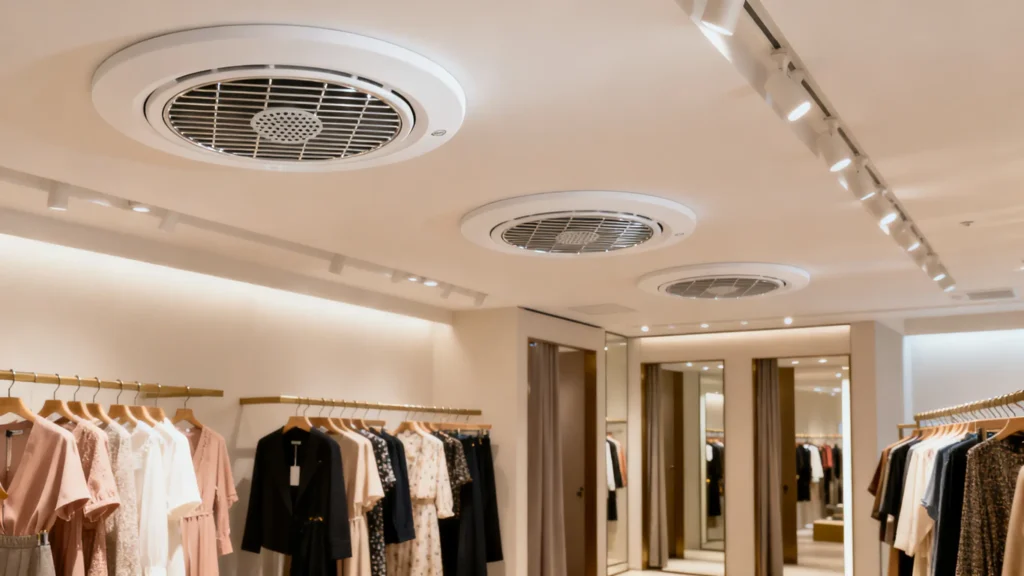
Cost-Effective Audio Solutions for Growing Retail Chains
A growing clothing chain with 15 stores invests in an enterprise-grade audio system—only to realize it’s overkill. The system requires a dedicated IT team to manage (which they don’t have), costs $2,000 per store (way over their budget), and the large speakers take up valuable floor space. Within 6 months, they’re using just 30% of the system’s features and regret the purchase—wasting $30,000.
For growing retail chains (5–50 stores), audio solutions are a balancing act: you need quality sound (to enhance the shopping experience), scalability (to add stores easily), and affordability (to stay within budget). Enterprise systems are too expensive and complex, while consumer speakers are too flimsy and inconsistent. The sweet spot is a tailored, cost-effective solution that grows with your business—no more overpaying for features you don’t need.
With 13 years of designing audio for growing retail partners (clothing, electronics, grocery), we’ve refined a approach that delivers quality at a budget. This guide breaks down how to choose scalable, space-efficient, and affordable audio for your retail clients—so they get the sound they need without breaking the bank.
Why Enterprise & Consumer Audio Fail for Growing Retail Chains
Growing retailers have unique needs that fall between enterprise and consumer solutions. Here’s why the two extremes don’t work:
-
Enterprise Systems: Too Costly & Complex:
- Price: $1,500–$3,000 per store (plus monthly subscription fees for management tools). For a 15-store chain, that’s $22,500–$45,000 upfront—money growing retailers need for inventory or marketing.
- Complexity: Require dedicated IT staff to set up (e.g., configuring zone controls, syncing with POS systems) and maintain (e.g., troubleshooting cloud connectivity). Most growing chains have 1–2 IT employees who can’t handle this.
- Overkill Features: Include tools like "real-time audio analytics" or "multi-location video sync"—features a 15-store chain doesn’t need (they just want to play background music and make announcements).
-
Consumer Speakers: Too Flimsy & Inconsistent:
- Durability: Cheap plastic enclosures crack easily (from shopping carts, customer bumps) and don’t withstand daily use (8–12 hours). A growing chain will spend more on replacements than a quality system.
- Inconsistency: Each store might use different consumer speakers (e.g., some use Amazon Echo, some use Sonos)—leading to inconsistent sound quality (too loud in one store, too quiet in another).
- No Central Control: Managers can’t sync music or announcements across stores (e.g., a "sale starts now" announcement needs to be made manually in each store)—wasting time.
A client with 10 electronics stores first used consumer Echo speakers. Within 8 months, 40% of the speakers broke (from customer bumps), and managers spent 2 hours/day manually updating playlists. We switched them to a cost-effective commercial system—replacement costs dropped to 5%, and playlist updates took 10 minutes total.
Key 1: Prioritize Scalable, Modular Hardware
Growing retail chains add stores 1–2 at a time—your audio solution should grow with them, no full system replacement needed. Modular hardware lets them start small (e.g., 2 speakers per store) and add more as they expand.
What to Include in a Modular Retail Audio Kit:
- Compact Wall-Mounted Speakers: Choose 10–15cm speakers (saves floor space) with 85–90dB sensitivity (loud enough for 1,000 sq. ft. stores). Avoid large floor speakers—they take up space for displays.
- Centralized Amplifier: Use a 4-channel amplifier (powers 4 speakers) per store. If the store expands (e.g., adds a fitting room), just add 2 more speakers—no new amplifier needed.
- Wireless Audio Receiver: Add a Bluetooth/Wi-Fi receiver to sync music from a central device (e.g., a tablet in the back office). Avoid wired connections—they’re hard to reconfigure if the store rearranges displays.
- Battery-Powered Portable Speaker: Include 1 portable speaker per store for temporary use (e.g., pop-up sales, in-store events). Choose 1kg or lighter (easy to carry) with 8-hour battery life.
We designed a modular kit for a 20-store clothing chain. Each store started with 2 wall speakers and 1 amplifier. As they added 5 more stores, they just ordered additional kits—no reconfiguration of existing stores. The total cost was $500 per store (vs. $2,000 for enterprise)—saving them $30,000.
Key 2: Simplify Management (No IT Expertise Needed)
Growing retailers don’t have dedicated IT teams—your audio solution should be manageable by store managers (not tech experts). Focus on easy-to-use tools that require minimal training.
Management Features for Growing Retail:
- Centralized Music Playlist Tool: Use a web-based app (no download needed) where a headquarters manager can:
- Create playlists (e.g., "Weekend Sale" playlist with upbeat music).
- Schedule playlists (e.g., play slow music during weekday mornings, upbeat during weekends).
- Push playlists to all stores at once (no manual updates).
- One-Touch Announcements: Add a small handheld microphone (or use a smartphone app) to make store-wide announcements. Buttons for common announcements (e.g., "Attention shoppers, our sale ends today!") save time.
- Basic Volume Control: Give store managers a simple dial (no complex menus) to adjust volume—labeled "Low," "Medium," "High" (avoids confusion).
For a 12-store grocery chain, we built a web-based playlist tool. The headquarters manager updates playlists once a week, and all stores receive them automatically. Store managers use a smartphone app to make announcements—no training needed. They reported saving 5 hours/week on audio management.
Key 3: Balance Quality & Budget (Avoid Hidden Costs)
Cost-effective doesn’t mean "cheap"—it means getting value for money. Avoid hidden costs (replacements, maintenance, subscription fees) that add up over time.
How to Calculate True Cost of Retail Audio:
- Upfront Cost: Include hardware (speakers, amplifier, receiver) and setup (if needed). Aim for $400–$600 per store (modular kits fall here).
- Replacement Cost: Choose durable materials (ABS plastic enclosures, metal grilles) to reduce replacements. A quality speaker should last 3–5 years (vs. 1–2 years for consumer models).
- Maintenance Cost: Avoid systems with monthly subscriptions (enterprise systems charge $20–$50/month per store). Opt for one-time hardware purchases with no recurring fees.
- Setup Cost: Choose plug-and-play systems (no wiring or programming needed). A store manager should be able to set it up in 30 minutes.
Below is a cost comparison between enterprise, consumer, and our modular retail audio solutions for a 15-store chain:
| Solution Type | Upfront Cost (15 Stores) | Annual Replacement Cost | Monthly Subscription | 3-Year Total Cost |
|---|---|---|---|---|
| Enterprise | $45,000 | $1,500 | $9,000 ($50/store) | $73,500 |
| Consumer | $7,500 | $4,500 | $0 | $21,000 |
| Our Modular Kit | $9,000 | $450 | $0 | $10,350 |
A client with 15 toy stores switched from consumer speakers to our modular kit. Their 3-year cost dropped from $21,000 to $10,350, and they had 90% fewer replacement issues.
Key 4: Optimize for Retail-Specific Sound Needs
Retail audio isn’t just about "playing music"—it’s about enhancing the shopping experience. Poor sound (too loud, too quiet, distorted) drives customers away. Focus on these retail-specific sound features:
- Background Music Levels: Keep volume at 65–70dB (loud enough to mask noise but quiet enough for conversation). Use speakers with consistent volume output (no variation between units).
- Speech Clarity for Announcements: Choose speakers with a frequency response of 300–3,400 Hz (human speech range) to ensure announcements are clear. Avoid speakers tuned for bass (they muffle voices).
- Ambient Noise Adaptation: Add a built-in microphone that adjusts volume based on store traffic (e.g., increases volume during busy weekends, decreases during slow weekdays). This avoids manually adjusting volume 10x/day.
We tuned our modular speakers for a 25-store electronics chain. The frequency response focused on speech clarity, and we added ambient noise adaptation. The chain reported a 15% increase in customer停留时间—shoppers said the "sound was comfortable, not overwhelming."
How We Design Cost-Effective Retail Audio Kits
We don’t just "sell speakers"—we design kits tailored to growing retail chains. Our process ensures you get the right solution for your client’s budget and needs:
- Store Assessment: We review your client’s store size (sq. ft.), layout (e.g., open floor vs. fitting rooms), and traffic patterns (busy weekends vs. slow weekdays) to recommend the number of speakers per store.
- Kit Customization: We build a modular kit (speakers, amplifier, receiver) that fits their budget—starting at $400 per store. We avoid unnecessary features (e.g., analytics) to keep costs down.
- Setup Guidance: We provide a 10-minute video tutorial and one-page setup guide for store managers. If they need help, our team offers a 30-minute virtual walkthrough (no extra charge).
- Expansion Support: As they add stores, we provide additional kits that sync with existing ones—no reconfiguration of current systems.
A recent client with 8 shoe stores told us our kit was "exactly what we needed—quality sound, easy to manage, and affordable." They’ve since expanded to 15 stores and reordered our kits for the new locations.
Final Thought: Growing Retail Chains Deserve Audio That Grows With Them
You don’t have to choose between overpriced enterprise systems and flimsy consumer speakers. A modular, easy-to-manage, budget-friendly solution lets growing retail chains get the sound they need—without wasting money on features they don’t use.
If you’re working with growing retail chains that need cost-effective audio solutions, reach out to our team. We’ll help you design a kit that fits their budget, scales with their stores, and enhances their customers’ shopping experience.