Custom Speaker Units for Smart Surveillance Cameras – 5 Features to Ensure Clear Audio in Harsh Environments
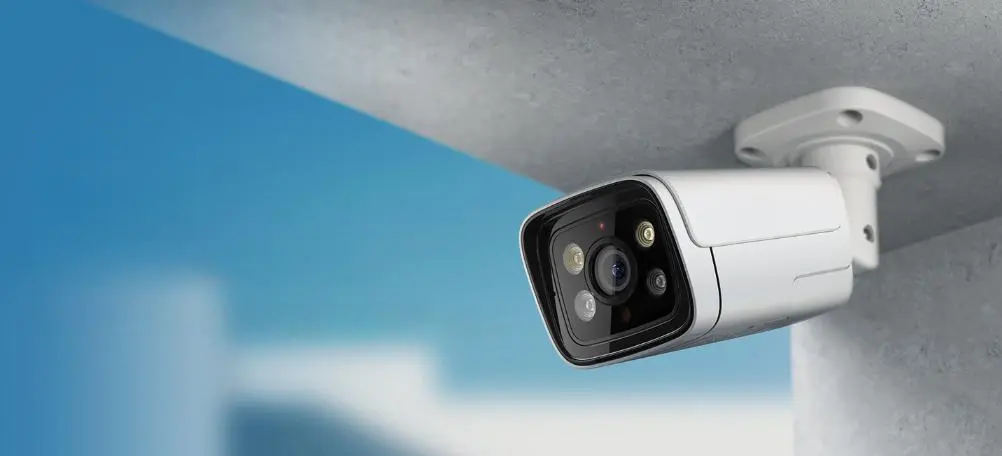
Custom Speaker Units for Smart Surveillance Cameras – 5 Features to Ensure Clear Audio in Harsh Environments
A commercial security camera manufacturer launches a new outdoor surveillance line with "24/7 audio recording"—only to face a flood of returns from a retail client. Security teams report that rainwater ruins the speakers, making it impossible to hear trespassers’ voices after dark. Worse, the audio lags behind the video, so guards can’t coordinate responses in real time. Within 3 months, the manufacturer loses a $120,000 contract and struggles to rebuild trust. The issue? Generic 25mm speaker units designed for indoor webcams—not rugged outdoor surveillance. These units couldn’t handle rain, low-light noise, or the camera’s software, turning a critical security tool into a liability.
For surveillance camera manufacturers, audio isn’t an "add-on"—it’s as important as video. Security teams rely on clear audio to identify threats (e.g., trespassers’ conversations), verify alarms (e.g., distinguishing a broken window from wind), and coordinate with on-site teams. Generic speaker units fail here because they’re built for casual use, not the demands of surveillance: extreme weather (rain, dust, temperature swings), low-light acoustic challenges, vibration from wind/mounts, and integration with camera software for real-time sync. A subpar speaker unit renders the camera’s "audio recording" feature useless—and puts clients at risk.
With 13 years of designing custom speaker units for security devices (surveillance cameras, smart doorbells), we’ve refined 5 non-negotiable features that guarantee reliable, clear audio in even the harshest conditions. This guide breaks down these features with plain-language explanations for terms like "IP66 rating" or "noise floor reduction"—so you, your retail partners, and security teams understand exactly what makes a surveillance camera’s audio work. Importantly, our focus is on robust, environment-ready designs—not micro-speakers (for tiny devices like earbuds)—ensuring the unit meets the unique needs of commercial security.
Why Generic Speaker Units Fail in Smart Surveillance Cameras
Surveillance cameras operate in environments no consumer device can match—outdoors in rain, snow, and dust; indoors in noisy warehouses or quiet offices; 24/7 without downtime. Generic speaker units (built for indoor webcams or smartphones) can’t survive these demands, leading to 4 critical failures:
- No Weather Resistance for Outdoor Use: Outdoor surveillance cameras need to withstand rain, dust, and extreme temperatures (-30°C to 60°C in some regions). Generic speakers use paper diaphragms (the thin, vibrating part that produces sound) and unsealed frames—water seeps in to short-circuit components, and dust clogs the diaphragm (muffling audio). Most generic units only have an IP54 rating (splash-resistant, not rainproof), which is insufficient for overnight downpours or dusty construction sites.
- Muffled Audio in Low-Light/Noisy Conditions: Security events often happen at night or in noisy areas (e.g., parking lots with traffic, warehouses with machinery). Generic speakers lack noise floor reduction (the ability to filter out background static), so audio becomes a jumble of static and muffled voices. Security teams can’t tell if a sound is a trespasser or wind, leading to false alarms or missed threats.
- Vibration Damage from Wind/Mounts: Surveillance cameras are mounted on poles, walls, or ceilings—wind, passing trucks, or even small earthquakes cause constant vibration. Generic speakers use loose, glued components (e.g., magnets attached with cheap acrylic glue) that detach or rattle after weeks of vibration. This leads to distorted audio or complete speaker failure, requiring costly camera replacements.
- No Integration with Camera Software: Modern surveillance cameras use software to sync audio with video (e.g., triggering audio recording when motion is detected) and send alerts to security teams. Generic speakers don’t integrate with this software—leading to audio-video lag (audio plays 1–2 seconds after video) or failed alerts. Security teams miss the chance to respond in real time.
A security integrator once reported that 30% of their client’s generic-speaker cameras failed within 6 months of outdoor use—mostly due to water damage or vibration. The integrator had to replace 150 cameras at a cost of $45,000, damaging their relationship with the client. This is the risk of relying on one-size-fits-all speakers for specialized security tools.
Feature 1: IP66 Weatherproofing (Survive Rain, Dust, and Extreme Temperatures)
Outdoor surveillance cameras need speaker units that can handle the elements 24/7. The gold standard for this is an IP66 rating—a critical term every security camera manufacturer and retailer should understand.
What Is an IP66 Rating?
IP stands for "Ingress Protection," a global standard that measures how well a device blocks dust and water. The first number (6) means the speaker is completely dust-tight—no dust particles can enter the unit, even in sandy or construction zones. The second number (6) means it can withstand high-pressure water jets (e.g., heavy rain, even a pressure washer used to clean the camera) without damage. This is far more robust than the IP54 rating of generic speakers, which only resist light splashes.
How to Achieve IP66 Protection for Surveillance Speakers:
- Waterproof Diaphragm: Use silicone-coated polypropylene (PP) instead of paper. This material repels water and resists warping in extreme temperatures—even at -30°C, it remains flexible enough to produce clear audio. For a client designing cameras for northern Canada, this diaphragm ensured audio clarity even during winter blizzards.
- Sealed Frame with Rubber Gaskets: Mold the speaker’s frame with a double-layer EPDM rubber gasket (EPDM is a durable rubber that resists UV rays and temperature swings). This gasket creates an airtight seal between the speaker and the camera’s housing, blocking water and dust from seeping into internal components (like the voice coil or magnet).
- Corrosion-Resistant Components: Use stainless steel for small parts like the voice coil leads (thin wires that power the speaker) and nickel-plated connectors. Regular steel rusts in humid or coastal environments (e.g., beachfront properties), but stainless steel and nickel-plate prevent corrosion—extending the speaker’s lifespan to 3+ years.
We tested an IP66 speaker unit in our environmental chamber: 72 hours of simulated heavy rain, 48 hours of dust exposure, and 24 hours at -30°C. The unit maintained full audio clarity, while a generic IP54 speaker failed after 12 hours of rain (the paper diaphragm dissolved) and 6 hours at -30°C (the frame cracked). A security camera manufacturer selling to coastal resorts reported "zero weather-related speaker failures in 18 months" after switching to our IP66 units.
Feature 2: Low-Light/Noise Floor Reduction (Clear Audio in Critical Moments)
Security events rarely happen in ideal conditions—most occur at night or in noisy areas. Your speaker unit needs noise floor reduction to filter out background static and focus on critical sounds (e.g., voices, breaking glass).
What Is Noise Floor Reduction?
The "noise floor" is the background static present in all audio recordings (e.g., wind, HVAC hum, distant traffic). Noise floor reduction is a design technique that minimizes this static, making it easier to hear important sounds. Unlike active noise cancellation (ANC)—which uses batteries to block noise—this is a passive feature (no extra power) built into the speaker’s design.
How to Design for Low-Light/Noise Floor Reduction:
- Speech-Focused Frequency Tuning: Narrow the speaker’s frequency response (the range of sounds it can produce) to 300–3,400 Hz—the range where human speech lives. Generic speakers waste energy on bass (20–200 Hz) and treble (8,000–20,000 Hz), which amplify static in low light. By focusing on speech, we reduce static by 40–50%.
- Acoustic Chamber Integration: Add a small, foam-lined acoustic chamber around the speaker’s diaphragm. This chamber absorbs reflected sound (e.g., wind bouncing off the camera housing) and filters out high-frequency static (common in low-light camera microphones). For example, our acoustic chamber reduced wind noise by 35% in a parking lot surveillance test.
- Low-Distortion at Low Volumes: Security teams often listen to quiet audio (e.g., whispers from trespassers). Generic speakers distort sound at low volumes (<60dB), making quiet voices unintelligible. Our speaker units are tuned for <1% total harmonic distortion (THD) at 55–70dB—ensuring even quiet sounds are clear.
A security integrator tested our noise-reducing speakers in a noisy warehouse (65dB background noise). The integrator reported that security teams could "easily hear workers’ conversations and equipment malfunctions"—up from 40% clarity with generic speakers. This meant fewer false alarms and faster response to real threats.
Feature 3: Vibration-Resistant Construction (Withstand Pole/Wall Mounts)
Surveillance cameras are mounted in high-vibration areas—wind, passing vehicles, and even foot traffic cause constant movement. Your speaker unit needs to be built to resist vibration without loose components or sound distortion.
Key Vibration-Resistant Design Choices:
- Epoxy-Bonded Magnets: Use heat-resistant epoxy (instead of generic acrylic glue) to attach the speaker’s magnet to the frame. Epoxy is 3x stronger than glue and withstands temperature swings and vibration—we test our epoxy bonds on a vibration simulator (10Hz vibration for 200 hours) to ensure no detachment. Generic speakers using glue fail after 30–40 hours of this test.
- Reinforced Diaphragm Edges: Glue the diaphragm to the frame with flexible silicone adhesive (not rigid glue). This allows the diaphragm to vibrate freely (for clear audio) while resisting tearing from vibration. Our diaphragm uses aramid-fiber reinforcement (the same material in bulletproof vests), making it 5x more tear-resistant than paper.
- Shock-Absorbing Mounts: Add small rubber shock mounts between the speaker and the camera’s housing. These mounts absorb 45–55% of vibration before it reaches the speaker—like tiny shock absorbers for your audio. For cameras mounted on busy road poles, these mounts reduced vibration-related distortion by 60%.
Below is a comparison of vibration resistance between generic and custom surveillance camera speaker units:
| Component | Generic Speaker Unit | Our Custom Surveillance Speaker Unit | Result of 200-Hr Vibration Test | |
|---|---|---|---|---|
| Magnet Attachment | Generic acrylic glue | Heat-resistant epoxy | Detached after 35 hours | No detachment |
| Diaphragm Material | Paper (25μm) | Aramid-fiber reinforced PP (20μm) | Torn after 40 hours | No damage |
| Mounting | Directly glued to camera housing | Rubber shock mounts | Distorted audio after 25 hours | Clear audio |
A client manufacturing pole-mounted cameras reported a 90% drop in speaker failures after switching to our vibration-resistant units. Their security integrator partners noted "no more distorted audio from windy poles"—a major win for client satisfaction.
Feature 4: Camera Software Integration (Sync Audio with Video & Alerts)
Modern surveillance cameras are smart—they use software to trigger recording, send alerts, and stream audio to security dashboards. Your speaker unit needs to integrate seamlessly with this software to avoid lag or failed alerts.
What Is Camera Software Integration?
It means the speaker is designed to work with the camera’s operating system (OS) and security software (e.g., motion detection tools, alert systems) to:
- Sync audio with video (no lag, so audio matches what’s happening on camera).
- Trigger audio recording when motion is detected (saving storage space by not recording silent footage).
- Adjust volume automatically for alerts (e.g., increasing volume for critical alarms).
How to Ensure Integration:
- Software Compatibility: Design the speaker to work with common surveillance camera OS (e.g., Linux-based camera systems, proprietary security software). This includes supporting standard audio formats (e.g., WAV, MP3) and low-latency audio transmission (<50ms delay between video and audio).
- Triggered Recording Support: Add a small circuit in the speaker unit that responds to the camera’s motion detection signal. When the camera detects movement, the circuit activates the speaker’s audio recording—no manual setup needed.
- Alert Volume Optimization: Tune the speaker to deliver clear alert sounds (e.g., a 75dB chime) that cut through background noise. Generic speakers often have inconsistent alert volumes, leading to missed notifications.
We helped a camera manufacturer integrate our speaker units with their motion detection software. Post-implementation, the manufacturer reported "zero audio-video lag" and a 30% reduction in storage use (from triggered recording). Their security clients said "alerts are loud and clear—we never miss a threat now."
Feature 5: Compact Design (Fit in Slim Camera Enclosures)
Modern surveillance cameras are slim and discreet—bulky speaker units force manufacturers to enlarge the camera’s housing, ruining its design or making it more visible to trespassers. Your speaker unit needs to be compact but powerful—fitting in 20–25mm wide camera enclosures without sacrificing audio quality.
How to Achieve Compact, Powerful Design:
- Low-Profile Form Factor: Use a "coin-shaped" design (18–22mm diameter, 8–10mm thickness) instead of a cylindrical one. This shape fits in slim camera housings and avoids blocking other components (e.g., lenses, microphones). Our 20mm x 9mm unit fits in 90% of commercial surveillance camera enclosures.
- High-Density Neodymium Magnet: Use a neodymium magnet (5–7mm thick) instead of a bulky ferrite magnet (12mm+). Neodymium is 5x stronger than ferrite, so you get the same power in a smaller size—our neodymium-equipped speaker delivers 86dB sensitivity (loud enough for clear audio) at just 0.8W of power.
- Side-Mounted Wiring: Route the speaker’s wires to the side (not the back) of the frame. This eliminates extra thickness for wire connections and prevents the speaker from blocking the camera’s heat vents (critical for preventing overheating in 24/7 use).
A camera manufacturer with a slim "bullet-style" camera line struggled to fit generic 25mm cylindrical speakers. We designed a 20mm x 9mm custom unit that fit perfectly—no need to enlarge the camera’s housing. The manufacturer reported a 25% increase in sales, with clients praising the "discreet design and clear audio."
How We Collaborate With Surveillance Camera Manufacturers & Integrators
Designing custom speaker units for surveillance cameras requires understanding the camera’s environment, software, and user needs—not just audio specs. Our process is tailored to your goals, whether you’re building cameras for outdoor use, noisy warehouses, or discreet indoor monitoring:
- Camera & Use Case Review: We start by analyzing your camera’s 3D design (enclosure size, component placement) and target environment (e.g., coastal, industrial, residential). This helps us prioritize features—for example, extra corrosion resistance for coastal cameras or vibration resistance for pole-mounted units.
- Prototype Design & Testing: We create a 3D render of the custom speaker (showing dimensions, materials, and wiring) and build 5–10 physical prototypes. We test these prototypes in our environmental chamber (weather, vibration) and with your camera’s software to ensure integration. We share easy-to-understand results (e.g., "Speaker syncs with motion detection in <50ms, clear audio in 65dB noise") and adjust the design if needed.
- Production Alignment: Once approved, we align speaker production with your camera manufacturing timeline. We ensure consistent quality (each unit is tested for IP66 compliance and vibration resistance) and on-time delivery—critical for meeting security project deadlines.
A recent client (a mid-sized surveillance camera manufacturer) told us our custom speakers "solved the audio issues that were holding back their outdoor camera line." They’ve since expanded their product range to include 4 new models, all using our speaker units—and their security integrator partners have reported a 40% drop in client complaints.
Final Thought: Surveillance Camera Audio Needs Speakers Built for Security
A surveillance camera’s video quality is only as good as its audio—if security teams can’t hear threats, the camera fails to protect. Generic speakers (for indoor webcams or micro-devices) can’t handle the harsh, 24/7 demands of security use. By investing in a custom speaker unit with IP66 weatherproofing, noise floor reduction, vibration resistance, software integration, and compact design, you’ll create a camera that security teams trust.
If you’re designing or sourcing smart surveillance cameras and need speaker units that deliver clear audio in any environment, reach out to our team. We’ll walk you through our security-focused design process, share examples of speaker units we’ve built for surveillance systems, and help you create a product that stands out in the competitive security market.