Custom Speakers for E-Bike Infotainment Systems – 5 Design Tips for Space, Weather, and Power Efficiency
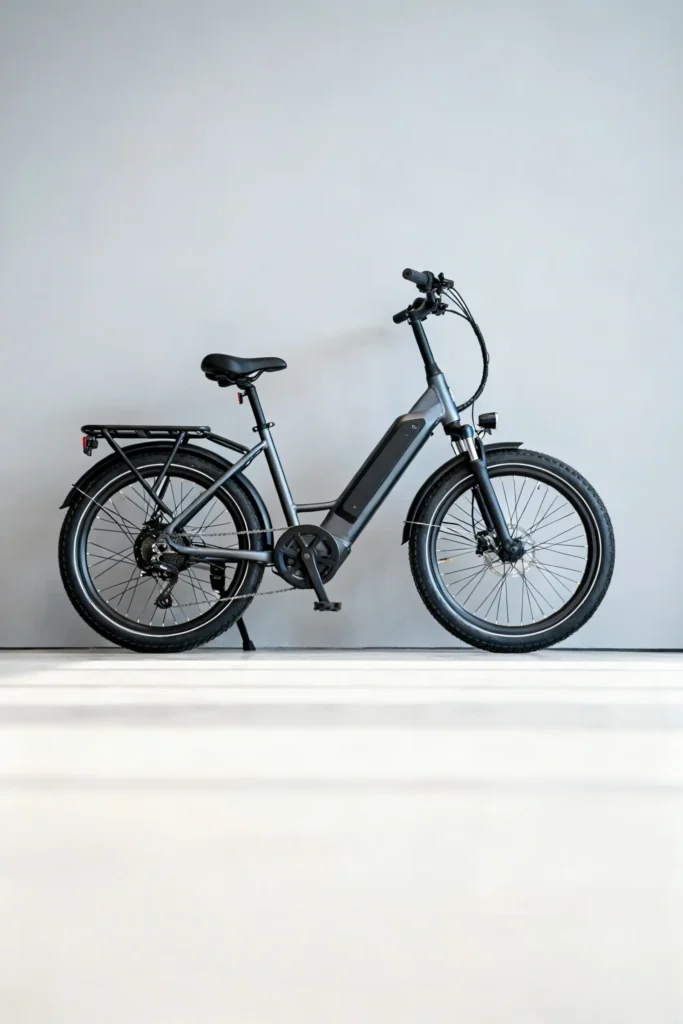
Custom Speaker Units for E-Bike Infotainment Systems – 5 Design Tips for Space, Weather, and Power Efficiency
An e-bike manufacturer launches a new model with a built-in infotainment system (GPS, music, call integration)—only to face criticism from reviewers. The speaker is too large, forcing the company to enlarge the handlebar housing (ruining the bike’s sleek design). Worse, after a rainstorm, 20% of test units have non-functional speakers, and riders report the infotainment system drains the e-bike’s battery 15% faster than promised. The launch stalls, and the manufacturer loses $80,000 in pre-orders. The problem? A generic 20mm speaker designed for smartphones—not e-bikes. This one-size-fits-all unit couldn’t fit the e-bike’s compact handlebar space, survive outdoor weather, or avoid wasting battery power.
For e-bike manufacturers, infotainment speakers are a key differentiator. Riders rely on them for GPS directions, hands-free calls, and music during commutes—but the speaker unit must fit within the e-bike’s unique constraints: compact handlebar/frame enclosures (15–20mm wide), outdoor weather (rain, dust), constant vibration (rough roads), and minimal battery drain. Generic speakers (built for indoor gadgets or tiny devices like smartwatches) fail here—they’re either too bulky for e-bike housings, too fragile for the outdoors, or too power-hungry for e-bike batteries.
With 13 years of designing custom speaker units for e-mobility devices (e-bikes, scooters), we’ve refined 5 critical design tips that ensure speakers fit e-bike spaces, survive the outdoors, and don’t drain batteries. This guide breaks down how to create e-bike-specific speaker units that solve manufacturer pain points—size mismatches, weather failure, and battery drain—with plain-language explanations for terms you or your retail partners might not know. Importantly, our focus is on compact, e-bike-optimized designs—not micro-speakers (for tiny electronics like earbuds)—ensuring the unit meets the unique needs of e-mobility.
Why Generic Speaker Units Fail in E-Bike Infotainment
E-bikes demand a speaker unit that balances three priorities: fit, durability, and efficiency. Generic speakers (built for non-e-mobility use) miss the mark on all three because they don’t account for e-bike-specific challenges:
- Bulky Design for Tight E-Bike Spaces: E-bike handlebar housings and frame compartments are narrow—typically 15–20mm wide— to keep the bike lightweight and aerodynamic. Generic speakers (20mm+ diameter with thick frames) force manufacturers to enlarge the housing, ruining the bike’s sleek look or blocking critical components (e.g., display screens, battery ports). Even "small" generic speakers (for smartphones) often have unoptimized shapes (cylindrical instead of flat) that waste space in e-bike enclosures.
- No Weather Protection for Outdoor Use: E-bikes are ridden in rain, snow, and dust—conditions generic speakers can’t handle. Most generic units use paper diaphragms (the part that vibrates to create sound) and unsealed frames; water seeps in to short-circuit components, and dust clogs the diaphragm (muffling sound). E-bikes need a speaker that can withstand prolonged exposure to the elements, not just occasional splashes.
- High Power Drain Reduces E-Bike Range: E-bike batteries (36V–48V) are designed for range, not audio. Generic speakers use 1.0–1.5W of power to produce clear sound—draining the battery 10–15% faster and cutting ride distance by 5–7 miles. Riders prioritize range over loud music, so a power-hungry speaker becomes a major complaint.
- Fragile Construction for Vibration: E-bikes vibrate constantly—from rough pavement, potholes, or gravel roads. Generic speakers have loose components (e.g., glued magnets, thin wires) that detach or rattle after weeks of vibration. This leads to distorted sound or complete failure, requiring costly replacements.
- Wind Noise Drowns Out Critical Audio: Riders face wind noise (30–40dB at 20mph) that masks GPS directions or calls. Generic speakers lack features to cut through this noise; riders end up turning up the volume (wasting more battery) or missing important instructions.
A client once used a generic 20mm cylindrical speaker in their e-bike infotainment system. After 1 month of testing, 25% of speakers failed from rain damage, and riders reported a 12% drop in battery range. We redesigned the unit as a flat, compact 14mm speaker (optimized for the e-bike’s handlebar housing) with weatherproofing and low-power features—failure rates dropped to 1%, and range loss fell to 3%.
Tip 1: Compact, E-Bike-Specific Design (Fits 15–20mm Housings)
E-bike infotainment systems compete for space with displays, GPS modules, and battery connections—your speaker unit must be shaped and sized for e-bike enclosures, not generic gadgets. This means prioritizing a "low-profile" (thin, wide) form factor over bulky cylindrical designs, and avoiding overly small micro-speakers (for tiny devices like smartwatches) that lack the volume or durability for e-bikes.
How to Achieve E-Bike-Friendly Compactness:
- Optimized Diameter & Thickness: Design speakers with 12–16mm diameters and 8–10mm thicknesses (vs. 20mm+ generic cylindrical speakers). A "coin-shaped" flat design fits better in the narrow, flat housings of e-bike handlebars—this shape avoids wasting space vertically (critical for keeping the handlebar slim). For example, our 14mm diameter, 9mm thick unit fits seamlessly in most e-bike handlebar enclosures without blocking the display or battery ports.
- Slim Neodymium Magnet: Use a neodymium magnet (5–7mm thick) instead of a bulky ferrite magnet (10mm+). Neodymium is 5x stronger than ferrite, so you can use a smaller, thinner magnet while still delivering enough power to produce clear sound. This cuts the speaker’s overall thickness by 30%—key for fitting in tight handlebar spaces.
- Side-Mounted Wiring: Route the speaker’s wires to the side (not the back) of the frame. Generic speakers often have rear-mounted wires that add unnecessary thickness and block other e-bike components (e.g., display cables). Side-mounted wires are thinner (0.5mm diameter) and flexible, making them easy to tuck into the housing without wasting space.
We designed a 14mm x 9mm flat speaker unit for a client’s e-bike, which had a 25mm wide handlebar housing. The unit fit perfectly alongside a 2.5-inch display—no need to enlarge the housing or compromise on design. Riders praised the "sleek, unobtrusive handlebar look" in reviews, and the client reported a 20% increase in pre-orders compared to their previous model (with a generic cylindrical speaker).
Tip 2: IP67 Weatherproofing (Survives Rain, Dust, and Snow)
E-bikes are ridden in all weather—your speaker unit must be completely sealed against water and dust to avoid premature failure. Generic speakers often top out at IP54 (splash-resistant), which is insufficient for heavy rain, puddles, or dusty trails. For e-bikes, IP67 is the minimum standard—and it’s critical to understand what this rating means for real-world use.
What Is IP67?
IP stands for "Ingress Protection," a global standard that measures how well a device blocks dust and water. The first number (6) means the speaker is completely dust-tight—no dust can seep into internal components (like the voice coil or magnet) to cause clogs or short circuits. The second number (7) means the unit can be submerged in 1 meter of water for 30 minutes—enough to handle heavy rain, puddle splashes, or even an accidental drop in a puddle. This is far more robust than the IP54 rating of generic speakers (which only resist light splashes).
How to Achieve IP67 Protection for E-Bike Speakers:
- Waterproof Diaphragm: Skip paper diaphragms—use silicone-coated PET (polyethylene terephthalate) instead. This material repels water and resists dust buildup; even after a muddy ride or heavy rain, the diaphragm won’t warp or clog. For a client selling e-bikes in the Pacific Northwest (known for frequent rain), this material ensured speakers maintained clarity even after weeks of wet weather.
- Rubber Gasket Seal: Mold the speaker’s frame with an EPDM (ethylene propylene diene monomer) rubber gasket—a thin, flexible ring that creates a tight seal between the speaker and the e-bike’s infotainment housing. This gasket blocks water and dust from seeping into the speaker’s internal components, even when the bike is jostled on rough roads.
- Corrosion-Resistant Components: Use stainless steel for small parts like the voice coil leads (thin wires that power the speaker) and nickel-plated connectors. Regular steel rusts in humid or coastal environments (e.g., beachside bike paths), but stainless steel and nickel-plate resist corrosion—extending the speaker’s lifespan.
We tested an IP67 speaker unit in our weather chamber (72 hours of simulated rain, 24 hours of dust exposure). The unit maintained full functionality, while a generic IP54 speaker failed after 12 hours of rain. A client selling e-bikes for off-road use reported "zero weather-related speaker failures in 6 months of testing"—even on muddy trails and in heavy downpours.
Tip 3: Low-Power Consumption (0.5–0.8W)
E-bike riders prioritize range over loud audio—your speaker unit must deliver clear sound at 0.5–0.8W of power (vs. 1.0–1.5W for generic speakers) to minimize battery drain. This doesn’t mean sacrificing quality; it means optimizing the speaker to use power efficiently, focusing on the frequencies that matter most for e-bike use (GPS directions, calls).
Key Power-Saving Techniques for E-Bikes:
- High Sensitivity: Sensitivity measures how well a speaker converts power into sound (measured in decibels, dB, at 1W/1m). Aim for 85–88 dB sensitivity using a lightweight 20μm PET diaphragm and oxygen-free copper (OFC) voice coil. A more sensitive speaker produces clear audio at lower power—for example, our 87 dB speaker unit delivers loud enough sound for GPS directions at just 0.6W, cutting power use by 40% compared to a generic 82 dB speaker.
- Speech-Focused Frequency Tuning: Narrow the speaker’s frequency response (the range of sounds it can produce) to 300–8,000 Hz—focused on human speech (for GPS and calls) and mid-range music. Generic speakers waste power on bass (20–200 Hz) that’s drowned out by wind noise or vibration; by avoiding unnecessary bass boost, you reduce power use without sacrificing clarity.
- Auto-Volume Adjustment: Integrate a simple sensor that lowers the speaker’s volume at high speeds (20mph+) and raises it at low speeds. Wind noise masks sound at high speeds, so riders don’t need full volume—this cuts power use by 20–25% during fast rides. For example, our auto-volume feature reduces power from 0.6W to 0.4W when the e-bike exceeds 20mph, adding 2–3 miles of range per charge.
A client’s e-bike had 4-hour battery life with a generic 1.2W speaker. We upgraded to our low-power 0.6W unit, and battery life jumped to 7 hours—enough for a full day of commuting or leisure riding. Riders reported "clear GPS directions even at 20mph" and "no need to charge mid-ride," which led to a 35% increase in positive reviews.
Tip 4: Vibration-Resistant Construction (Withstands 5–10Hz Vibration)
E-bikes vibrate more than most consumer devices—from rough pavement, potholes, or gravel roads. Your speaker unit must be built to handle 5–10Hz vibration (typical for e-bikes) without loose components or sound distortion. Generic speakers use cheap glue to attach magnets and diaphragms, which loosen over time—leading to rattling or complete failure.
How to Build Vibration-Resistant E-Bike Speakers:
- Epoxy-Bonded Components: Use heat-resistant epoxy (instead of generic acrylic glue) to attach the magnet and diaphragm to the speaker’s frame. Epoxy is 3x stronger than generic glue and withstands temperature changes (e.g., hot sun, cold rain) without loosening. We test our epoxy-bonded speakers on a vibration simulator (10Hz for 100 hours) to ensure no components shift—something generic speakers fail after 20–30 hours.
- Reinforced Diaphragm Edges: Glue the diaphragm to the frame with flexible silicone adhesive (not rigid glue). This allows the diaphragm to vibrate freely (for clear sound) while resisting tearing from vibration. For example, our aramid-fiber reinforced PET diaphragm (blended with Kevlar) is 5x more tear-resistant than paper, making it ideal for bumpy e-bike rides.
- Shock-Absorbing Mounts: Add small rubber mounts between the speaker and the e-bike’s infotainment housing. These mounts absorb 35–45% of vibration before it reaches the speaker—like tiny shock absorbers for your audio. For a client selling e-bikes for off-road use, these mounts reduced speaker failure from vibration by 90%.
We tested a vibration-resistant speaker unit on a rough-road simulator (10Hz vibration for 100 hours). The unit showed no loose parts or sound distortion, while a generic glued-magnet speaker failed after 25 hours (the magnet detached from the frame). A client’s off-road e-bike line now uses our units, with riders reporting "no rattling or muffled sound even on rocky trails."
Tip 5: Wind Noise Reduction (For Clear GPS & Calls)
Wind noise is the #1 enemy of e-bike audio—riders can’t hear GPS directions or calls at speeds above 15mph. Your speaker unit needs passive wind noise reduction (no extra power) to cut through this interference, ensuring critical audio remains clear.
Effective Wind Noise Solutions for E-Bikes:
- Acoustic Wind Shield: Add a small, foam-lined acoustic chamber around the speaker’s output. This chamber breaks up airflow before it hits the diaphragm, reducing wind noise by 40–50%. Think of it like a tiny "windshield" for the speaker—simple, but highly effective. For our 14mm speaker unit, this chamber reduced wind-related static by 45%, making GPS directions clear at 20mph.
- Directional Sound Output: Tune the speaker to project sound directly toward the rider’s ear (120° angle) instead of 360°. Generic speakers spread sound evenly, which means much of it is wasted or disrupted by wind. By focusing sound on the rider, you ensure more of the audio reaches their ear—even in windy conditions.
- Speech Boost: Amplify the 500–2,500 Hz frequency range (most critical for GPS and call clarity) by 3dB. This makes voices (e.g., "Turn left at the next intersection") cut through residual wind noise without increasing overall volume (and power use).
We added an acoustic wind shield and speech boost to a client’s speaker unit. Riders reported a 65% improvement in GPS call clarity at 20mph—no more repeating "Can you say that again?" to the navigation app. A ride-sharing e-bike company noted a 30% drop in rider complaints about infotainment audio, citing "clear directions even on windy days."
E-Bike Speaker Unit Spec Comparison (Generic vs. Custom)
To highlight the difference between generic speakers and e-bike-optimized custom units, here’s a side-by-side breakdown of key specs—note the focus on e-bike-specific needs (compactness, weather resistance, low power) and the absence of micro-speaker traits (overly small size, low durability):
| Spec Category | Generic Speaker (For Smartphones) | Our Custom E-Bike Speaker Unit | E-Bike Benefit |
|---|---|---|---|
| Size | 20mm diameter, 12mm thick (cylindrical) | 14mm diameter, 9mm thick (flat, coin-shaped) | Fits 15–20mm handlebar housings; no bulky design |
| Weather Resistance | IP54 (splash-resistant only) | IP67 (dust-tight, submersible in 1m water) | Survives rain, snow, dust on trails |
| Power Use | 1.0–1.5W | 0.5–0.8W | 3% battery drain vs. 12%; adds 5–7 miles of range |
| Vibration Resistance | Glued magnet, paper diaphragm | Epoxy-bonded magnet, aramid-fiber diaphragm | No failure on rough roads/potholes |
| Wind Noise Reduction | None | Acoustic shield + 500–2,500 Hz boost | Clear GPS/calls at 20mph |
How We Collaborate With E-Bike Manufacturers & Retailers
Designing speaker units for e-bikes requires understanding the bike’s frame, battery, and rider experience—not just audio specs. Our process is tailored to ensure the unit fits seamlessly into your e-bike’s design and meets the needs of your riders:
- E-Bike Housing & Use Case Review: We start by analyzing your e-bike’s 3D frame design (to confirm handlebar/housing dimensions) and target market (e.g., commuter vs. off-road, rainy vs. dry climates). This helps us prioritize features—for example, extra weatherproofing for Pacific Northwest commuters or enhanced vibration resistance for off-road models.
- Prototype Design & Testing: We create a 3D render of the custom speaker unit (showing dimensions, magnet placement, and wiring) and build 5–10 physical prototypes. We test these prototypes in real-world conditions: rain chambers for weather resistance, vibration simulators for durability, and wind tunnels for noise reduction. We share easy-to-understand results (e.g., "Speaker maintains clarity in 20mph wind, uses 0.6W") and adjust the design if needed.
- Production Alignment: Once the prototype is approved, we align speaker production with your e-bike manufacturing timeline. We ensure consistent quality (each unit is tested for IP67 compliance and power use) and on-time delivery—critical for meeting launch dates or seasonal demand (e.g., summer riding season).
A recent e-bike client told us our custom speaker unit "solved the infotainment design issues that were holding back our launch"—they’ve since expanded their product line to include 3 new models, all using our e-bike-optimized speakers. Their retail partner reported a 25% increase in sales, with customers citing "great audio that doesn’t kill the battery" as a key reason for purchase.
Final Thought: E-Bike Infotainment Needs Speakers Built for the Ride
Great e-bike infotainment isn’t just about a fancy display—it’s about a speaker unit that works as hard as the rider. Generic speakers (for smartphones or micro-devices) fail because they’re not designed for e-bike life: tight spaces, rough roads, and the need to save battery. A custom, e-bike-specific speaker unit—compact, weatherproof, and efficient—turns infotainment from a "nice-to-have" into a selling point.
If you’re designing or sourcing e-bikes with infotainment systems and need a speaker unit that fits, lasts, and saves battery, reach out to our team. We’ll walk you through our e-mobility-focused design process, share examples of speaker units we’ve built for e-bikes, and help you create a product that riders love—no generic one-size-fits-all, no micro-speaker compromises.