Data-Driven Customization: How to Build Audio Products Consumers Actually Want (Not What You Think They Want)
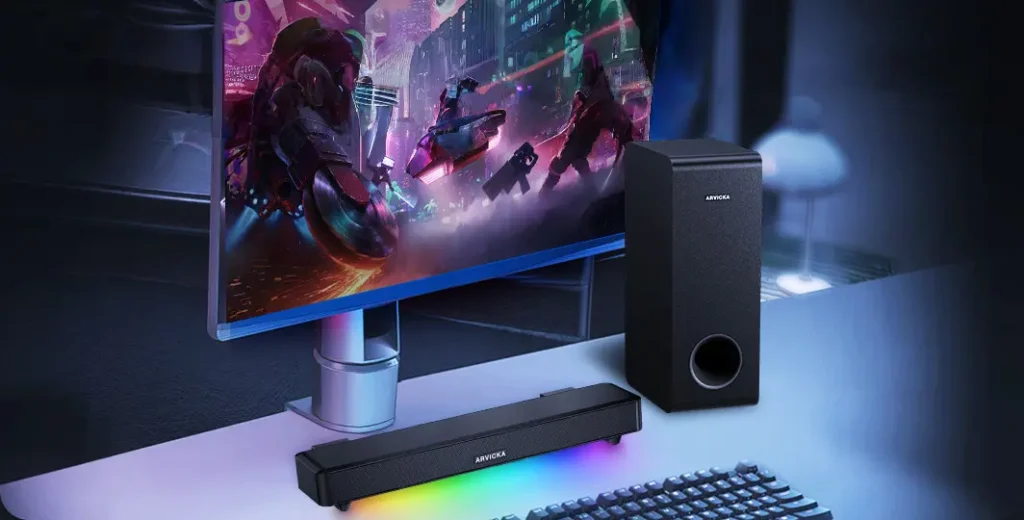
A brand specializing in gaming headphones came to me last year with a problem: they’d invested $15,000 in custom RGB lighting and a “gamified” mobile app, but their launch sales were 40% below projections. Consumer reviews highlighted two issues: “The RGB lighting drains the battery” and “I never use the app—I just want better sound for gaming.” They’d customized based on what they thought gamers wanted, not what gamers actually needed. After we helped them shift their customization focus to a detachable boom mic (for clear voice chat) and game-specific EQ presets (for footsteps and gunfire), their next 1000-unit run sold out in 3 weeks, and their review rating jumped from 3.8 to 4.6 stars.
Customization is a powerful tool for differentiating audio products—but only if it’s driven by consumer data, not guesswork. A 2025 GfK survey found that 65% of consumers will pay a 10–15% premium for customized products that solve their specific pain points, but 70% of “custom” audio products fail because they add features consumers don’t use. For B2B brands supplying components or building products for retail, the key to successful customization is understanding which features matter to your target audience—and which are just gimmicks.
The mistake most brands make is chasing trends (e.g., RGB lighting, apps) instead of listening to consumer feedback. Data-driven customization starts with asking: “What problems does my target consumer have that a standard product doesn’t solve?” For gamers, it’s clear voice chat and in-game sound clarity; for commuters, it’s noise cancellation and long battery life; for parents, it’s safety features and durability.
In this post, I’ll walk you through how to collect and analyze consumer data to identify high-impact customization opportunities, prioritize features that drive sales (not just costs), and implement them in a way that’s affordable for 1000+ unit runs. This isn’t just about adding “cool” features—it’s about building products that resonate with consumers on a deeper level, driving loyalty and repeat purchases.
Step 1: Collect Consumer Data to Identify Customization Opportunities
The first step in data-driven customization is gathering insights directly from your target consumers. This isn’t about focus groups (which can be biased)—it’s about collecting real-world feedback from people who already use similar products. Here are the four most effective data sources we use with our partners:
1. Competitor Review Analysis
Scrape reviews from your top 3–5 competitors on Amazon, Walmart, and retail websites. Look for:
- Pain points: Complaints about standard products (e.g., “The mic is too quiet for gaming,” “Ear tips hurt after 30 minutes”).
- Unmet needs: Requests for features that don’t exist (e.g., “I wish this had a detachable mic,” “I need a bass boost for workouts”).
- Loved features: Positive mentions of existing customizations (e.g., “The interchangeable ear tips are perfect for my small ears”).
We used this method for the gaming headphone brand: competitor reviews had 28% complaints about “poor mic quality” and 22% requests for “game-specific sound settings.” This data told us RGB lighting was a low priority—mic quality and EQ presets were the real opportunities.
2. Social Media Listening
Monitor social media platforms (Reddit, TikTok, Instagram) for conversations about your target audio category. Use tools like Hootsuite or Brandwatch to track keywords (e.g., “gaming headphones bad mic,” “commuter earbuds battery life”). Look for:
- Common complaints: Issues consumers post about (e.g., “My wireless earbuds die mid-commute”).
- Viral content: Videos/reels highlighting features consumers love (e.g., a TikTok about “earbuds that stay in during workouts”).
We helped a commuter earbud brand find a customization opportunity through Reddit: 50% of posts in r/commuting mentioned “needing earbuds that block subway noise but let me hear announcements.” This led to a hybrid noise cancellation (ANC + transparency mode) customization that became their top selling point.
3. Survey Your Existing Customers (Or Target Audience)
If you have an email list or social media following, send a short survey to your target audience. Ask open-ended questions like:
- “What’s the biggest problem with your current audio product?”
- “What feature would make you switch to a new brand?”
- “How much would you pay for [feature X]?”
Keep the survey short (5–7 questions) to maximize response rates. We helped a kids’ headphone brand survey 500 parents—80% said they’d pay $5 more for “volume-limiting controls that sync with school devices.” This led to a simple software customization that increased their average order value by $4.
4. Retail Partner Feedback
Your retail partners talk to consumers every day—they have invaluable insights into what sells and what doesn’t. Ask them:
- “What features do consumers ask for most?”
- “What customizations have led to the most returns?”
- “What price point are consumers willing to pay for customized features?”
A portable speaker brand we worked with learned from their retail partners that consumers wanted “waterproof cases for beach use” but weren’t willing to pay more than $10 for the feature. This led to a low-cost neoprene sleeve customization that boosted sales by 25%.
Step 2: Prioritize Customizations Using the “Impact-Cost Matrix”
Not all customization opportunities are equal—some are high-impact and low-cost, while others are low-impact and high-cost. The Impact-Cost Matrix helps you prioritize features that deliver the most value for your budget. Here’s how to use it:
| Quadrant | Description | Example Customizations for Audio Products | Action |
|---|---|---|---|
| High Impact, Low Cost | Solves a major pain point; affordable to implement (≤$1 per unit for 1000+ runs) | Detachable boom mics, interchangeable ear tips, EQ presets, branded cleaning cloths | Prioritize—these are your “quick wins” that drive sales without breaking the bank. |
| High Impact, High Cost | Solves a major pain point; expensive to implement (> $2 per unit) | Wireless charging, app-controlled customization, premium materials (leather ear cups) | Consider only if your target audience is willing to pay a premium (e.g., audiophiles, luxury consumers). |
| Low Impact, Low Cost | Nice-to-have features; affordable | Custom colorways, sticker sheets, branded carrying pouches | Add only if you have extra budget—don’t let these distract from high-impact features. |
| Low Impact, High Cost | Gimmicky features; expensive | RGB lighting, unnecessary apps, over-the-top designs | Avoid—these waste money and may lead to returns (e.g., battery drain from RGB). |
The gaming headphone brand’s initial customization (RGB lighting + app) fell into the Low Impact, High Cost quadrant. We helped them shift to High Impact, Low Cost features (detachable boom mic + EQ presets) that cost $0.80 per unit—saving them $15,000 in development costs and boosting sales.
Audio-Specific Customization Prioritization Examples
Let’s apply the matrix to common audio product categories:
Wireless Earbuds (Commuter Target)
- High Impact, Low Cost: Hybrid ANC + transparency mode ($0.75 per unit), interchangeable ear tips ($0.30 per unit).
- High Impact, High Cost: Wireless charging ($2.50 per unit).
- Low Impact, Low Cost: Custom color casings ($0.20 per unit).
- Low Impact, High Cost: App-controlled sound customization ($3.00 per unit).
Over-Ear Headphones (Gaming Target)
- High Impact, Low Cost: Detachable boom mic ($0.90 per unit), game-specific EQ presets ($0.50 per unit).
- High Impact, High Cost: 3D audio processing ($3.00 per unit).
- Low Impact, Low Cost: RGB lighting (if battery-efficient, $0.40 per unit).
- Low Impact, High Cost: Gamified mobile app ($2.00 per unit).
Portable Speakers (Outdoor Target)
- High Impact, Low Cost: Waterproof neoprene sleeve ($0.70 per unit), Bluetooth range booster ($0.50 per unit).
- High Impact, High Cost: Solar charging ($4.00 per unit).
- Low Impact, Low Cost: Custom logo printing ($0.15 per unit).
- Low Impact, High Cost: Built-in LED lights ($1.50 per unit).
Step 3: Implement Customizations Affordably for 1000+ Unit Runs
The key to affordable customization is working with suppliers who offer flexible, low-cost options. Here are three tactics we use with our partners:
1. Use Modular Component Design
Modular design lets you add or remove custom features without retooling your entire product. For example:
- A modular headphone design lets you offer both detachable and built-in mics (same base headphone, different mic component).
- A modular earbud design lets you offer different ear tip sizes or materials (same base earbud, different tips).
We helped a headphone brand implement a modular design that allowed them to offer 3 customization options (detachable mic, EQ presets, custom colorways) for the same base product. This reduced their tooling costs by 40% and let them test different customizations without large investments.
2. Partner With Suppliers Who Offer In-House Customization
Many component suppliers offer in-house customization at no extra cost for 1000+ runs. For example:
- Driver suppliers can add EQ presets to firmware ($0.50 per unit vs. $2.00 if outsourced).
- Casing suppliers can offer custom colors or logo printing ($0.20 per unit vs. $0.50 if outsourced).
We work with a driver supplier that offers EQ preset customization for their 10mm wireless earbud drivers at no additional cost for 1000+ runs. This saved a commuter earbud brand $1,500 on their customization budget.
3. Test Customizations With a Small Batch First
Before committing to 1000+ units, test your top 2–3 customizations with a small batch (200–300 units). Sell the test batch through your website or a single retail partner and track:
- Sales velocity (how fast they sell compared to standard products).
- Review feedback (do consumers mention the customization positively?).
- Return rate (are customizations causing issues like battery drain?).
We helped a portable speaker brand test their waterproof sleeve customization with a 250-unit batch. The batch sold 3x faster than standard speakers, and reviews mentioned the sleeve as a “must-have” for outdoor use. They scaled up to 1000 units with confidence.
Step 4: Market Customizations to Highlight Consumer Value
Customizations only drive sales if consumers know about them. Here’s how to market them effectively:
1. Focus on Benefits, Not Features
Instead of “detachable boom mic,” say “Detachable Boom Mic – Clear Voice Chat for Gaming (No More Muffled Calls).” Instead of “EQ presets,” say “Game-Specific EQ Presets – Hear Footsteps and Gunfire Before Your Opponents.”
2. Use Consumer Testimonials in Marketing
Include quotes from your test batch or survey respondents: “The interchangeable ear tips finally fit my small ears!” or “The hybrid ANC blocks subway noise but lets me hear announcements—perfect for my commute.”
3. Offer Customization as a “Build Your Own” Option
Let consumers choose their customizations (e.g., “Choose your ear tip size and color”). This increases engagement and makes the product feel more personal. We helped a headphone brand offer a “Build Your Own Gaming Headset” tool on their website—conversion rates increased by 18% compared to pre-customization sales.
Final Thoughts: Customization Is About Solving Consumer Pain Points
Data-driven customization isn’t about adding as many features as possible—it’s about adding the right features that solve real consumer problems. By collecting and analyzing consumer data, prioritizing high-impact, low-cost features, and implementing them affordably, you’ll build audio products that stand out in a crowded market, drive sales, and earn loyal customers.
We’ve helped dozens of audio brands implement data-driven customization, and the ones that succeed are the ones who listen to consumers first. Whether you’re building wireless earbuds, gaming headphones, or portable speakers, take the time to understand what your target audience really wants—you’ll avoid costly gimmicks and build products that consumers love (and buy again).