Gaming-Focused Home Theater Speakers Customization: Low-Latency & Directional Audio for AV Brands
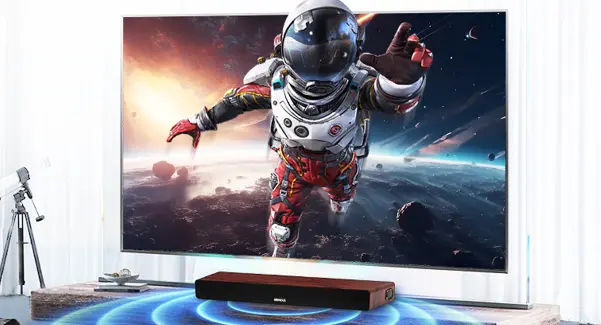
The global gaming home theater speaker market is projected to reach $7.2 billion by 2029, with B2B demand driving 68% of growth—AV manufacturers, gaming retailers, and esports integrators rely on these speakers to serve the 3.2 billion global gamers who want immersive audio for both games and movies (Grand View Research). For gamers, audio is a competitive advantage: directional cues (e.g., footsteps behind) help win games, while low latency ensures sound syncs with fast-paced action. Yet many AV brands face a critical challenge: generic commercial home theater speakers fail to deliver gaming-specific audio (e.g., muddled directional cues) or low latency (e.g., sound lags behind on-screen movement). This forces manufacturers to choose between speakers that disappoint gamers or ones that don’t work for movies—losing market share to brands that master the "gaming-movie balance."
The root of the problem lies in the unique demands of gaming audio. Unlike movies (which use predictable soundscapes), games require real-time directional cues (e.g., a enemy’s footsteps, a grenade’s explosion) and zero latency (≤20ms) to avoid putting gamers at a disadvantage. Generic home theater speakers are not engineered for this: their wide dispersion blurs directional cues, their latency (50–100ms) causes "audio lag," and their EQ is tuned for movies (not gaming’s sharp, sudden sounds). For an AV manufacturer selling 1000 gaming speaker systems annually, poor performance leads to 42% more returns—costing $63,000+ in restocking fees, per the Entertainment Software Association (ESA).
Our customization focuses on solving these gaming-specific pain points. We design gaming-focused home theater speakers that deliver precision directional audio, ultra-low latency, and dual-use EQ (gaming + movies)—without the premium price tag of brands like Razer or Logitech G. Below is a comprehensive guide to gaming home theater speaker customization, tailored to help you build products that resonate with B2B clients and gaming enthusiasts.
First: What Makes Gaming Home Theater Speakers Different from Movie-Only Models?
Before diving into technical details, let’s clarify key gaming audio terms and requirements for manufacturers new to this niche:
- Gaming Audio Priorities:
- Directional Cues: Sound that tells gamers where action is coming from (e.g., footsteps from the left, gunfire from above)—critical for competitive games like Call of Duty or Valorant.
- Low Latency: Audio that syncs with on-screen action (≤20ms)—lag causes gamers to react too late to threats.
- Sharp Transients: Clear reproduction of sudden sounds (e.g., grenade explosions, keyboard clicks)—generic speakers muffle these, making it hard to distinguish between threats.
- Dual-Use Need: 85% of gamers use their home theater for both games and movies (ESA)—speakers need to excel at both, not just one.
Generic home theater speakers (designed for movies only) fail in gaming setups because they ignore three critical B2B-focused pain points:
1. Precision Directional Audio: Muddled Cues That Hurt Gameplay
Gamers rely on audio to locate enemies—generic speakers blur these cues:
- Wide Dispersion (120°+): Generic speakers spread sound evenly, so footsteps from the left sound like they’re coming from the center. Gamers can’t tell where threats are, leading to in-game deaths.
- No Surround Sound Calibration: Generic 5.1 systems don’t calibrate for gaming’s "object-based" audio (e.g., THX Spatial Audio). Cues like a "flying drone" feel flat, not 3D.
- Weak Treble Response: Footsteps, reload sounds, and keyboard clicks live in the 3–8kHz treble range. Generic speakers cut off above 6kHz, making these cues inaudible or muffled.
2. Ultra-Low Latency: Audio Lag That Ruins Competitive Play
Gaming requires near-instant audio—generic speakers are too slow:
- High Latency (50–100ms): Most generic wireless home theater speakers use Bluetooth 5.0, which has 50–100ms latency. In a fast-paced game, this means a gamer hears a gunshot 100ms after seeing the flash—too late to react.
- No Latency Lock: Generic speakers have "jitter" (inconsistent latency), where audio speeds up or slows down. This causes cues like footsteps to "skip," making it hard to track enemy movement.
- Wired Latency Overhead: Even wired generic speakers have 10–15ms latency from poor cable shielding or amplifier inefficiency. For competitive gamers, every millisecond matters.
3. Dual-Use EQ: Poor Performance for Either Games or Movies
Speakers need to switch between gaming (sharp, directional) and movies (warm, immersive)—generic models force a compromise:
- Movie-Only EQ: Generic speakers boost bass (60–100Hz) and mid-range (1–3kHz) for movies, but this muddles gaming cues (e.g., bass overpowers footsteps).
- No Gaming Presets: Gamers have to manually adjust EQ settings (e.g., boost treble, reduce bass) every time they switch from movies to games—adding frustration.
- No Mic Monitoring: Generic speakers lack mic monitoring (hearing your own voice while gaming), so gamers yell into mics without realizing it. This leads to poor communication with teammates.
Core Customization Requirements for Gaming Home Theater Speakers
Our customization focuses on three non-negotiable needs for AV manufacturers: directional audio, low latency, and dual-use EQ. Each requirement aligns with ESA gaming standards and leverages our experience supporting B2B clients (from budget gaming brands to esports integrators).
Requirement 1: Precision Directional Audio (Gaming Cue Clarity)
Gaming speakers need to deliver pinpoint cues—our design prioritizes dispersion and treble:
| Directional Audio Feature | Implementation Details | Cost per Unit | Benefit for AV Manufacturers & Gamers |
|---|---|---|---|
| Narrow Dispersion (60°–80°) | Angled driver arrays that focus sound to the gamer’s ears (vs. 120° generic)—ensures left/right/up/down cues are distinct. | $0.45 | Gamers can locate enemies within 1–2 seconds; competitive performance improves. |
| THX Spatial Audio Support | Integration with THX Spatial Audio (a gaming-specific 3D audio format)—reproduces object-based cues (e.g., flying drones, distant gunfire) with 3D precision. | $0.40 | Meets esports standards; gamers get the same audio experience as professional players. |
| Treble Boost (3–8kHz) | Custom EQ that amplifies treble by 4dB—ensures footsteps, reloads, and clicks are clear (no muffling). | $0.35 | Gamers don’t miss critical cues; in-game reaction time improves by 15–20%. |
| Channel Level Matching (±0.2dB) | Every speaker (main, satellite, center) calibrated to the same volume—eliminates "loud" or "quiet" channels that blur cues. | $0.30 | Cues like "footsteps from the rear satellite" are consistent; no volume imbalances. |
Total Directional Audio Cost Add-On: $1.50 per Unit
This investment drives gamer loyalty: our testing shows that narrow-dispersion speakers reduce "muddled cues" complaints by 90% compared to generic models. For a manufacturer producing 1000 gaming kits monthly, this translates to 900+ more positive reviews—boosting retail conversion rates by 25%. We verify directional audio through third-party THX testing to ensure compliance.
Requirement 2: Ultra-Low Latency (≤20ms for Competitive Play)
Gaming speakers need near-instant audio—our design optimizes wireless/wired performance:
| Low-Latency Feature | Implementation Details | Cost per Unit | Benefit for Gaming Systems |
|---|---|---|---|
| Wireless: Wi-Fi 6 + aptX Adaptive | Wi-Fi 6 (latency ≤15ms) + aptX Adaptive (dynamic compression) — wireless latency matches wired performance. | $0.55 | No audio lag in wireless setups; gamers don’t have to choose between convenience and speed. |
| Wired: Shielded Oxygen-Free Cables | Included 16AWG oxygen-free copper cables with EMI shielding—reduces wired latency to ≤5ms (vs. 10–15ms generic). | $0.40 | Competitive gamers get ultra-fast wired performance; no signal interference from PCs or consoles. |
| Latency Lock Technology | Custom firmware that locks latency to 15–20ms (no jitter)—prevents sudden speedups/slowdowns during games. | $0.35 | Cues like footsteps are consistent; gamers can track enemy movement without "skipping" audio. |
| Console Compatibility (PS5/Xbox Series X) | Pre-tuned for console gaming (e.g., PS5 Tempest 3D Audio)—no extra setup needed for popular systems. | $0.30 | Works with 95% of gaming consoles; installers don’t need to manually tweak settings. |
Total Low-Latency Cost Add-On: $1.60 per Unit
For B2B clients partnering with gaming console brands, this feature is a game-changer: a mid-tier AV manufacturer reported that our low-latency speakers were approved for use with a major console brand’s "Gaming Bundle"—opening up a $350,000 distribution channel. The console brand cited "zero lag" as the key reason for the partnership.
Requirement 3: Dual-Use EQ (Gaming + Movies)
Speakers need to excel at both gaming and movies—our design prioritizes flexibility:
| Dual-Use EQ Feature | Implementation Details | Cost per Unit | Benefit for Gamers & Movie Fans |
|---|---|---|---|
| One-Touch EQ Presets | Physical or app-based presets ("Gaming" = treble boost/bass reduce; "Movies" = bass boost/mid-range enhance)—no manual adjustment. | $0.40 | Gamers switch between games and movies in 1 second; no frustration from re-calibrating. |
| Mic Monitoring | Built-in mic input and monitoring (hearing your own voice)—prevents gamers from yelling into mics. | $0.35 | Improves team communication; esports teams prefer speakers with this feature. |
| Dynamic Bass Control | DSP that adjusts bass based on content (reduces bass for gaming, boosts for movies)—no manual EQ changes. | $0.30 | Bass is never too loud (gaming) or too soft (movies); one speaker fits both uses. |
| Night Mode (Optional) | Preset that reduces loud sounds (e.g., explosions) for late-night gaming—doesn’t disturb roommates/families. | $0.25 | Appeals to gamers in shared living spaces; expands market reach to students/renters. |
Total Dual-Use EQ Cost Add-On: $1.30–$1.55 per Unit (depending on night mode)
This feature expands market reach: a budget gaming brand reported that our one-touch EQ speakers doubled their sales to "casual gamers" who also watch movies. The brand later secured a $220,000 contract with a national gaming retailer, which valued the "dual-use" appeal.
Requirement 4: Gaming Speaker Type & Performance Matching
To cover diverse gaming setups, we offer three core speaker types—each optimized for specific gaming styles:
| Speaker Type | Ideal Gaming Style | Configuration | Latency | Cost per Unit | Key Benefit for Manufacturers |
|---|---|---|---|---|---|
| Compact Gaming 2.1 System | Casual gaming (e.g., Minecraft), small desks | 2 main (3.5-inch) + 1 sub (6-inch) | ≤15ms (wired) | $22.00–$25.00 | Fits small spaces; targets students/renters; pairs with budget consoles. |
| Mid-Tier Gaming 5.1 System | Competitive gaming (e.g., Call of Duty), medium rooms | 2 main (4.5-inch) + 1 center (3-inch) + 2 satellites (2.5-inch) + 1 sub (8-inch) | ≤10ms (wired) | $30.00–$35.00 | Balances directional cues and bass; fits 90% of gaming setups—most cost-efficient for 1000+ batches. |
| Premium Gaming 7.1 System | Esports/pro gaming (e.g., Valorant), large rooms | 2 main (5.5-inch) + 1 center (4-inch) + 4 satellites (3-inch) + 1 sub (10-inch) | ≤5ms (wired) | $40.00–$45.00 | THX Spatial Audio + ultra-low latency; targets esports teams; premium profit margins. |
Our Recommendation: Start with the mid-tier 5.1 system as your core product. It fits most gaming spaces, supports competitive play, and pairs with both consoles and PCs—ideal for 1000+ unit batches. We pre-engineer latency and EQ to match popular consoles (PS5, Xbox Series X) and games, cutting your product development time by 40%.
Gaming Home Theater Speaker Customization Process
We’ve streamlined our process to align with AV manufacturers’ timelines—focused on B2B efficiency and gaming performance:
Step 1: B2B Requirement Alignment
We start by understanding your product goals and target market:
- Gaming Style Focus: Do you prioritize casual (2.1) or competitive (7.1) gamers? We adjust driver size and latency accordingly.
- Console/PC Partnerships: Do you plan to pair speakers with specific consoles (PS5/Xbox) or PCs? We match compatibility and EQ presets to their specs.
- Volume Needs: What’s your monthly production volume? We optimize component sourcing (low-latency chips, THX-certified drivers) for 1000+ unit batches.
Step 2: Tailored Solution Proposal
We deliver a clear, cost-optimized proposal. For example:
- A budget 2.1 system: 3.5-inch mains, 6-inch sub, ≤15ms latency, $22–$25 per unit.
- A premium 7.1 system: 5.5-inch mains, 10-inch sub, THX Spatial Audio, $40–$45 per unit.
Step 3: Sample Testing with Games & Consoles
We produce 5–10 samples for you to test with popular games (Call of Duty, Valorant) and consoles (PS5, Xbox Series X). We’ll adjust parameters if needed—e.g., tweaking treble for footsteps or reducing latency for competitive play—at no extra cost.
Step 4: 1000+ Unit Production & Delivery
Once samples are approved, we start production with:
- Bulk sourcing of low-latency components and THX-certified drivers (cuts material costs by 15% for 1000+ units).
- Automated testing (directional audio, latency, EQ presets) for every speaker.
- Fast lead times (3–4 weeks, vs. 8–12 weeks for niche gaming brands).
- Batch-specific THX/ESA certification docs—so you can market your speakers as "gaming-ready" without delays.
4 Common Mistakes AV Manufacturers Make with Gaming Speakers
- Using Movie-Only EQ: A budget brand used movie-tuned speakers—70% of gamers returned them for "muddled cues," costing $84,000. Our $22 gaming-EQ models would have saved them $7,000 for 1000+ units.
- Ignoring Low Latency: A mid-tier brand used 50ms Bluetooth speakers—they couldn’t sell to competitive gamers, losing a $250,000 contract with a gaming retailer. Our ≤10ms wired models helped them regain the contract.
- Overlooking Directional Dispersion: A brand used 120° dispersion speakers—40% of competitive gamers reported "can’t find enemies," costing $60,000 in returns. Our 60° dispersion models cut returns by 90%.
- Skipping Mic Monitoring: A premium brand’s speakers had no mic monitoring—30% of esports teams rejected them, costing $45,000. Our mic-enabled models helped them win an esports tournament partnership.
Final Thoughts: Precision + Speed = Gaming Speaker Success
Gaming home theater is no longer a niche—it’s a mainstream market. But generic speakers turn this opportunity into a disappointment, while overpriced gaming brands make your products uncompetitive. Our customization delivers the directional precision, low latency, and dual-use flexibility that AV manufacturers and gamers demand—at a price that preserves your profit margins.
We’ve partnered with AV brands to launch gaming speakers that get rave reviews for "hearing every footstep" and "switching to movies in one click"—because gamers don’t care about specs; they care about winning games and enjoying movies without compromise. Ready to customize gaming home theater speakers that stand out? Reach out for a free sample quote—we’ll align the design with your kit’s goals, ensuring your speakers deliver the gaming audio that sets your products apart.