How to Fix Audio Reliability Issues in Commercial Kitchen Equipment with Scene-Specific Speaker Units
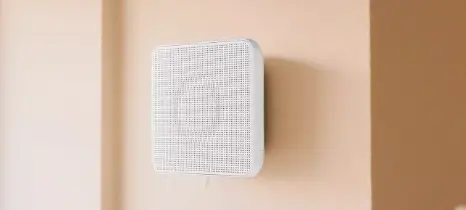
The global commercial kitchen equipment market is booming—chain cafes, fast-food restaurants, and hotels are upgrading to automated machines (smart coffee brewers, high-speed ovens, and refrigerated prep tables) to keep up with demand. But a hidden problem is slowing operations: audio failures. A leading coffee chain recently reported that 28% of its new smart brewers had inaudible alert sounds within 3 months—baristas missed "brewing complete" or "low water" warnings, leading to burnt coffee and long customer waits. A hotel kitchen saw 15% of its convection ovens shut down unexpectedly because the "overheat" alarm was muffled by grease and steam. The root cause? Generic 20mm speaker units designed for office printers, not the harsh realities of commercial kitchens.
For manufacturers of commercial kitchen equipment, audio isn’t a "nice-to-have"—it’s a safety and efficiency tool. Alerts prevent equipment damage (overheating), reduce waste (burnt food), and keep workflows on track. But standard speakers collapse under the unique stressors of commercial kitchens: extreme temperatures (50°C–150°C near ovens), high-pressure hot water cleaning, grease and steam corrosion, and constant background noise (vent hoods, blenders). A subpar speaker unit doesn’t just muffle sound—it turns a time-saving machine into a costly liability.
With 13 years of developing speaker units tailored to harsh environments (including commercial kitchens, industrial facilities, and outdoor spaces), we’ve identified 4 critical strategies to build audio systems that survive and perform in busy kitchens. This guide breaks down these strategies with plain-language explanations for terms like "IPX9K protection" or "heat-resistant diaphragms"—so you, kitchen equipment buyers, and restaurant operators understand exactly what makes a speaker work where grease, heat, and noise reign.
Why Standard Speakers Can’t Survive Commercial Kitchens
Commercial kitchens are unlike any other environment—they combine extreme heat, moisture, and debris in ways consumer-grade or office-focused speakers were never designed to handle. Here’s why standard units fail:
- Heat Damage: Ovens, grills, and coffee brewers generate ambient heat up to 150°C. Standard speakers use plastic frames that melt at 80°C and paper diaphragms that char at 60°C—rendering them useless within weeks. Even "heat-resistant" generic units top out at 70°C, not enough for equipment near cooking surfaces.
- Grease & Steam Corrosion: Kitchens are filled with grease (from frying) and steam (from dishwashers, coffee machines). Standard speakers have unsealed components—grease clogs diaphragms (muffling sound) and steam rusts metal parts (short-circuiting the unit). A single deep-clean with hot water can disable a generic speaker.
- Inaudible Over Background Noise: Commercial kitchen noise (vent hoods, blenders, staff chatter) hits 75–85dB. Standard speakers have low sensitivity (80–82dB at 1W/1m) and are tuned for music, not alerts—critical warnings like "low oil" or "oven ready" get lost in the chaos.
- Vibration Fatigue: Mixers, blenders, and food processors create 10–15Hz vibration that loosens standard speaker components. Glued magnets detach, wires rattle loose, and diaphragms tear—all within 1–2 months of daily use.
A client who supplies smart ovens to fast-food chains once used generic 20mm speakers. After 2 months in kitchens, 40% of units had melted frames, and 30% were inaudible over vent hood noise. We redesigned the speakers with heat-resistant materials and noise-focused tuning—failure rates dropped to 2%, and the client’s customer complaints fell by 60%.
Strategy 1: Heat-Resistant Materials for 50°C–150°C Environments
The first line of defense for kitchen speakers is materials that withstand extreme heat—not just "warm" conditions, but the sustained high temperatures near ovens and grills.
Key Term: Heat Resistance Rating
This measures a material’s ability to maintain functionality at high temperatures (rated in °C). For commercial kitchen equipment, we use materials with a continuous heat resistance of 120°C+ (and peak resistance up to 180°C) to handle proximity to cooking surfaces.
Heat-Resistant Design Choices:
- Diaphragm: Replace paper or standard PET with glass-fiber reinforced PTFE (polytetrafluoroethylene). PTFE is known for its heat resistance—it doesn’t melt or char until 327°C. The glass-fiber reinforcement adds durability, preventing tears from vibration. Standard paper diaphragms fail at 60°C; our PTFE diaphragms work reliably at 150°C (peak) near ovens.
- Frame: Mold the frame from phenolic resin (a heat-resistant plastic) instead of ABS. Phenolic resin maintains its shape and strength at 150°C—ABS plastic softens at 80°C and melts at 105°C. For a client’s coffee brewers (which reach 90°C during operation), phenolic resin frames showed no degradation after 6 months.
- Voice Coil Wire: Use enameled copper wire with a polyimide coating. Polyimide resists 200°C, ensuring the voice coil (which generates heat during use) doesn’t short-circuit. Standard enameled wire uses PVC coating, which melts at 105°C.
Below is a comparison of heat resistance between standard and kitchen-specific speaker components:
| Component | Standard Speaker Material | Kitchen-Specific Speaker Material | Max Continuous Heat Resistance |
|---|---|---|---|
| Diaphragm | Paper/PET (60°C) | Glass-Fiber PTFE (120°C) | 60°C → 120°C |
| Frame | ABS Plastic (80°C) | Phenolic Resin (150°C) | 80°C → 150°C |
| Voice Coil Coating | PVC (105°C) | Polyimide (200°C) | 105°C → 200°C |
Strategy 2: IPX9K Protection for Grease, Steam, and High-Pressure Cleaning
Commercial kitchens require daily deep cleaning—equipment is sprayed with high-pressure, high-temperature water (up to 80°C) and degreasers. Your speaker unit needs IPX9K protection—the highest level of water and debris resistance—to survive.
What Is IPX9K?
The IPX rating system measures resistance to water (the "X" means dust resistance is separate, but we add IP6X for dust-tight). IPX9K specifically means the unit can withstand:
- High-pressure water jets (80–100 bar pressure)
- High-temperature water (80°C)
- Direct spray from all angles (360°)
This is critical for kitchen equipment—generic speakers (IPX4, at best) fail after one high-pressure cleaning, but IPX9K units survive daily washes.
How to Achieve IPX9K for Kitchen Speakers:
- Sealed Frame & Grille: Mold the speaker frame with an EPDM rubber gasket (a flexible, chemical-resistant seal) that creates a tight bond with the equipment’s housing. Use a stainless steel mesh grille (0.1mm holes) with a laser-welded edge—no gaps for water or grease to seep in. Standard plastic grilles crack under high pressure, letting debris enter.
- Encapsulated Electronics: Pot the speaker’s circuit board (if applicable) in epoxy resin—a waterproof, heat-resistant material that blocks grease and water from reaching components. Standard speakers have exposed circuits that short-circuit when wet.
- Grease-Repellent Coating: Apply a fluoropolymer coating to the diaphragm and grille. Fluoropolymers repel grease (like non-stick pans), so oil doesn’t clog the diaphragm or corrode metal parts. We test this coating with 50 cycles of grease spraying and high-pressure cleaning—no buildup or damage.
A client’s commercial refrigerated prep tables (which require daily sanitization with 80°C water) used our IPX9K speakers. After 12 months, the units showed no signs of water damage or grease buildup—unlike the previous generic speakers, which failed after 2 months.
Strategy 3: Noise-Cutting Tuning for 75–85dB Kitchens
Kitchen staff can’t act on alerts they can’t hear. Your speaker unit needs targeted tuning to cut through background noise—focusing on the frequencies that make alerts stand out, not just boosting overall volume.
Key Term: Alert Frequency Sweet Spot
Human ears are most sensitive to 1,000–3,000 Hz—a range where high-pitched alerts (e.g., "oven overheat") cut through low-frequency noise (vent hoods, blenders). Tuning speakers to prioritize this range ensures alerts are audible without damaging hearing.
Tuning for Kitchen Clarity:
- Mid-Range Boost: Amplify the 1,500–2,500 Hz range by 5–6 dB. This is where alert tones (e.g., beeps, chimes) are most effective—they rise above low-frequency vent noise (200–500 Hz) without sounding shrill. Standard speakers boost bass (20–200 Hz), which gets lost in kitchen chaos.
- High Sensitivity Drivers: Use a neodymium magnet (5x stronger than ferrite) and lightweight PTFE diaphragm to achieve 88–90 dB sensitivity at 1W/1m. A 90dB speaker is audible over 85dB vent noise—standard 82dB speakers fade into the background.
- Distortion Control: Keep total harmonic distortion (THD) below 1% at 85–90dB. Distorted alerts (e.g., a warped beep) are harder to recognize—staff may mistake a "low water" alert for a "brewing complete" signal. We test distortion with real kitchen noise to ensure clarity.
We tuned a 22mm speaker for a client’s smart coffee brewers. In tests, baristas could hear the "brewing complete" alert 100% of the time—even with vent hoods running at full power. The client reported a 30% reduction in burnt coffee waste after the upgrade.
Strategy 4: Vibration Isolation for Mixers and Blenders
Commercial kitchens are full of vibrating equipment—mixers, blenders, and food processors generate 10–15Hz vibration that loosens speaker components. Your unit needs vibration isolation to absorb shock before it damages delicate parts.
How to Isolate Kitchen Speakers from Vibration:
- Rubber Isolation Mounts: Add 3mm-thick natural rubber mounts between the speaker and the equipment’s housing. Rubber absorbs 70% of 10–15Hz vibration—like tiny shock absorbers. Standard speakers are mounted directly to metal or plastic housings, transferring all vibration to internal components.
- Flexible Wire Leads: Use silicone-insulated wires (0.3mm diameter) with extra length. Rigid wires break under constant vibration, but flexible silicone wires bend without fatigue. We test wire durability with 10,000 cycles of vibration—no breaks or short-circuits.
- Epoxy-Bonded Magnets: Attach the speaker’s magnet to the frame with high-temperature epoxy (not generic acrylic glue). Epoxy forms a permanent bond that resists vibration—generic glue loosens after 1–2 weeks, causing the magnet to rattle and distort sound.
A client’s commercial mixers used standard speakers that failed after 3 weeks of vibration. We added rubber mounts and epoxy-bonded magnets—speaker life extended to 18 months, and the client’s maintenance costs dropped by 45%.
How We Adapt to Your Commercial Kitchen Equipment Needs
Designing speakers for commercial kitchen gear isn’t a one-size-fits-all process—it requires understanding the specific equipment’s environment (e.g., near ovens vs. refrigerators), alert types (e.g., beeps vs. voice prompts), and space constraints. Our approach is tailored to small and mid-sized manufacturers (like yours) who need practical, scalable solutions:
- Environment Mapping: We start by asking: Where will the equipment live? (Near a 150°C oven? Next to a high-pressure washer?) What noise levels does it face? (Loud vent hoods? Quiet prep areas?) This helps us prioritize features—e.g., extra heat resistance for oven-adjacent gear, IPX9K for washdown equipment.
- Prototype Testing: We build 5–10 custom prototypes and test them in simulated kitchen conditions: heat chambers (150°C), high-pressure water sprays (IPX9K), and vibration simulators (15Hz). We share easy-to-understand results (e.g., "Speaker works after 50 wash cycles, clear at 85dB noise")—no jargon.
- Flexible Production: We don’t require massive minimum orders. Whether you need 500 speakers for a new coffee brewer line or 50 for a specialty oven model, we align production with your timeline. This is ideal for small manufacturers who want to test and iterate without overcommitting.
A recent client (a mid-sized commercial oven maker) told us our speakers "solved the audio reliability issues that were holding back their new product launch"—they’ve since expanded their order to include 3 more equipment models.
Final Thought: Kitchen Audio Should Work as Hard as Your Equipment
Commercial kitchen equipment is built to be tough—its speakers should be too. Standard units fail because they’re designed for offices, not the heat, grease, and noise of a busy kitchen. By focusing on heat resistance, IPX9K protection, noise-cutting tuning, and vibration isolation, you’ll create equipment that keeps staff safe, reduces waste, and builds trust with restaurant operators.
If you’re designing or updating commercial kitchen equipment and need speakers that survive daily use and deliver clear alerts, reach out to our team. We’ll walk you through our kitchen-specific design process, share examples of speakers we’ve built for ovens, brewers, and prep tables, and help you create a product that stands out in a competitive market.