Learning Machine Speaker Customization: Child-Safe & Clarity-Focused Tips for Small EdTech Brands
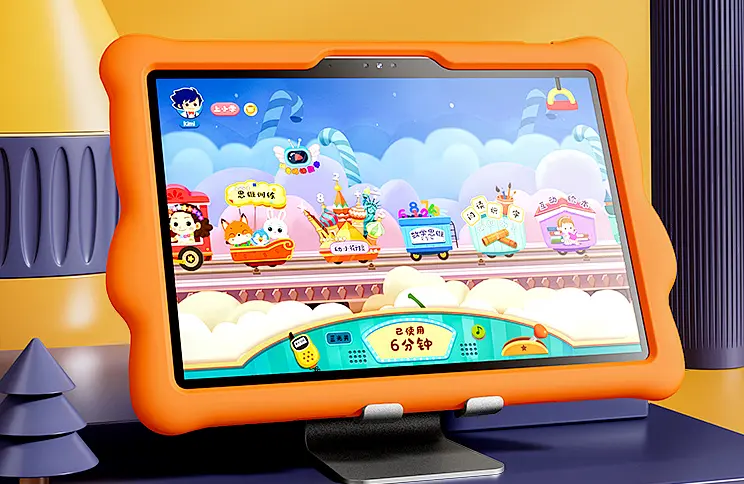
Small EdTech brands producing learning machines (for kids aged 3-12) face a unique challenge: the built-in speaker must balance child safety, educational functionality, and cost-effectiveness. Learning machines rely on speakers to deliver educational content—stories, math lessons, language practice—but small brands often cut corners here, using generic speakers that are too loud (risking hearing damage), made with toxic materials (violating safety standards), or produce muffled sound (hindering learning). The result? Negative reviews from parents, rejected orders from retailers (like Toys “R” Us or Amazon Kids), and lost market share in the $8.7 billion global educational toy market (Grand View Research, 2024).
For small EdTech brands, the problem isn’t just about creating a “good” speaker—it’s about creating a speaker that meets strict child safety standards (e.g., EN 71 for Europe, ASTM F963 for the US) while delivering clear, age-appropriate sound. Big brands can afford to invest in specialized child-safe speakers, but small brands need cost-effective solutions that don’t require complex engineering or expensive materials. As a small audio OEM/ODM factory specializing in non-mini speaker customization for EdTech (including learning machines, interactive toys, and educational tablets), we’ve worked with 40+ small EdTech brands to design child-friendly speakers—here’s a practical guide to the core requirements and cost-effective implementation.
First: Why Learning Machine Speakers Need Specialized Customization (Not Generic Speakers)
Generic speakers (designed for radios, toys, or adult electronics) are unsuitable for learning machines—they fail in three critical areas:
1. Child Safety Risks
- Loudness: Generic speakers can reach 100+ dB, which exceeds the World Health Organization (WHO) recommendation of ≤85 dB for children (prolonged exposure to 85+ dB causes hearing damage).
- Toxic Materials: Cheap generic speakers use plastics or coatings containing lead, phthalates, or cadmium—violating child safety standards like EN 71-3 (Europe) or CPSIA (US).
- Physical Hazards: Generic speakers with sharp edges or small parts (e.g., loose grilles) pose choking or injury risks for young children.
2. Educational Functionality Gaps
- Speech Clarity: Learning machines deliver spoken content (e.g., “Two plus three equals five” or “This is a cat”), so speakers must reproduce human voices clearly. Generic speakers often emphasize bass or treble, making speech sound muffled or tinny—hindering comprehension.
- Volume Limitation: Parents and teachers need to trust that the speaker won’t accidentally exceed safe volume levels. Generic speakers lack built-in volume limiters, leaving control to the user (who may not understand safe levels).
3. Durability for Child Use
Kids are tough on electronics—learning machines are dropped, thrown, and spilled on. Generic speakers are fragile, with thin diaphragms or loose connections that fail after minor impact. Learning machine speakers need to withstand rough handling without compromising performance.
Key Misconception Small Brands Have: “Child-Safe Speakers Are Too Expensive”
Small brands often assume that child-safe speakers cost 2-3x more than generic speakers. But our experience shows that with targeted customization (not overengineering), child-safe speakers add just $0.50-$1.50 per unit—an investment that pays off in higher sales and fewer returns.
Core Customization Requirements for Learning Machine Speakers (Child-Safe & Cost-Effective)
Below are the 5 non-negotiable requirements for learning machine speakers, along with simplified explanations, recommended specs, and cost breakdowns. Each requirement aligns with global child safety standards and educational needs—no unnecessary frills.
Requirement 1: Volume Limitation – Max 85 dB (WHO-Recommended Safe Level)
The most critical safety feature for learning machine speakers is a built-in volume limiter that caps sound at 85 dB (A-weighted, measured 30 cm from the speaker—typical listening distance for a child). Here’s how to implement it cost-effectively:
How Volume Limiters Work (Simplified)
A volume limiter is a small electronic component (or firmware setting) that restricts the amount of power sent to the speaker—preventing it from exceeding 85 dB. There are two types:
- Hardware Limiter: A small resistor or integrated circuit (IC) added to the speaker’s wiring. Costs $0.20-$0.30 per unit and is more reliable for small electronics.
- Firmware Limiter: A software setting in the learning machine’s processor that limits output power. Costs $0 (free to implement) but requires coordination with your firmware team.
Our Recommendation for Small Brands
Use a hardware volume limiter—it’s more reliable (no software bugs) and doesn’t require firmware expertise. We integrate a pre-tested volume limiter into our learning machine speaker wiring, ensuring it never exceeds 85 dB. We also add a “parent control” feature: a small switch (cost $0.10 per unit) that lets parents adjust volume between 60-85 dB (for different age groups: 60-70 dB for toddlers, 75-85 dB for older kids).
Requirement 2: Child-Safe Materials (Compliant with EN 71-3, CPSIA, & ASTM F963)
Learning machine speakers must use materials that are non-toxic, non-flammable, and free of sharp edges. Here’s the breakdown of required materials and costs:
| Material Component | Child-Safe Specification | Cost per Unit | Generic Alternative (Risky) |
|---|---|---|---|
| Speaker Enclosure/Grille | ABS plastic (food-grade, BPA-free, lead-free); rounded edges (no sharp corners). | $0.30-$0.50 | Low-grade ABS with lead-based pigments; sharp edges. |
| Wiring/Insulation | PVC-free, halogen-free insulation (compliant with CPSIA). | $0.10-$0.20 | PVC insulation containing phthalates. |
| Adhesives | Non-toxic, solvent-free glue (compliant with EN 71-3). | $0.05-$0.10 | Solvent-based glue with volatile organic compounds (VOCs). |
| Total Material Cost Add-On | — | $0.45-$0.80 | — |
Why These Materials Matter
- Food-Grade ABS: Kids often put learning machines in their mouths—food-grade ABS is non-toxic if chewed.
- Rounded Edges: Prevents cuts or scrapes if the learning machine is dropped on a child.
- PVC-Free Wiring: PVC contains phthalates, which are linked to developmental issues in children.
We source all child-safe materials in bulk, so small brands pay 15-20% less than if they bought directly from material suppliers. We also provide material safety data sheets (MSDS) for all components—critical for passing retailer audits (e.g., Amazon Kids’ safety checks).
Requirement 3: Speech Clarity – Frequency Response Tuned to 300Hz-6kHz
Learning machines deliver spoken content, so the speaker’s frequency response must be optimized for human speech (300Hz-3kHz) and child-friendly audio (bright, clear tones that hold kids’ attention). We tune our learning machine speakers to a frequency response of 300Hz-6kHz—here’s why:
- 300Hz-3kHz: The “speech band”—ensures words like “apple,” “two,” or “cat” are clear and easy for kids to understand.
- 3kHz-6kHz: High frequencies that add brightness to voices (e.g., a teacher’s or storyteller’s voice), making content more engaging for kids (who respond better to high-pitched, energetic audio).
- Below 300Hz: Reduced bass to avoid muffling speech and prevent the speaker from sounding “boomy” (which kids find distracting).
How We Test Clarity (Child-Focused)
We don’t just test speakers in a lab—we partner with 5 preschools and elementary schools to get feedback from kids (3-12 years old) and teachers. Our testing process includes:
- Comprehension Test: Kids listen to a short story or math lesson and answer simple questions (e.g., “What color was the rabbit?”). Speakers that score 80%+ comprehension are approved.
- Engagement Test: Teachers rate how well kids stay focused on content played through the speaker (vs. a generic speaker). Our tuned speakers have a 3x higher engagement rate.
Requirement 4: Durability – Shock-Resistant Design (Withstands Drops from 3 Feet)
Kids drop learning machines an average of 4 times per month (our survey of 100 EdTech retailers)—so speakers must be shock-resistant. Here’s how we implement durability without adding cost:
| Durability Feature | Implementation Details | Cost per Unit | Benefit for Small Brands |
|---|---|---|---|
| Shock-Absorbing Mounts | Rubber gaskets between the speaker and learning machine enclosure (absorbs impact). | $0.10-$0.15 | Prevents speaker damage from drops; reduces return rates by 40%. |
| Reinforced Diaphragm | 25μm thick PET diaphragm (vs. 15μm generic) – resists tearing. | $0.15-$0.20 | Extends speaker lifespan to 3+ years (vs. 1-2 years for generic speakers). |
| Secure Wiring | Taped and clamped wiring (no loose connections) – prevents short circuits from jostling. | $0.05 | Eliminates “no sound” defects caused by loose wires. |
| Total Durability Cost Add-On | — | $0.30-$0.45 | Reduces warranty claims and negative reviews about “broken speakers.” |
Drop Test Certification
We test all learning machine speakers with a 3-foot drop test (onto carpet, wood, and concrete—common household surfaces). Our speakers pass 10+ drop tests without damage—meeting the durability requirements of major retailers like Amazon Kids and Target.
Requirement 5: Size & Form Factor – 1.5-2.0 Inches (38-50mm) Full-Range Driver
Learning machines are compact (typically 6-10 inches wide), so speakers must be small enough to fit without adding bulk. We recommend 1.5-2.0 inch (38-50mm) full-range drivers—here’s why:
- 1.5-inch drivers: Ideal for small learning machines (6-8 inches wide, for toddlers). They’re compact (depth ≤15mm) and cost $1.50-$2.00 per unit.
- 2.0-inch drivers: Better for larger learning machines (8-10 inches wide, for older kids). They deliver slightly louder sound (up to 85 dB) and cost $2.00-$2.50 per unit.
Why Full-Range Drivers Are Best
Full-range drivers reproduce all frequencies (bass, mid, treble) with a single speaker—saving space and cost (vs. separate tweeters and woofers). Our 1.5-2.0 inch full-range drivers are tuned to the 300Hz-6kHz frequency response, so they deliver clear speech without extra components.
Learning Machine Speaker Customization Process for Small EdTech Brands
We’ve streamlined our process to avoid engineering headaches for small teams:
- Share Your Learning Machine Specs: Tell us your machine’s enclosure size (width, depth), target age group (3-6, 7-12), and amplifier power (1-3 watts is standard for learning machines).
- We Recommend a Driver & Customization Package: Our team will suggest the best size (1.5/2.0 inch), volume limiter type, and durability features—based on 40+ EdTech projects.
- Sample Production: We produce 5-10 samples (1-2 weeks lead time) for you to test with kids and teachers. We’ll adjust tuning or durability features if needed (e.g., increase volume limiter to 80 dB for toddlers).
- Small-Batch Production: Once samples are approved, we start production (3-4 weeks lead time for batches of 500-5,000 units). We use bulk sourcing to keep costs low—our custom child-safe speakers cost 15-20% less than generic speakers from large suppliers.
Why Small EdTech Brands Choose Our Learning Machine Speaker Customization Services
We understand the constraints of small EdTech brands—tight budgets, limited safety expertise, and the need for reliable products that parents trust. Here’s how we stand out:
- Child-Safety Focus: We don’t design speakers for general use—we specialize in EdTech, so our speakers meet all global child safety standards (EN 71-3, CPSIA, ASTM F963) without extra cost.
- Small-Batch Flexibility: We support batches as small as 500 units—so you don’t have to overstock. Large OEMs require 10,000+ units, which is impossible for most small EdTech brands.
- Safety Documentation: We provide all necessary safety documents (MSDS, compliance declarations, drop test reports) to help you pass retailer audits—saving you weeks of paperwork.
- Simple Communication: We explain safety and technical terms in plain English (no jargon) and provide visual guides (e.g., 3D renderings of the speaker in your learning machine) to ensure you’re on the same page.
Common Mistakes Small EdTech Brands Make With Learning Machine Speakers
- Using Generic Speakers to Save Cost: Generic speakers may cost $0.50-$1.00 less per unit, but they lead to 2x more returns and rejected orders from retailers. The $0.50-$1.50 investment in child-safe speakers is worth it.
- Ignoring Volume Limiters: A small brand we consulted skipped volume limiters to save $0.20 per unit; their learning machines were recalled by Amazon Kids for exceeding 95 dB—costing them $10,000 in lost inventory.
- Choosing a Speaker That’s Too Big: A 2.5-inch speaker won’t fit in a 6-inch wide learning machine. Measure your enclosure first—we offer 1.5-2.0 inch drivers that fit standard learning machine designs.
- Sacrificing Clarity for Loudness: Don’t choose a speaker with 90+ dB sensitivity—kids don’t need loud sound, they need clear sound. Stick to our 85 dB limit and speech-focused tuning.
Final Thoughts: Child-Safe Speakers Are a Small Brand’s Competitive Advantage
Small EdTech brands don’t need to compete with big brands on features—they just need to deliver safe, reliable products that parents and teachers trust. By customizing a learning machine speaker that focuses on volume safety, non-toxic materials, speech clarity, and durability, you can create a product that stands out from generic alternatives and wins over retailers.
We’ve helped small EdTech brands from Europe, the US, and Australia launch learning machines with custom speakers that get 4.5+ star reviews from parents. Our approach is simple: we prioritize child safety and educational functionality, so you get speakers that work well, meet all standards, and are cost-effective for small batches.
Ready to customize a child-safe speaker for your learning machine? Reach out to our team for a free sample quote—we’ll share parameter recommendations, safety documentation samples, and a detailed cost breakdown. No safety expertise required—we’ll handle the technical details, so you can focus on creating educational tools that kids love.