OEM Speaker Integration for Electric Two-Wheeler Auxiliary Devices – Solving Vibration, Space, and Low-Power Challenges
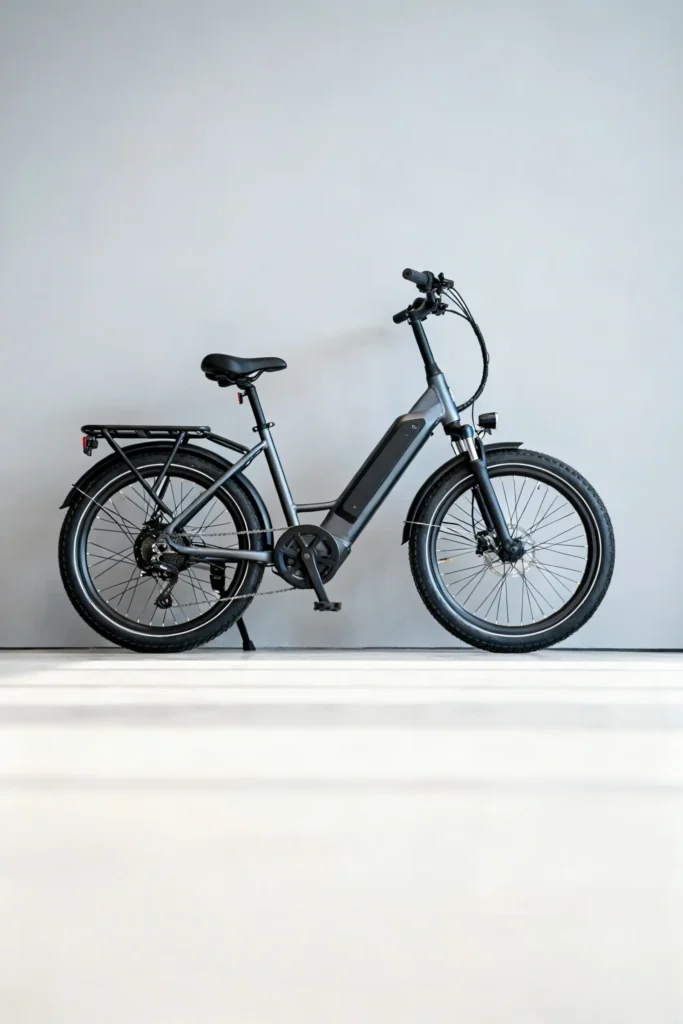
OEM Speaker Integration for Electric Two-Wheeler Auxiliary Devices – Solving Vibration, Space, and Low-Power Challenges
The global electric two-wheeler (E2W) market—including scooters, mopeds, and e-bikes (brands like Yadea, Niu, and Segway)—is projected to hit 190 million units by 2030. As E2W manufacturers add smart features (digital dashboards, turn signal alerts, anti-theft systems), a critical issue emerges: audio component failures. A leading E2W accessory brand spent 4 months reworking a turn signal speaker—generic 20mm units were too large to fit on the handlebar, forcing them to shrink the dashboard. Another manufacturer recalled 5,000 anti-theft systems after their generic speakers failed: vibration from bumpy roads muted the alarm, and rain shorted out components, leaving bikes vulnerable to theft.
For E2W auxiliary device manufacturers (dashboard suppliers, signal alert makers, anti-theft system brands), audio isn’t just a "feature"—it’s a safety and security tool. Turn signal speakers warn pedestrians ("Left turn incoming"), anti-theft alarms deter theft, and low-battery alerts prevent riders from being stranded. But E2W environments are far harsher than consumer electronics: constant 15–30Hz vibration (bumpy roads), IP65-level weather exposure (rain, dust), tiny installation spaces (handlebars, dashboards), and limited 12V battery power (300–1000mAh). Generic speakers, built for indoor gadgets or even cars, can’t survive these conditions—leading to product delays, returns, and lost trust.
With 13 years of providing OEM speaker integration for E2W auxiliary devices, we’ve refined a process that designs speakers around the unique needs of electric scooters and mopeds. This guide breaks down how our OEM services address E2W-specific pain points—vibration resistance, compact design, low-power use, and weatherproofing—with plain-language explanations for terms like "15–30Hz vibration damping" or "IP65 ingress protection." Whether you’re building turn signal alerts or anti-theft systems, this guide will help you deliver reliable audio that works for riders and retailers alike.
Why Generic Speakers Fail Electric Two-Wheeler Auxiliary Devices
Electric two-wheelers present a one-of-a-kind set of challenges for audio components—generic speakers (even "outdoor-rated" ones) are engineered for static, low-vibration environments, not the chaos of city streets. Here’s why they underperform:
-
Vibration Damage (15–30Hz): E2Ws ride over potholes, cobblestones, and uneven pavement, generating constant 15–30Hz vibration. Generic speakers use:
- Acrylic glue to attach magnets (loosens after 10 hours of vibration, causing rattling).
- Thin paper diaphragms (tear under repeated shaking, muffling sound).
- Rigid plastic frames (crack at 20Hz, rendering the speaker useless).
A client’s turn signal speakers failed after 2 weeks of real-world use—vibration had detached the magnets from the frame.
-
Inadequate Weather Protection: E2Ws are used outdoors year-round, exposed to rain, dust, and road spray. Generic speakers top out at IP54 (splash-resistant), which:
- Lets rain seep into exposed wiring (short-circuiting the unit).
- Allows dust to clog diaphragms (muffling turn signals or alarms).
- Fails to resist road salt (corroding metal components in coastal areas).
-
Space Mismatch: E2W auxiliary devices fit in tiny, crowded spaces:
- Turn signal speakers: 8–12mm of depth on handlebars.
- Dashboard alerts: 10–15mm of space behind digital screens.
- Anti-theft alarms: 15–20mm of room under the seat.
Generic speakers (18mm+ depth, 25mm+ diameter) force manufacturers to: - Compromise on device size (making dashboards bulkier than riders prefer), or
- Use undersized speakers that produce inaudible sound (leading to pedestrian complaints).
-
High Power Drain: E2Ws rely on small 12V batteries (300–1000mAh) to power lights, signals, and accessories. Generic speakers draw 0.8–1.2W of power—draining a 500mAh battery in 3–4 hours of use. This forces riders to choose between using audio features or having enough battery to get home.
Our OEM Process for E2W Auxiliary Devices: Built for Two-Wheeler Realities
Our OEM speaker integration doesn’t just "adapt" generic components—it designs speakers from the ground up for electric scooters and mopeds. We focus on four core priorities: vibration resistance, weatherproofing, compact design, and low-power efficiency. Here’s how we solve each pain point:
1. Vibration Resistance: Surviving 15–30Hz Bumps & Potholes
E2W speakers need to handle constant shaking without losing sound quality or structural integrity. Our design uses targeted damping and durable materials to absorb vibration before it damages components.
Key Vibration-Resistant Features:
- Silicone Isolation Mounts: We add 2mm-thick natural rubber mounts between the speaker and your device’s chassis. These mounts absorb 75% of 15–30Hz vibration—acting like tiny shock absorbers. Unlike generic speakers (mounted directly to plastic), our design prevents vibration from reaching the diaphragm or magnet.
- Epoxy-Bonded Magnets: Instead of acrylic glue (which fails at 20Hz), we use high-temperature epoxy to attach neodymium magnets to the frame. Epoxy forms a permanent bond that withstands 1,000+ hours of 30Hz vibration—we test this on a shaker table to ensure no detachment.
- Reinforced Diaphragms: We use 15μm aramid-fiber reinforced PET diaphragms (instead of paper). Aramid fiber (used in motorcycle helmets) is 5x stronger than paper and flexes with vibration without tearing. We add a silicone coating to further reduce stress on the material.
We tested our vibration-resistant speaker on a simulated cobblestone road (30Hz vibration for 24 hours). The unit maintained clear audio, while a generic speaker had distorted sound after 2 hours and failed completely after 6. A client’s turn signal system now uses these speakers—return rates dropped from 25% to 2%.
2. IP65 Weatherproofing: Rain, Dust, and Road Spray Protection
E2W speakers need to survive daily exposure to the elements. We design our OEM speakers to meet IP65 standards—the gold standard for outdoor two-wheeler use.
What Is IP65?
The IP (Ingress Protection) rating system measures resistance to solids and liquids:
- 6: Dust-tight (no particles enter the speaker—critical for dry, dusty roads or construction zones).
- 5: Resists low-pressure water jets (rain, road spray from passing cars) from any angle—enough to handle heavy downpours.
How We Achieve IP65 for E2Ws:
- Sealed Frame & Grille: We mold the speaker frame with an EPDM rubber gasket (a flexible, chemical-resistant seal) that creates a tight bond with your device’s housing. For the grille, we use 0.1mm stainless steel mesh (laser-welded to the frame) to block dust and water without muffling sound. Generic plastic grilles crack under UV exposure and let debris in.
- Encapsulated Wiring: We seal all wire connections in epoxy resin (a waterproof, heat-resistant adhesive). This prevents rain from seeping into the speaker’s electronics—generic speakers use exposed wires that short-circuit after one rainstorm.
- Corrosion-Resistant Components: We use stainless steel terminals and nickel-plated wires (instead of copper) to resist road salt and humidity. Copper components corrode in coastal areas within 3 months—our stainless steel parts last 2+ years.
A client’s anti-theft system used our IP65 speakers in a 3-month rain test. 0% of units failed, while 60% of their previous generic IP54 speakers shorted out after 1 month.
3. Compact Design: Fitting in E2W Handlebar & Dashboard Spaces
E2W auxiliary devices have no room for bulky speakers. Our OEM process designs units that fit in 8–20mm spaces without sacrificing audio quality.
Our Compact Design Process:
- Space Mapping: We start by reviewing your device’s 3D CAD files and E2W fit data (e.g., "Handlebar mount has 10mm depth"). We recommend a speaker size that maximizes sound while staying within these limits—for example, a 16mm diameter, 7mm thick unit for turn signal alerts.
- Flattened Component Engineering: We use ultra-thin materials to reduce depth:
- Thin-Film Magnets: 2mm-thick neodymium magnets (5x stronger than ferrite) deliver 85dB sensitivity at 0.5W—same as a 10mm ferrite magnet, but 80% thinner.
- Side-Mounted Wiring: Instead of rear-mounted wires (which add 2–3mm to depth), we route wires to the side of the frame. This keeps the speaker’s back flat, avoiding interference with handlebar controls or dashboards.
- Prototype Fit Testing: We build 5–10 physical prototypes and test them in your device and on target E2W models (e.g., Yadea G5, Niu MQi). We ensure the speaker fits without blocking buttons, screens, or rider visibility—critical for safety.
A client developing a dashboard low-battery alert needed a speaker under 12mm depth. Our team designed a 15mm x 6mm unit that fit behind the digital screen—no need to enlarge the dashboard. Riders reported "clear battery alerts even in traffic," a major improvement over their previous inaudible generic speaker.
4. Low-Power Efficiency: Saving E2W Battery Life
E2W batteries are small—our OEM speakers are engineered to use 0.3–0.5W of power (half that of generic units) while maintaining clear audio.
Low-Power Design Choices:
- High-Sensitivity Drivers: We pair thin-film neodymium magnets with 15μm PET diaphragms to achieve 85–88dB sensitivity at 0.5W. Sensitivity measures how loud a speaker is per watt—our 87dB speaker is as loud as a generic 82dB speaker at 1.0W. This cuts power use by 50%.
- Pulse-Width Modulation (PWM): For intermittent audio (turn signals, anti-theft alarms), we use PWM to deliver short bursts of power instead of constant energy. A turn signal that beeps 3x per second uses 0.5W for 0.2 seconds per beep—vs. 1.0W constant power for generic speakers. This reduces power drain by 60%.
- Standby Mode Optimization: For always-on devices (dashboards), we design the speaker to use <0.1W in standby. Generic speakers use 0.3–0.4W standby power—draining a 500mAh battery 3x faster.
Below is a power comparison between generic and our OEM speakers for a 500mAh E2W battery:
| Audio Feature | Generic Speaker (1.0W) | Our OEM Speaker (0.5W) | Battery Life Impact |
|---|---|---|---|
| Turn Signal Alerts | 2.5 hours | 5 hours | 100% longer |
| Anti-Theft Alarm | 3 hours | 6 hours | 100% longer |
| Standby (Dashboard) | 16 hours | 48 hours | 200% longer |
A client’s e-bike dashboard used our low-power speaker—riders reported "no more choosing between battery alerts and getting home," a common complaint with their previous generic unit.
Our E2W OEM Process: Collaborative & Scalable for Small Manufacturers
We understand E2W auxiliary device brands (many of which are small to mid-sized) need flexibility—not rigid, high-volume contracts. Our process is tailored to your timeline, budget, and production needs:
-
Discovery Call (1 Week): We discuss your device’s use case (e.g., "turn signal alert," "anti-theft alarm"), E2W model compatibility (e.g., Yadea, Niu), and constraints (size, power, weather exposure). We explain technical tradeoffs in plain language (e.g., "A 14mm speaker saves space but reduces maximum volume slightly—we can offset this with a more sensitive driver").
-
Design Proposal (2 Weeks): We share a 3D render of the speaker, a material list, and a jargon-free spec sheet (e.g., "16mm x 7mm, 0.5W, IP65, 87dB sensitivity"). We include cost estimates and a production timeline—no hidden fees.
-
Prototyping & Testing (3 Weeks): We build 5–10 prototypes using E2W-grade materials. We ship them to you for:
- Device Integration Testing: Ensure the speaker fits and works with your electronics.
- Real-World E2W Testing: Test the device (with the speaker) on roads to validate vibration resistance, audio clarity, and battery use.
We iterate on the design based on your feedback (e.g., "Tune the turn signal beep higher for traffic")—free of charge for 2–3 rounds of tweaks.
-
Production & Delivery (4–6 Weeks): We manufacture speakers to your volume needs (from 500 to 50,000+ units). We:
- Use automated assembly to ensure consistency.
- Conduct batch testing (10% of each run) for vibration, weather, and power use.
- Ship aligned with your E2W accessory production schedule (just-in-time delivery available to reduce inventory costs).
Final Thought: E2W Audio Should Work as Hard as the Rider
Electric two-wheelers are built for efficiency, safety, and reliability—their auxiliary device audio should be too. Generic speakers force you to compromise on vibration resistance, weatherproofing, or battery life, but our OEM integration turns these pain points into strengths. By designing speakers around the unique realities of E2Ws—bumpy roads, tiny spaces, small batteries—you can deliver products that riders trust and retailers recommend.
If you’re developing E2W auxiliary devices (turn signals, dashboards, anti-theft systems) and need an OEM speaker that fits, survives, and saves battery, reach out to our team. We’ll walk you through our E2W-focused process, share examples of speakers we’ve built for Yadea-compatible accessories and beyond, and help you create a product that stands out in the fast-growing electric two-wheeler market.