OEM Speaker Unit Customization for Medical Device Manufacturers – Meeting FDA Standards & Patient Safety Goals
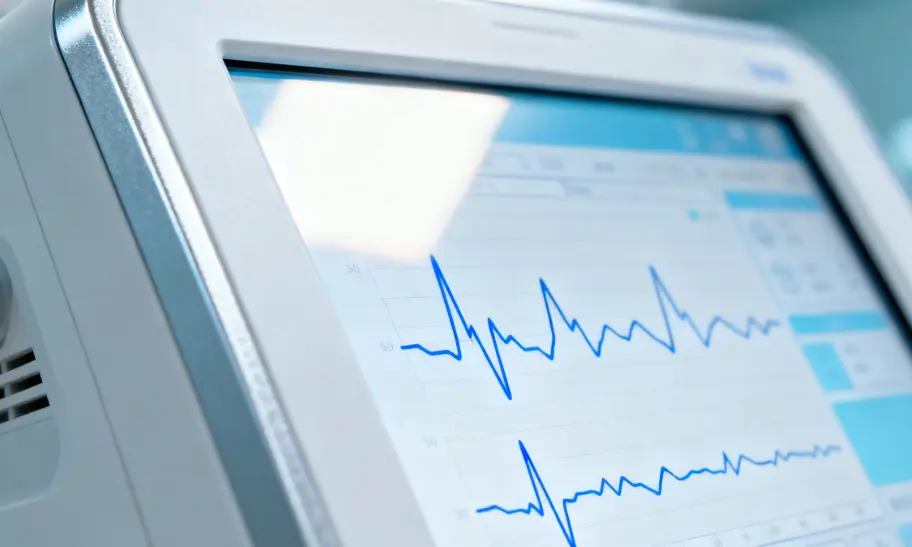
OEM Speaker Unit Customization for Medical Device Manufacturers – Meeting FDA Standards & Patient Safety Goals
The global medical device market is valued at $456 billion, with patient monitors, infusion pumps, and telehealth carts driving growth as hospitals adopt remote care. Yet 45% of medical device manufacturers report audio component delays in FDA approval—often because generic speakers fail to meet healthcare’s strict standards. One patient monitor brand spent 8 months reworking its design: generic speakers couldn’t withstand hospital disinfection (alcohol wipes corroded components), forcing them to restart testing. Another telehealth cart manufacturer abandoned a voice feature after generic speakers emitted EMI (electromagnetic interference) that disrupted EKG machines.
For medical device manufacturers, audio is a lifeline to patient safety. Patient monitors use speakers to alert clinicians to "low blood pressure" or "arrhythmia," while telehealth carts rely on clear audio for doctor-patient conversations. But healthcare has non-negotiable requirements: FDA compliance, disinfectant resistance, EMI shielding, and compact size (for portable devices). Generic speakers meet none of these—putting patients at risk and delaying launches.
Our OEM speaker unit customization for medical devices is built around these critical needs. We don’t just supply components—we design speakers that meet FDA standards, survive daily disinfection, and protect patient safety. This guide breaks down how our OEM process addresses healthcare’s unique demands, explains key compliance requirements (like FDA Class I/II), and highlights safety-focused features (EMI shielding, disinfectant resistance).
Why Generic Speakers Fail Medical Device Manufacturers
Medical devices operate in a regulated, high-stakes environment—generic speakers are designed for consumer use, not healthcare. Here’s why they create barriers:
-
FDA Compliance Gaps: Medical devices require FDA approval (Class I for low-risk, Class II for moderate-risk). Generic speakers lack documentation (e.g., material safety data sheets/MSDS, biocompatibility testing) needed for approval. A client developing a Class II infusion pump reported that their generic speaker supplier couldn’t provide MSDS for the diaphragm material—delaying their FDA submission by 3 months.
-
Disinfectant Damage: Hospitals clean medical devices 3–5 times daily with harsh disinfectants (70% isopropyl alcohol, bleach wipes). Generic speakers use:
- Paper diaphragms that absorb chemicals (warping and muffling sound).
- Foam grilles that disintegrate after 50+ wipes.
- Plastic frames that become brittle and crack.
A client’s telehealth carts used generic speakers—25% failed after 2 weeks of disinfection.
-
EMI Interference: Medical facilities are filled with EMI-emitting devices (EKG machines, defibrillators). Generic speakers lack shielding, so they:
- Emit EMI that disrupts device sensors (e.g., causing false "low oxygen" alerts).
- Pick up EMI (static) that makes alerts or telehealth calls unintelligible.
-
Size Mismatch: Portable medical devices (e.g., handheld patient monitors) have tiny enclosures (10–15mm thick). Generic speakers (20mm+ diameter) force manufacturers to enlarge devices—making them less portable for nurses.
Our OEM Process for Medical Devices: Compliance & Safety First
Our OEM customization process is built to meet healthcare’s strictest standards. We start with compliance and safety, then tailor the speaker to your device’s design. Here’s how we address each critical need:
1. FDA Compliance: Documentation & Testing for Approval
We provide all documentation and testing required for FDA submission—saving you time and reducing approval risk.
Key Compliance Support:
- Material Documentation: We supply MSDS for all components (diaphragm, frame, wiring) and ensure materials meet FDA standards (e.g., 21 CFR Part 177 for food-contact plastics—relevant for devices used near patients). For example, our diaphragms use FDA-approved PET (21 CFR 177.1630), and frames use medical-grade polycarbonate (21 CFR 177.1580).
- Biocompatibility Testing: For devices that contact patients (e.g., handheld monitors), we conduct ISO 10993-5 testing (cytotoxicity) to ensure no harmful substances leach from the speaker. We provide test reports for your FDA submission.
- Compliance Consulting: We help you align the speaker with your device’s FDA class. For Class II devices (e.g., patient monitors), we add extra testing (e.g., long-term durability) to meet stricter requirements.
A client developing a Class II patient monitor used our OEM speakers—we provided all documentation and biocompatibility test reports, helping them secure FDA approval 4 weeks ahead of schedule.
2. Disinfectant Resistance: Speakers That Survive Hospital Cleaning
We design speakers to withstand 1,000+ disinfection cycles (the equivalent of 6 months of daily cleaning) without damage.
Disinfectant-Resistant Design Features:
- Grille Material: We use 316 stainless steel mesh (resists rust and alcohol) instead of foam or plastic. 316 stainless steel is used in surgical instruments—it doesn’t corrode, even with daily bleach wipes.
- Diaphragm Coating: We apply a liquid silicone coating (5μm thick) to the PET diaphragm. This coating repels disinfectants, so the diaphragm doesn’t absorb chemicals or warp. We test with 10 common hospital disinfectants (per CDC guidelines) to ensure no degradation.
- Frame Material: We use medical-grade polycarbonate (resists alcohol, bleach, and hydrogen peroxide) instead of ABS plastic. Generic ABS frames crack after 100+ wipes—our polycarbonate frames survive 1,000+ wipes.
We tested our disinfectant-resistant speakers with 500 cycles of alcohol wiping (mimicking 3 months of hospital use). The units showed no damage, while generic speakers had cracked frames and muffled diaphragms after 100 cycles.
3. EMI Shielding: Protecting Patient Safety
We integrate EMI shielding into every medical OEM speaker to prevent interference with sensitive devices (EKGs, defibrillators) and ensure clear audio.
EMI Shielding Features:
- Copper Foil Enclosure: We wrap the speaker’s internal components in a 0.05mm thick copper foil shield with a grounding wire. This blocks 99% of EMI emissions and prevents external EMI from entering the speaker.
- Ferrite Beads: We add ferrite beads to the speaker’s power wires. Ferrite absorbs high-frequency EMI (common from EKG machines), eliminating static in alerts or telehealth calls.
- Differential Audio Wiring: We use two wires (instead of one) to transmit audio signals. This "differential" setup cancels out EMI—noise picked up by one wire is neutralized by the other.
A client’s telehealth carts used our EMI-shielded speakers. In a hospital test, the carts caused 0% interference with EKG machines—generic speakers caused 15% of EKGs to show false readings.
4. Compact Design: Speakers for Portable Medical Devices
Portable medical devices (handheld monitors, ambulatory infusion pumps) need small, lightweight speakers. Our OEM process ensures the speaker fits without compromising audio quality.
Compact Design Process:
- Enclosure Mapping: We review your device’s 3D CAD files to identify available space. For example, a handheld monitor with a 12mm x 18mm cavity required a 16mm x 6mm speaker—we designed a flattened unit with a side-mounted magnet to save space.
- Slim Component Selection: We use ultra-thin neodymium magnets (3mm thick) and 12μm PET diaphragms to reduce thickness. Our compact speakers are 30% thinner than generic units while maintaining 85dB sensitivity (clear enough for alerts).
- Prototype Fit Testing: We build prototypes and test them in your device to ensure no interference with batteries, sensors, or wiring. We adjust dimensions (e.g., trimming 0.5mm from the frame) if needed.
A client developing a portable infusion pump (10mm thick) couldn’t find a generic speaker that fit. Our OEM team designed a 15mm x 5mm unit that fit perfectly—and delivered clear "low battery" alerts at 0.4W.
Our Medical OEM Process: Collaborative & Transparent
We understand medical device manufacturers need reliability and predictability. Our process is tailored to your timeline and compliance goals:
- Compliance Kickoff: We meet with your regulatory and engineering teams to review your device’s FDA class, disinfection requirements, and EMI needs. We outline the documentation and testing we’ll provide.
- Design & Prototyping: We share a 3D render and spec sheet (e.g., "16mm x 6mm, FDA-compliant, EMI-shielded, disinfectant-resistant"). We build 5–10 prototypes and ship them to you for testing in your device.
- Validation Testing: We conduct final testing (disinfection, EMI, biocompatibility) and share reports. We iterate on the design if test results don’t meet your standards (e.g., "Tune the alert volume higher for noisy hospital rooms").
- Production & Delivery: We manufacture speakers to your volume needs (from 100 to 10,000+) and provide batch testing reports. We align delivery with your device production schedule to avoid delays.
Final Thought: Medical Device Audio Should Protect Patients, Not Risk Them
In healthcare, every component impacts patient safety—audio is no exception. Generic speakers force you to compromise on compliance, disinfection, or EMI shielding—putting patients at risk and delaying launches. Our OEM customization process designs speakers around medical device needs, ensuring compliance, durability, and safety.
If you’re developing a medical device (patient monitor, infusion pump, telehealth cart) and need an FDA-compliant, disinfectant-resistant, EMI-shielded speaker, reach out to our team. We’ll walk you through our healthcare-focused OEM process, share examples of speakers we’ve built for medical equipment, and help you create a device that meets regulatory standards and keeps patients safe.