Product Packaging Optimization for Small B2B Manufacturers: Cut Costs & Meet Cross-Border Rules
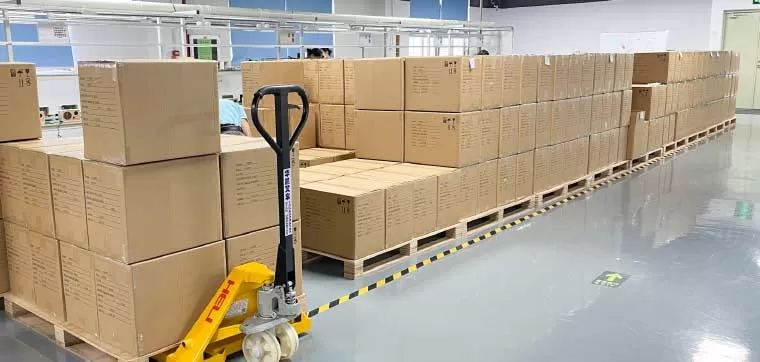
Last month, a small manufacturer of portable medical tool cases shipped 200 units to a Canadian client—only to have the entire shipment held at the border. The issue? Their packaging didn’t include a bilingual label (English/French), a requirement for medical products entering Canada. By the time they reprinted labels and reshipped, they’d paid $1,200 in storage fees and lost a $5,000 quarterly order from the client. For small B2B manufacturers, packaging is often an afterthought—but it’s one that can cost you thousands in fines, delays, and lost clients.
A 2024 survey by the Small Business Packaging Association found that 58% of small B2B manufacturers have faced cross-border packaging delays, and 42% report that “excessive packaging costs” eat into 10–15% of their profit margins. The myth that “packaging is just a box” keeps small teams stuck. The reality is: good packaging balances three goals—compliance (to avoid delays), cost control (to save money), and brand recognition (to stand out)—and you can achieve all three without big budgets.
With 13 years of helping small B2B manufacturers (from electric two-wheeler part makers to solar component suppliers) optimize packaging, we’ve identified 3 core steps to fix common packaging pain points. This guide breaks down how to check packaging compliance for your target markets, reduce material costs without sacrificing protection, and add subtle brand touches—with plain-language explanations of terms like “bilingual labeling requirements” and “dimensional weight optimization” — so you can stop losing money on packaging and start using it to win clients.
Why Small B2B Manufacturers Fail at Packaging Optimization
It’s not that you “don’t care about packaging”—it’s that you’re focused on the wrong priorities. Here are 3 common mistakes that lead to extra costs and delays:
Mistake 1: You Prioritize “Protection” Over “Cost” (Overpackaging)
Small manufacturers often overpackage products “to be safe”—using thicker boxes, extra bubble wrap, or larger-than-needed containers. A client who builds electric two-wheeler wiring harnesses used boxes that were 3x the size of the product, with 2 layers of bubble wrap. This increased their dimensional weight (a key factor in shipping costs) by 60%, adding $300 to each shipment. Over a year, that’s $3,600 in wasted money—money they could have reinvested in product development.
Mistake 2: You Ignore “Market-Specific Compliance” (Cross-Border Delays)
Each market has unique packaging rules—especially for regulated industries (medical, electronics, food). Small manufacturers often use “one-size-fits-all” packaging, assuming it will work everywhere. A maker of solar lantern components shipped to the EU without adding a CE marking on the packaging (required for electrical products). Their shipment was held for 10 days, and they paid $800 in fines—all because they didn’t check EU packaging rules.
Mistake 3: You Skip “Brand Recognition” (Lost Opportunities)
Small manufacturers often use plain, unmarked boxes—missing a free way to reinforce their brand with clients. A supplier of portable medical tool cases shipped products in generic brown boxes; when the client received the shipment, they had to call to confirm it was theirs. A competitor who added their logo and “Medical Tool Cases” label on the box was top of mind for the client—they won the next order.
3-Step Packaging Optimization for Small B2B Manufacturers
These steps use low-cost materials and free compliance resources—they take 2–3 hours per month to implement and save you $500–$1,000 annually.
Step 1: Check Market-Specific Packaging Compliance (Avoid Delays)
The first rule of packaging is: comply first, then optimize for cost. Non-compliant packaging leads to fines, delays, and lost clients—costs that far exceed packaging materials.
How to Check Compliance (Free Resources):
- Identify Key Markets: List the top 2–3 markets you ship to (e.g., EU, U.S., Canada).
- Use Official Government Sites: Avoid third-party blogs—go straight to the source:
- EU: Check the EU Packaging Directive for labeling (CE, REACH) and recycling requirements.
- U.S.: Use the FDA for medical products or FTC for general labeling rules.
- Canada: Refer to Health Canada for bilingual labeling (English/French) and product-specific rules.
- Create a “Compliance Checklist”: List the requirements for each market (e.g., “EU: CE marking on outer box, REACH chemical list inside”).
Example Packaging Compliance Checklist for Key Markets:
| Target Market | Product Type | Compliance Requirements | How to Implement (Low Cost) |
|---|---|---|---|
| EU (Germany, France) | Solar Lantern Speakers | 1. CE marking on outer box (5mm minimum size). 2. REACH compliance statement (list of non-restricted chemicals). |
1. Print CE labels on sticker paper (cost: $5 for 100 stickers). 2. Include a 1-page REACH statement (print on recycled paper) inside the box. |
| U.S. (California, Texas) | Electric Two-Wheeler Wiring Harnesses | 1. UL recognition mark (if using UL-certified materials). 2. “Made in [Country]” label. |
1. Ask your wire supplier for a UL sticker (most provide free). 2. Print “Made in [Country]” on the box using a rubber stamp (cost: $10). |
| Canada | Portable Medical Tool Cases | 1. Bilingual labels (English/French) for product name and “Handle With Care.” 2. Medical device classification number (if applicable). |
1. Use Canva’s free bilingual label template (print on sticker paper). 2. Add the classification number to the label (provided by Health Canada). |
Key Tip: Test your packaging with a small shipment first. Send 5–10 units to a client in your target market—if there are no delays, scale up. A client who builds solar components used this to test EU packaging—they fixed a missing REACH statement before shipping 200 units, avoiding $1,000 in fines.
Step 2: Reduce Packaging Costs (Without Sacrificing Protection)
Once you’re compliant, focus on cutting costs. The biggest opportunities are in reducing dimensional weight (shipping cost) and using cheaper, eco-friendly materials.
3 Low-Cost Cost-Cutting Strategies:
- Right-Size Your Boxes: Use boxes that are 1–2 inches larger than your product (no more). Measure your product’s length × width × height, then order boxes that match. A client who builds electric two-wheeler turn signals switched from 12×10×8 inch boxes to 8×6×4 inch boxes—reducing dimensional weight by 50% and saving $250 per shipment.
- Tool Tip: Use Uline’s Box Size Calculator (free) to find the perfect box size.
- Replace Bubble Wrap With Air Pillows: Air pillows are lighter (reduce dimensional weight) and cheaper than bubble wrap. A pack of 100 air pillows costs $8 (vs. $15 for 100 feet of bubble wrap). They also take up less storage space—ideal for small warehouses.
- Use Recycled or Reused Materials: Buy recycled cardboard boxes (cost 20% less than new) from local packaging suppliers. You can also reuse boxes from your own suppliers—just remove old labels and reinforce weak spots with packing tape.
Example Cost Savings for a Small Solar Lantern Speaker Manufacturer:
| Packaging Item | Old Option (Cost/Month) | New Option (Cost/Month) | Monthly Savings |
|---|---|---|---|
| Boxes (100 units) | $50 (12×10×8 inch new) | $25 (8×6×4 inch recycled) | $25 |
| Protective Material | $30 (bubble wrap) | $10 (air pillows) | $20 |
| Labels | $15 (custom printed) | $5 (sticker paper + rubber stamp) | $10 |
| Total | $95 | $40 | $55 |
Over a year, this adds up to $660 in savings—money you can use to improve your product or market to new clients.
Step 3: Add Subtle Brand Touches (Stand Out Without Extra Cost)
Brand recognition doesn’t require expensive custom boxes. Small, low-cost touches can keep your brand top of mind for clients—without increasing packaging costs.
3 Low-Cost Branding Ideas:
- Rubber Stamps: Buy a rubber stamp with your logo and product name (cost: $15–$20). Stamp the outer box—this is cheaper than custom printing and works on recycled boxes.
- Insert Cards: Print a 1-page card (on recycled paper) with your logo, contact info, and a short “thank you” note (e.g., “Thanks for choosing our solar speakers—we’re here to help if you need anything”). Cost: $0.05 per card (100 cards for $5).
- Colored Tape: Use colored packing tape (e.g., your brand color) instead of clear tape. It’s a small change, but it makes your boxes easier to identify in a client’s warehouse. Cost: $8 for a roll (vs. $5 for clear tape)—worth the extra $3 for brand visibility.
A client who builds portable medical tool cases used these ideas—they stamped their logo on boxes and added a thank-you card. A hospital client mentioned the card in their next order email: “It’s nice to work with a supplier who remembers to say thanks”—they increased their order by 30%.
Final Thought: Packaging Is Your “Silent Salesperson”
For small B2B manufacturers, packaging does more than protect your product—it’s a chance to show clients you’re detail-oriented (compliant), cost-conscious (affordable for them), and reliable (branded, easy to identify). A well-optimized package can turn a one-time client into a repeat buyer—all for a few dollars per unit.