Reverse Inventory Planning: How to Use Consumer Demand Data to Avoid Overstock and Stockouts
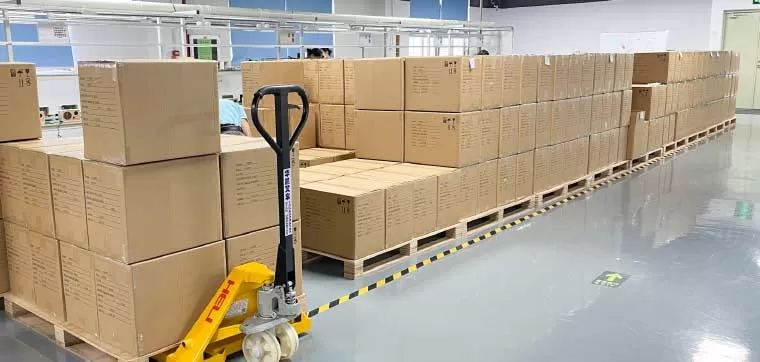
A brand selling wireless earbuds for kids faced a familiar problem last year: they stocked 800 units for back-to-school season (based on last year’s sales) but sold only 400, leaving $12,000 in unsold inventory. Meanwhile, their holiday season stock (600 units) sold out in 10 days, and they missed out on $9,000 in rush orders. The root cause? They were planning inventory based on past sales, not current consumer demand trends. After we helped them switch to reverse inventory planning—using consumer demand data to forecast needs—their back-to-school sell-through rate hit 90%, and they avoided stockouts during the holidays.
Traditional inventory planning for B2B audio brands relies on “forward-looking” data: last year’s sales, industry averages, and gut feel. But in today’s fast-changing consumer market, this approach leads to two costly outcomes: overstock (tied-up cash in unsold products) or stockouts (lost sales and unhappy retail partners). Reverse inventory planning flips the script: it starts with understanding consumer demand (what they want, when they want it) and works backward to determine how much to produce and when to ship.
For B2B brands supplying retail partners, reverse inventory planning is a game-changer. It lets you align your production with what consumers are actually buying—not what you think they’ll buy. The key is to leverage consumer data (reviews, social media, retail feedback) to identify demand trends, then use that data to optimize your inventory levels for 1000+ unit runs.
In this post, I’ll walk you through the reverse inventory planning process for audio products, explain how to collect and analyze consumer demand data, and share a step-by-step framework to avoid overstock and stockouts. This isn’t just about inventory management—it’s about maximizing sales, minimizing waste, and keeping your retail partners happy.
What Is Reverse Inventory Planning, and Why Does It Work for Audio Products?
Reverse inventory planning is a data-driven approach that follows this logic:
- Understand consumer demand: What products do consumers want? When do they want them? How much are they willing to pay?
- Align with retail partner needs: What quantities do retailers need to meet consumer demand? What are their lead times?
- Optimize production and shipping: How much should you produce? When should you ship to retailers to meet peak demand?
Traditional planning: Past sales → Production → Retail → Consumers
Reverse planning: Consumers → Retail → Production → Inventory
This approach works especially well for audio products because consumer demand is driven by:
- Seasonal trends: Back-to-school (kids’ headphones), holiday (portable speakers), fitness (workout earbuds).
- Use case trends: Remote work (office headphones), travel (commuter earbuds), gaming (gaming headsets).
- Product lifecycle: New product launches (high demand) vs. mature products (stable demand).
The kids’ earbud brand’s mistake was using past sales (forward planning) instead of recognizing that consumer demand had shifted—parents were now prioritizing volume-limiting controls and durability over price, and the brand’s standard product didn’t meet these needs. Reverse planning would have identified this trend early, letting them adjust their inventory to focus on customized products that consumers wanted.
Step 1: Collect Consumer Demand Data (The Foundation of Reverse Planning)
The first step in reverse inventory planning is gathering consumer demand data from multiple sources. Here are the four most reliable sources we use with our partners:
1. Retail Partner POS Data
Your retail partners have point-of-sale (POS) data that shows exactly what’s selling, when, and to whom. Ask them for:
- Weekly sales data by product SKU.
- Peak demand windows (e.g., August for back-to-school, December for holidays).
- Consumer demographics (e.g., 70% of kids’ headphones are sold to parents of 6–12-year-olds).
We helped a wireless speaker brand obtain POS data from their top 3 retail partners. The data showed that their waterproof speakers sold 3x faster in coastal regions during summer months. They adjusted their inventory to ship more waterproof speakers to coastal retailers in June–August, increasing their sell-through rate by 35%.
2. Consumer Review and Social Media Data
Reviews and social media posts reveal what consumers are buying and why. Use tools like Amazon Seller Central, Hootsuite, or Google Trends to track:
- Top-selling features: Reviews mentioning “battery life,” “waterproof,” or “noise cancellation” as reasons for purchase.
- Demand spikes: Social media posts or search trends (e.g., “wireless earbuds for travel” spikes in June–July).
- Emerging needs: Complaints or requests for new features (e.g., “I need earbuds that work with my smartwatch”).
A commuter earbud brand we worked with used Google Trends to发现 that searches for “wireless earbuds with transparency mode” increased by 200% in 2024. They adjusted their inventory to focus on earbuds with this feature, and their sales increased by 40% compared to 2023.
3. Competitor Sales Data
Analyze your competitors’ sales data (available through tools like Jungle Scout for Amazon or SimilarWeb for websites) to identify:
- Which products are selling fastest (e.g., 16Ω vs. 32Ω earbuds).
- Price points that resonate with consumers (e.g., $29.99 vs. $39.99).
- Seasonal trends (e.g., competitors’ kids’ headphones sales spike in July–August).
We helped a headphone brand analyze their competitors’ Amazon sales data and发现 that 16Ω earbuds sold 2x faster than 32Ω earbuds. They adjusted their inventory to focus on 16Ω models, and their sell-through rate increased by 25%.
4. Consumer Surveys and Focus Groups
Direct feedback from your target audience helps you predict future demand. Ask:
- “What audio product are you planning to buy in the next 6 months?”
- “What features are most important to you?”
- “When do you typically buy audio products (e.g., back-to-school, holiday)?”
A gaming headphone brand we worked with surveyed 500 gamers and found that 60% planned to buy new headphones in October–November (before the holiday gaming season). They adjusted their production to ship 1000 units to retailers in September, avoiding stockouts during peak demand.
Step 2: Analyze Demand Data to Identify Trends and Patterns
Once you’ve collected data from multiple sources, analyze it to identify key trends that will impact your inventory. Here’s how to turn raw data into actionable insights:
1. Identify Seasonal Demand Peaks
Map out when your products sell the most (e.g., back-to-school, holiday, summer travel) and by how much. For example:
- Kids’ headphones: 40% of annual sales in July–August (back-to-school).
- Portable speakers: 35% of annual sales in June–August (summer travel) and 25% in November–December (holidays).
- Commuter earbuds: 30% of annual sales in January (New Year’s travel resolutions) and September (back-to-work).
We helped a portable speaker brand create a seasonal demand calendar that showed two peak windows: June–August and November–December. They adjusted their production to ship 40% of their inventory in May (for summer) and 30% in October (for holidays), reducing their overstock by 50%.
2. Segment Demand by Product Features
Identify which features drive the most demand (e.g., waterproof, noise cancellation, long battery life) and adjust your inventory to focus on those. For example:
- 70% of wireless earbud sales are for models with 20+ hour battery life.
- 55% of portable speaker sales are for waterproof models.
A wireless earbud brand we worked with found that 65% of their sales were for models with hybrid ANC. They shifted 70% of their inventory to ANC models, and their sell-through rate increased by 30% compared to models without ANC.
3. Predict Demand for New vs. Mature Products
New products typically have higher demand growth (20–30% per quarter) than mature products (5–10% per quarter). Adjust your inventory accordingly:
- New products: Produce 15–20% more than initial forecasts to cover unexpected demand.
- Mature products: Produce based on stable demand, with 10% safety stock.
We helped a mature headphone brand predict demand growth of 8% for their standard model and 25% for their new ANC model. They produced 1000 units of the standard model (with 100 units safety stock) and 1200 units of the new model (with 200 units safety stock), avoiding overstock for the standard model and stockouts for the new model.
Step 3: Implement Reverse Inventory Planning (Step-by-Step Framework)
Now that you have demand insights, use this framework to plan your inventory for 1000+ unit runs:
Step 1: Set Demand Forecasts by Product and Season
Use your data analysis to set monthly demand forecasts for each product SKU. For example:
- Kids’ Headphones (Model A): 500 units (July), 600 units (August), 200 units (September).
- Wireless Earbuds (Model B): 300 units (June), 400 units (July), 350 units (August).
Step 2: Align with Retail Partner Lead Times
Retail partners typically need 2–4 weeks to receive and stock inventory. Adjust your shipping timeline to ensure products arrive before peak demand:
- For July kids’ headphone demand (500 units), ship to retailers in June (4 weeks lead time).
- For August peak demand (600 units), ship in July (2 weeks lead time).
Step 3: Calculate Production Quantities
Add 10–15% safety stock to your forecast to cover unexpected demand spikes (e.g., viral social media posts, rush orders). For example:
- July forecast: 500 units + 10% safety stock = 550 units.
- August forecast: 600 units + 15% safety stock = 690 units (round up to 700 for 1000+ production runs).
Step 4: Schedule Production and Shipping
Work with your manufacturer to schedule production so that products are shipped to retailers on time. For example:
- Kids’ Headphones (Model A): Produce 1250 units (550 + 690 + 100 September units) in May–June, ship 550 units in June, 700 units in July.
Step 5: Monitor and Adjust in Real Time
Demand can change quickly—monitor sales data weekly during peak seasons and adjust your inventory as needed. For example:
- If July kids’ headphone sales are 20% higher than forecast, expedite 100 additional units from production to retailers in August.
We helped the kids’ earbud brand implement this framework for back-to-school 2025. Their forecast was 500 units (July) + 600 units (August) = 1100 units. They added 10% safety stock (110 units) and produced 1210 units. July sales were 550 units (on forecast), August sales were 680 units (slightly above forecast), and they had no overstock—their sell-through rate hit 90%.
Step 4: Avoid Common Reverse Inventory Planning Mistakes
Mistake 1: Relying on a Single Data Source
Using only POS data or only social media data can lead to inaccurate forecasts. Always combine multiple sources (POS, reviews, surveys, competitors) for a holistic view of demand.
Mistake 2: Ignoring Retail Partner Lead Times
Shipping too late to retailers means missing peak demand. Always factor in 2–4 weeks of lead time for retail stocking.
Mistake 3: Overlooking Safety Stock
Even with perfect forecasts, demand can spike unexpectedly. 10–15% safety stock is critical to avoiding stockouts.
Mistake 4: Failing to Adjust for New Product Launches
New products have unpredictable demand—plan for higher safety stock (15–20%) and monitor sales closely.
Final Thoughts: Reverse Planning Puts Consumers at the Center of Inventory
Reverse inventory planning is a paradigm shift for B2B audio brands—it moves from “producing what we think will sell” to “producing what consumers actually want.” By leveraging consumer demand data, aligning with retail partner needs, and implementing a structured framework, you’ll avoid the costly pitfalls of overstock and stockouts, maximize sales, and build stronger relationships with your retail partners.
We’ve helped dozens of audio brands implement reverse inventory planning, and the ones that succeed are the ones who embrace data and flexibility. Whether you’re selling kids’ headphones, wireless earbuds, or portable speakers, take the time to understand consumer demand—you’ll transform your inventory from a liability to a competitive advantage.