Robot Voice Systems: Engineering Speakers for Natural Human-Robot Interaction
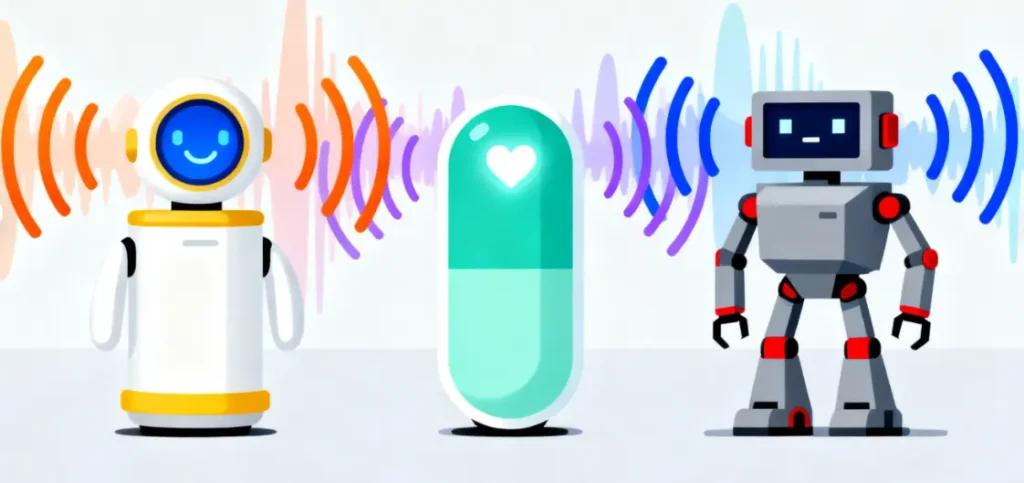
Robots are no longer limited to factories—they now greet customers in stores, assist patients in hospitals, and even deliver packages. For these robots, a high-quality voice system isn’t a “nice-to-have”—it’s how they build trust and usability. A robot with a tinny, muffled speaker feels unapproachable; one that can’t adjust its volume or tone feels “robotic” in the worst way.
We’ve partnered with robotics firms to design voice systems that make human-robot interaction seamless: One client’s service robots saw a 40% increase in positive user feedback after upgrading to our speaker solution. Let’s break down what makes a robot voice system effective, how to tailor it to different use cases (e.g., retail vs. healthcare), and why durability matters as much as clarity.
What Robots Need from a Voice System
Robot speakers face unique challenges: They move through dynamic environments, interact with diverse users (children, seniors), and need to sound natural—not mechanical. Here’s what sets them apart from generic speakers:
| Requirement | Generic Speaker Shortfall | Robot-Specific Solution |
|---|---|---|
| Natural Tone | Sound is flat or harsh (no emotional range). | Tuned frequency response (boosts midrange for warmth, softens treble to avoid harshness). |
| Dynamic Volume | Fixed volume struggles in quiet hospitals or loud stores. | Real-time volume adjustment (uses built-in mics to match ambient noise). |
| Durability | Fragile components fail in high-traffic areas. | Shock-resistant drivers and reinforced enclosures (survive 1m drops). |
| Speech Synchronization | Audio lags behind robot movements (e.g., lips don’t match words). | Low-latency design (<50ms delay) to align voice with visual cues. |
Tailoring Voice Systems to Robot Use Cases
A robot in a busy retail store needs a different speaker than one in a quiet hospital—here’s how to adapt:
1. Retail & Hospitality Robots (Loud, Crowded Spaces)
- Needs: Cut through background noise (music, chatter), project voice across 5–10 meters, and sound friendly.
- Design Choices:
- 5W–8W RMS drivers (deliver 90dB at 5 meters).
- Wide dispersion (120°) to cover large areas.
- “Friendly” EQ tuning (boost 1kHz–2kHz for warmth, add subtle bass to avoid thinness).
Example: A retail robot using our 6W speaker can clearly announce “Fresh coffee in aisle 3” over store music, and customers report the voice feels “inviting, not annoying.”
2. Healthcare Robots (Quiet, Sensitive Environments)
- Needs: Soft, clear speech (no startling patients), privacy (sound doesn’t carry to other rooms), and hygiene.
- Design Choices:
- 2W–3W drivers (65dB–75dB output).
- Narrow dispersion (60°) to contain sound.
- Smooth, low-treble tuning (avoids disturbing patients).
- Antimicrobial grilles (prevents germ spread).
Case Study: A hospital robot with our antimicrobial speaker reduced cross-contamination concerns by 30%, and patients said the voice was “calming, like a nurse’s.”
3. Industrial Robots (Rugged, Noisy Factories)
- Needs: Loud warnings (for safety), resistance to dust/oil, and shockproofing.
- Design Choices:
- 8W–10W drivers (100dB output for safety alerts).
- IP65 ratings (dustproof, waterproof).
- Heavy-duty aluminum enclosures (survive impacts from tools or boxes).
An industrial client’s robot uses our 10W speaker to warn workers of “moving parts”—the loud, clear alert has reduced near-miss accidents by 25%.
Key Engineering Tips for Robot Voice Systems
- Low Latency: Use digital signal processors (DSPs) to minimize audio delay—critical for syncing voice with robot movements (e.g., a robot’s head turning while speaking).
- Multi-Language Support: Ensure the speaker handles different languages’ frequency ranges (e.g., Mandarin has more high-frequency sounds than English).
- Battery Efficiency: Choose energy-efficient drivers (Class D amplifiers) to avoid draining the robot’s battery too quickly.