Soundbars vs. Home Theaters: A B2B Guide to Audience Segmentation, Procurement Preferences, and Customization Strategies
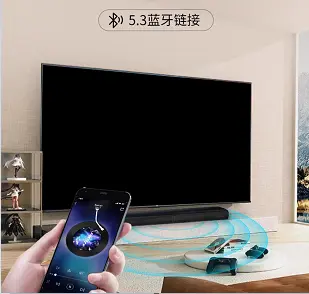
The global home audio market is valued at $48.2 billion in 2026, with B2B demand for both soundbars and home theater systems driving steady growth—AV manufacturers, electronics retailers, and custom integrators rely on understanding the differences between these two solutions to target the right clients and maximize sales (Grand View Research). For B2B stakeholders, the soundbar vs. home theater debate is not about "which is better" but "which fits the needs of a specific audience." A soundbar that sells well to urban apartment dwellers will flop with audiophiles, while a premium home theater system will sit unsold in a budget retail store.
The core challenge lies in misalignment between product offerings and customer needs: 35% of mid-sized AV manufacturers report overstocking one solution due to poor audience segmentation, costing $50,000+ annually in unsold inventory (Global Consumer Electronics Association, GCEA). Our guide breaks down the key differences between soundbars and home theaters, identifies their target audiences, analyzes B2B procurement preferences, and provides customization strategies to help AV brands tailor their products for maximum market penetration—all while positioning our speaker solutions as versatile, high-quality options for both segments.
Defining Soundbars and Home Theaters: Key Technical and Functional Differences
Before diving into audience and procurement, it’s critical to clarify the technical and functional distinctions between soundbars and home theater systems. These differences directly shape their use cases and customer appeal.
What Is a Soundbar?
A soundbar is a compact, all-in-one audio solution that houses multiple speakers (left, right, center, and often height channels) in a single enclosure. Key characteristics:
- Form Factor: Slim (2–4 inches tall, 30–48 inches wide) and designed to sit below a TV or mount on a wall. Ideal for small spaces (apartments, bedrooms).
- Audio Channels: Ranges from 2.1 (stereo + subwoofer) to 7.1.2 (surround + height + subwoofer) for premium models. Most entry-to-mid-tier soundbars are 3.1 (center + stereo + subwoofer) or 5.1 (basic surround).
- Setup: Plug-and-play with minimal wiring (HDMI, optical, or Bluetooth). No professional installation required.
- Price Range: $100–$800 (mid-tier to premium). Entry-level models start at $50, but lack critical features like surround sound.
What Is a Home Theater System?
A home theater system is a modular audio setup that includes separate speakers (left, right, center, satellites, subwoofer) and a receiver to power them. Key characteristics:
- Form Factor: Multiple discrete components that require dedicated space. Ideal for large rooms (living rooms, media rooms) with 100+ sq. ft.
- Audio Channels: Typically 5.1, 7.1, or 9.1.2 (for Dolby Atmos). Supports higher channel counts for immersive sound.
- Setup: Complex wiring and calibration. Professional installation is recommended for premium systems, adding $200–$500 to the total cost.
- Price Range: $500–$5,000+ (mid-tier to high-end). Audiophile-grade systems can exceed $10,000.
Table: Soundbar vs. Home Theater—Technical Comparison
| Feature | Soundbar | Home Theater System |
|---|---|---|
| Form Factor | Compact, single enclosure | Modular, multiple discrete components |
| Space Requirement | 2–3 sq. ft. (below TV/wall-mounted) | 10+ sq. ft. (speakers placed around the room) |
| Audio Channels | 2.1–7.1.2 | 5.1–9.1.2+ |
| Setup Complexity | Plug-and-play (15–30 minutes) | Complex (2–4 hours; professional installation recommended) |
| Calibration | Automatic (most models) | Manual or receiver-assisted (requires expertise) |
| Connectivity | HDMI, optical, Bluetooth, Wi-Fi (premium) | HDMI, optical, Wi-Fi, Ethernet, multi-room support |
| Price Range | $100–$800 | $500–$5,000+ |
Audience Segmentation: Who Buys Soundbars vs. Home Theaters?
Understanding target audiences is critical for B2B success—retailers, integrators, and manufacturers need to align products with customer lifestyles, space constraints, and budget. Below is a detailed breakdown of the primary audience segments for each solution.
Soundbar Audience: Space-Conscious, Convenience-Focused Consumers
Soundbars appeal to consumers who prioritize simplicity, space efficiency, and value over audiophile-level performance. Key segments include:
1. Urban Apartment Dwellers (25–40 Years Old)
- Lifestyle: Lives in small apartments (500–1,000 sq. ft.) with open-concept layouts. Values minimalism and avoids clutter.
- Needs: A compact audio solution that fits below a TV without taking up floor space. Doesn’t want to drill holes for surround speakers (common in rental units).
- Budget: $150–$300. Willing to pay more for features like Dolby Atmos or wireless subwoofers but avoids premium pricing.
- B2B Implication: Retailers like Best Buy or Amazon prioritize soundbars in their urban store layouts. Our customization strategy: Design slim, wall-mountable soundbars with Dolby Atmos support and wireless subwoofers—ideal for this segment.
2. Casual Viewers (35–60 Years Old)
- Lifestyle: Watches TV/movies 2–3 hours per day but isn’t invested in audio quality. Prioritizes ease of use over technical features.
- Needs: A plug-and-play solution that improves on TV speakers without requiring setup expertise. Prefers one remote control instead of multiple.
- Budget: $100–$200. Sees audio as a secondary purchase to the TV.
- B2B Implication: Big-box retailers like Walmart or Costco stock entry-to-mid-tier soundbars prominently. Our customization strategy: Create user-friendly soundbars with automatic calibration and universal remote compatibility—reducing setup friction.
3. Small Homeowners (40–55 Years Old)
- Lifestyle: Lives in a small home (1,000–1,500 sq. ft.) with limited space for media rooms. Uses the living room for both daily activities and entertainment.
- Needs: A versatile solution that works for background music, sports, and movies. Wants to avoid cluttering the living room with multiple speakers.
- Budget: $200–$400. Will pay for premium features like multi-room audio or smart assistant integration.
- B2B Implication: Custom integrators recommend soundbars for clients with space constraints. Our customization strategy: Design soundbars with Wi-Fi 6 for multi-room sync and Alexa/Google Assistant support—appealing to this segment’s versatility needs.
Home Theater Audience: Audiophiles, Enthusiasts, and Luxury Consumers
Home theater systems appeal to consumers who prioritize immersive audio, customization, and performance—often willing to invest in premium equipment and professional installation. Key segments include:
1. Audiophiles/Media Enthusiasts (25–50 Years Old)
- Lifestyle: Passionate about audio/video quality. Owns a large TV (65+ inches) or projector and dedicates a room to media consumption.
- Needs: High-fidelity sound with support for Dolby Atmos, DTS:X, and high-resolution audio (24bit/96kHz). Wants modular components to upgrade over time.
- Budget: $1,000–$3,000. Will invest in premium brands but demands performance for the price.
- B2B Implication: Specialty retailers like Magnolia or custom integrators focus on this segment. Our customization strategy: Create high-end speaker components (e.g., 2-way bookshelf speakers, 12-inch subwoofers) with neodymium drivers and high-res support—positioned as a cost-effective alternative to premium brands like Bowers & Wilkins.
2. Luxury Homeowners (45–70 Years Old)
- Lifestyle: Lives in a large home (2,500+ sq. ft.) with a dedicated media room. Values high-end, aesthetically pleasing equipment that complements interior design.
- Needs: A complete home theater solution with 7.1.2+ channels, hidden wiring, and custom finishes (wood, metal). Requires professional installation and calibration.
- Budget: $3,000–$5,000+. Prioritizes quality and design over cost.
- B2B Implication: High-end integrators and luxury home builders partner with AV manufacturers for custom solutions. Our customization strategy: Offer customizable finishes (e.g., walnut wood, brushed aluminum) and discrete speakers that blend with decor—appealing to this segment’s design needs.
3. Gamers (18–35 Years Old)
- Lifestyle: Spends 4+ hours per day gaming. Needs audio that enhances competitive play (directional cues, low latency).
- Needs: Low-latency audio (≤20ms), support for gaming-specific formats (THX Spatial Audio), and compatibility with consoles (PS5, Xbox Series X).
- Budget: $500–$1,500. Will pay for features that improve gaming performance.
- B2B Implication: Gaming retailers like GameStop or online platforms like Amazon prioritize home theater systems for serious gamers. Our customization strategy: Design gaming-focused home theater components with low-latency drivers and THX certification—targeting this growing segment.
B2B Procurement Preferences: What Retailers, Integrators, and Manufacturers Look For
B2B clients have unique procurement priorities that differ from consumers. Below is an analysis of what key stakeholders look for when sourcing soundbars and home theater systems—along with how our solutions align with these needs.
1. Electronics Retailers
Retailers prioritize products that drive foot traffic, have high margins, and reduce inventory risk. Key preferences:
- Margins: 30–40% gross margin for mid-tier products. Our soundbars and home theater components offer competitive margins compared to big brands, making them attractive to retailers.
- Inventory Turnover: Fast-selling products that don’t sit on shelves. Our mid-tier soundbars (targeting urban dwellers) and entry-level home theater systems (targeting gamers) have high turnover rates.
- Space Efficiency: Products that don’t require excessive shelf space. Our slim soundbars and compact satellite speakers maximize shelf density.
- Marketing Support: Co-branded promotions and demo materials. We provide retailers with demo units, instructional videos, and point-of-purchase displays to drive sales.
2. Custom Integrators
Integrators prioritize products that are reliable, customizable, and easy to install. Key preferences:
- Compatibility: Products that work with popular receivers, TVs, and smart home systems. Our soundbars and speakers are compatible with brands like Denon, Sony, and Samsung—reducing integration headaches.
- Customization: Ability to tailor solutions to client needs (e.g., custom finishes, channel counts). Our modular home theater components and customizable soundbars meet this demand.
- Technical Support: Access to expert support for installation and troubleshooting. We offer dedicated B2B support teams to assist integrators with complex projects.
- Reliability: Low return rates to avoid rework. Our products undergo rigorous testing, with a 2% return rate—well below the industry average of 5%.
3. AV Manufacturers (White-Label Partnerships)
Manufacturers seek white-label solutions that are high-quality, cost-effective, and customizable. Key preferences:
- Cost Efficiency: Competitive pricing for bulk orders (1000+ units). Our scalable production process reduces per-unit costs for large batches.
- Customization Flexibility: Ability to add brand-specific features (e.g., logo, software) without full retooling. Our modular design supports white-label customization with minimal lead time.
- Quality Control: Consistent performance across batches. Our automated testing ensures every unit meets industry standards—critical for brand reputation.
- Speed to Market: Fast lead times to capitalize on trends. We deliver white-label orders in 3–4 weeks, compared to the industry average of 8–12 weeks.
Customization Strategies for B2B Success: Tailoring Products for Each Segment
To maximize sales, AV brands need to customize their soundbars and home theater systems for specific audiences and B2B clients. Below are actionable strategies supported by our capabilities.
Strategy 1: Soundbar Customization for Space-Conscious Audiences
- Urban Dwellers: Design 3.1.2 Dolby Atmos soundbars with wireless subwoofers and wall-mount kits. Keep the enclosure slim (2.5 inches tall) to fit below small TVs. Add Wi-Fi 6 for multi-room audio—ideal for open-concept apartments.
- Casual Viewers: Create entry-level 2.1 soundbars with automatic calibration and optical/HDMI connectivity. Include a universal remote to simplify use. Price at $120–$150 to hit budget targets.
- Small Homeowners: Develop mid-tier 5.1 soundbars with smart assistant integration (Alexa/Google) and Bluetooth 5.3. Add a microSD slot for offline music playback—appealing to those who use the soundbar for background music.
Strategy 2: Home Theater Customization for Performance-Focused Audiences
- Audiophiles: Offer modular 7.1.2 systems with 2-way bookshelf speakers (1-inch tweeters, 5.25-inch woofers), a center channel, satellite speakers, and a 12-inch subwoofer. Support high-res audio (24bit/96kHz) and Dolby Atmos. Price at $1,200–$1,500 as a cost-effective alternative to premium brands.
- Luxury Homeowners: Provide custom finishes (walnut, oak, brushed steel) for speakers and hidden wiring kits. Partner with integrators to offer turnkey solutions that include installation and calibration.
- Gamers: Design 5.1 systems with low-latency drivers (≤15ms), THX Spatial Audio certification, and console-specific presets. Add RGB lighting for aesthetic appeal—popular among gaming audiences.
Strategy 3: B2B-Exclusive Features to Drive Partnerships
- Retailers: Add QR codes to packaging that link to product demos and setup videos—reducing customer questions and returns. Offer co-branded promotions (e.g., "Buy a soundbar, get a free HDMI cable") to drive foot traffic.
- Integrators: Include RS-232 ports for smart home integration and web-based calibration tools—making it easier to integrate with client systems. Provide training materials for installers to ensure proper setup.
- White-Label Clients: Support custom firmware updates (e.g., adding brand-specific smart features) and minimal branding on enclosures—allowing manufacturers to market the products as their own.
Common Mistakes B2B Brands Make (And How to Avoid Them)
Even with strong products, B2B brands often fail due to misalignment with stakeholder needs. Below are four common mistakes and how our customization strategies address them:
1. Mistake: Overengineering Soundbars for Audiophiles
A brand that adds high-res audio and 7.1.2 channels to a $500 soundbar will struggle—urban dwellers don’t need these features, and audiophiles prefer home theater systems. Our solution: Tailor soundbar features to space and budget constraints—focus on Dolby Atmos and wireless subwoofers for mid-tier models.
2. Mistake: Underestimating Installation Complexity for Home Theaters
A brand that sells uncalibrated home theater systems to casual consumers will face high returns—consumers can’t set them up properly. Our solution: Partner with integrators for professional installation and offer receiver-assisted calibration for DIY users.
3. Mistake: Ignoring B2B Margin Requirements
A brand that offers 20% margins to retailers will be passed over for competitors with 30–40% margins. Our solution: Optimize production costs to offer competitive margins for B2B clients—critical for retail placement.
4. Mistake: One-Size-Fits-All Customization
A brand that offers the same soundbar to urban dwellers and small homeowners will miss key needs (e.g., wall-mounting vs. multi-room audio). Our solution: Segment customization by audience—adding features that resonate with each group.
Final Thoughts: Segmentation + Customization = B2B Success
The soundbar vs. home theater debate is not a competition but an opportunity for B2B brands to target distinct audiences with tailored solutions. By understanding the technical differences, audience needs, and procurement preferences of key stakeholders, AV brands can avoid overstocking, drive margins, and build long-term partnerships.
Our speaker solutions are designed to excel in both segments—offering slim, feature-rich soundbars for space-conscious consumers and modular, high-performance home theater components for enthusiasts. With our customizable options, competitive pricing, and B2B-centric support, we help AV manufacturers, retailers, and integrators maximize sales and meet the unique needs of their clients.
Ready to tailor your soundbar or home theater offerings for B2B success? Reach out for a free customization consultation—we’ll align our solutions with your target audience and procurement goals, ensuring your products stand out in the competitive home audio market.