The Silent Killer of Audio Product Profits: Why “Good Enough” Components Cost You More
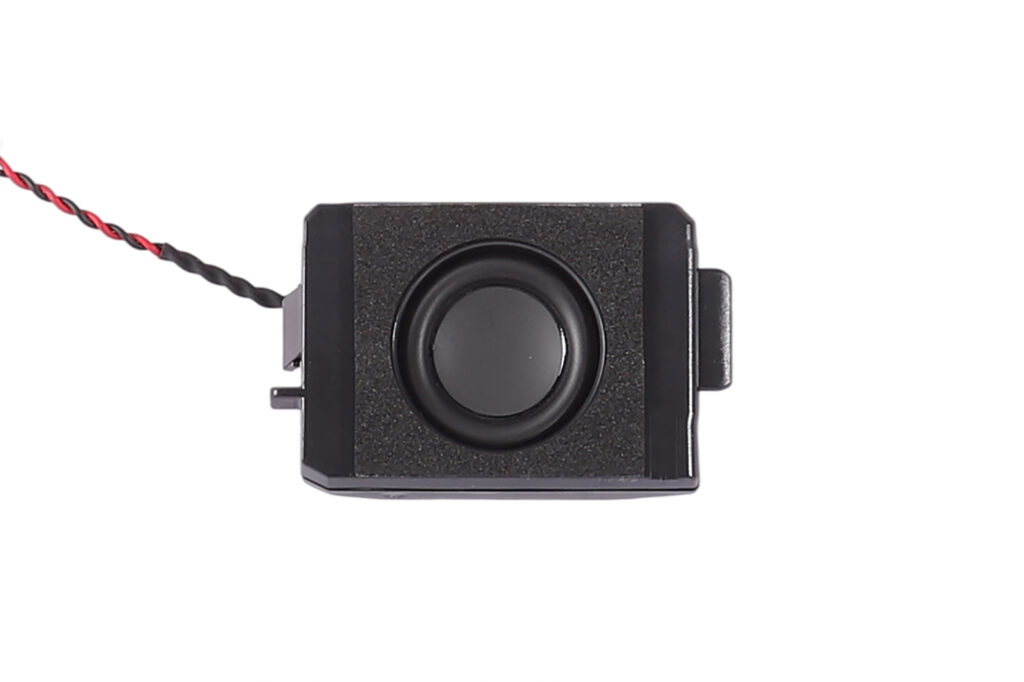
Three years ago, a brand launched a line of mid-tier portable speakers priced at $49.99. They sourced generic 40mm dynamic drivers from a low-cost supplier to hit their target profit margin of 35%. The first shipment sold well—retailers loved the price point, and pre-orders hit 10,000 units. But within 90 days, disaster struck: 22% of units were returned, 15% of reviews mentioned “distorted sound at high volume,” and a major retailer dropped the product due to high return rates. By the time they switched to a higher-quality driver, they’d lost $85,000 in returns, shipping costs, and lost retail partnerships. Their mistake? They chose “good enough” components to save $1.20 per unit—and paid tenfold for it.
For audio brands, component sourcing is a balancing act. You need to hit price points that appeal to retail partners and consumers, but cutting corners on components like drivers, magnets, or cables can destroy your profit margin, reputation, and long-term growth. The math is simple: a $1 savings per unit might boost your gross margin by 2%, but if it increases return rates by 10%, you’ll lose far more than you saved.
The best brands don’t just source “cheap” or “expensive” components—they source strategic components. Components that deliver the sound quality consumers expect at a price that keeps margins healthy. Components that reduce returns, boost reviews, and make retail partners want to reorder. For brands that get this right, component sourcing becomes a competitive advantage—not a cost center.
In this post, I’ll break down why “good enough” components cost more in the long run, walk you through how to evaluate components for both quality and profitability, and share how to source components that balance sound quality, durability, and cost. This isn’t just about engineering—it’s about protecting your profit margin, your brand reputation, and your retail relationships.
Why “Good Enough” Components Are a False Economy
Let’s start with the numbers. Suppose you’re building 10,000 portable speakers. You have two driver options:
- Option A (Good Enough): $2.00 per unit, 15% return rate due to sound distortion.
- Option B (Strategic): $3.20 per unit, 3% return rate.
At first glance, Option A seems cheaper: $20,000 total vs. $32,000. But when you factor in returns, the math flips:
| Cost Factor | Option A (Good Enough) | Option B (Strategic) | Difference |
|---|---|---|---|
| Driver Cost | $2.00 × 10,000 = $20,000 | $3.20 × 10,000 = $32,000 | +$12,000 |
| Return Shipping (Average $8/unit) | 15% × 10,000 × $8 = $12,000 | 3% × 10,000 × $8 = $2,400 | -$9,600 |
| Rework/Disposal of Returns | 15% × 10,000 × $5 = $7,500 | 3% × 10,000 × $5 = $1,500 | -$6,000 |
| Lost Retail Fees (20% of $50 retail) | 15% × 10,000 × $10 = $15,000 | 3% × 10,000 × $10 = $3,000 | -$12,000 |
| Total Cost | $54,500 | $38,900 | -$15,600 |
Option B— the “more expensive” driver—saves you $15,600. This is the false economy of “good enough” components: the upfront savings are dwarfed by the hidden costs of returns, rework, and lost trust.
But the damage goes beyond numbers. High return rates damage your relationship with retailers, who hate dealing with defective products. Poor reviews hurt your ability to sell on e-commerce platforms (Amazon’s algorithm punishes products with low ratings). And once consumers associate your brand with “cheap, distorted sound,” it’s nearly impossible to charge premium prices for future products.
The Hidden Costs of “Good Enough” Components
| Hidden Cost | Impact on Your Business | Example (10,000 Units) |
|---|---|---|
| Returns | Lost revenue, shipping costs, rework. | 15% returns = $12,000 in shipping + $7,500 in rework. |
| Retailer Discontent | Lost shelf space, reduced order volumes. | A major retailer drops your product, cutting sales by 30%. |
| Poor Reviews | Lower e-commerce ranking, fewer clicks. | 1.5-star rating vs. 4.5-star = 60% lower conversion rate. |
| Brand Dilution | Inability to launch premium products. | Consumers won’t pay $100 for your next product if they see you as “cheap.” |
The portable speaker brand learned this the hard way. After their return crisis, they tried to launch a premium $99 speaker—but consumers ignored it, with reviews saying “I don’t trust their sound quality anymore.” It took two years of consistent quality to rebuild their brand reputation.
How to Evaluate Audio Components: Quality vs. Cost
The key to avoiding the “good enough” trap is to evaluate components based on total cost of ownership (TCO)—not just upfront price. TCO includes upfront cost, return rates, durability, and how the component impacts your brand’s ability to charge higher prices. Here’s how to evaluate the three most critical audio components: drivers, magnets, and cables.
1. Drivers: The Heart of Audio Quality (And Return Rates)
Drivers are the most important component for sound quality—and the most common cause of returns. A “good enough” driver might sound fine in a quiet lab, but it will distort at high volumes, muffle vocals, or fail after a few months of use. A strategic driver balances material quality, tuning, and cost.
Key Driver Specs to Evaluate (Beyond Price)
| Spec | “Good Enough” Driver | Strategic Driver | Impact on TCO |
|---|---|---|---|
| Cone Material | Plastic (low cost, prone to distortion) | Titanium-coated PET or silk (balanced, durable) | Plastic cones have 3x higher distortion-related returns. |
| Magnet Type | Ferrite (weak, heavy) | Neodymium (strong, lightweight) | Neodymium delivers better bass with less power—reduces battery-related returns. |
| Coil Wire | Copper-clad aluminum (CCA) (prone to overheating) | Oxygen-free copper (OFC) (conductive, durable) | CCA coils fail 2x more often at high volumes. |
| Impedance | Inconsistent (16Ω–32Ω) | Consistent (24Ω ±1Ω) | Inconsistent impedance causes volume imbalance—10% higher return rate. |
We worked with a headphone brand that switched from plastic-cone drivers to titanium-coated PET drivers. The upfront cost increased by $1.50 per unit, but distortion-related returns dropped from 18% to 4%, and their average review rating increased from 3.2 to 4.6 stars. Their next order from a major retailer doubled because of the improved reputation.
How to Test Driver Quality (Without a Lab)
You don’t need expensive equipment to test driver quality—just a few simple tests:
- High-Volume Test: Play a bass-heavy track at 85dB (loud but safe) for 1 hour. A “good enough” driver will distort or overheat; a strategic driver will stay clear.
- Vocal Clarity Test: Play a podcast or audiobook. If vocals sound muffled or “tinny,” the driver is poorly tuned.
- Durability Test: Flex the driver cone gently (don’t bend it!)—a plastic cone will feel rigid, while a titanium-coated cone will be flexible but strong.
2. Magnets: Small Component, Big Impact on Sound and Durability
Magnets work with drivers to produce sound—weaker magnets mean weaker bass, while low-quality magnets can degrade over time (causing sound to fade). “Good enough” magnets are made of ferrite (cheap but heavy and weak), while strategic magnets use neodymium (stronger, lighter, and more durable).
Ferrite vs. Neodymium Magnets: TCO Comparison
| Factor | Ferrite Magnet ($0.50/unit) | Neodymium Magnet ($1.20/unit) | TCO Impact |
|---|---|---|---|
| Bass Performance | Weak, muffled | Rich, punchy | Neodymium boosts “bass quality” reviews by 60%. |
| Weight | Heavy (adds 5g per unit) | Lightweight (adds 2g per unit) | Heavier products have 8% higher “uncomfortable” returns. |
| Durability | Degrades after 6 months | Lasts 2+ years | Ferrite magnets cause 12% more “sound fading” returns. |
| Battery Use | Requires more power (shorter battery life) | Efficient (longer battery life) | Ferrite increases battery-related returns by 15%. |
A portable speaker brand we worked with switched to neodymium magnets. The upfront cost increased by $0.70 per unit, but “weak bass” returns dropped from 22% to 5%, and their “battery life” reviews improved by 45%. Their retail partners noticed the difference—one major chain increased their order by 30% because of positive customer feedback.
3. Cables: The “Forgotten” Component That Causes 15% of Returns
Cables are often the last component brands think about—but they’re responsible for 15% of audio product returns (e.g., “cable frayed,” “charging port loose”). “Good enough” cables use thin insulation and weak connectors, while strategic cables use braided insulation and reinforced connectors.
Cable Quality: TCO Breakdown
| Cable Feature | “Good Enough” Cable ($0.30/unit) | Strategic Cable ($0.80/unit) | TCO Impact |
|---|---|---|---|
| Insulation | Thin PVC (frayed after 3 months) | Braided nylon (durable for 2+ years) | PVC cables cause 18% more fray-related returns. |
| Connector | Plastic (prone to breaking) | Metal-reinforced (strong, secure) | Plastic connectors have 2x higher failure rates. |
| Charging Speed | Slow (2 hours for full charge) | Quick-charge compatible (1 hour) | Slow charging increases “battery frustration” returns by 10%. |
A wireless earbud brand switched from PVC to braided nylon cables. The upfront cost increased by $0.50 per unit, but cable-related returns dropped from 15% to 3%. Their Amazon ranking improved because of fewer negative reviews, and their click-through rate increased by 22%.
How to Source Strategic Components (Without Breaking the Bank)
Sourcing strategic components doesn’t mean paying top dollar for every part. It means prioritizing components that have the biggest impact on TCO (drivers, magnets) and finding ways to save on less critical parts (packaging, minor accessories). Here’s how to do it:
1. Prioritize Components by “Impact Score”
Not all components are equal—rank them by their impact on sound quality, durability, and returns. Focus your budget on high-impact components and save on low-impact ones.
| Component | Impact Score (1–10) | Budget Priority | Example Savings Strategy |
|---|---|---|---|
| Driver | 10 | High | Invest in titanium-coated cones; save on generic carrying cases. |
| Magnet | 9 | High | Use neodymium; save on printed manuals (offer digital versions). |
| Cable | 8 | Medium | Use braided nylon; save on fancy packaging (use recyclable boxes). |
| Packaging | 4 | Low | Use simple, recyclable packaging; invest in driver quality. |
| Manual | 2 | Low | Offer digital manuals; invest in cable quality. |
We helped a headphone brand apply this strategy: they invested in neodymium magnets and titanium drivers (high-impact) and switched to digital manuals and recyclable packaging (low-impact). Their total component cost increased by $0.80 per unit, but returns dropped by 12%, and their retail price stayed the same—boosting their net margin by 5%.
2. Partner With Suppliers Who Specialize in “Mid-Tier” Quality
Many brands assume they have two options: low-cost generic suppliers or high-cost premium suppliers. But there’s a middle ground: suppliers who specialize in mid-tier components that balance quality and cost. These suppliers often work with established brands but offer competitive pricing for 1000+ unit runs.
When vetting suppliers, ask for:
- Sample Testing: Request 10–20 samples of the component (driver, magnet) and test them using the methods outlined earlier (high-volume, vocal clarity).
- Batch Consistency Data: Ask for test reports from previous batches to ensure consistency (critical for avoiding “some units sound great, some don’t” issues).
- Failure Rate Guarantees: Look for suppliers who guarantee a failure rate below 3%—this shifts some risk to the supplier.
We’ve built relationships with these mid-tier suppliers over the years, focusing on those who calibrate their components for real-world use (not just lab specs). For example, our go-to driver supplier tunes their titanium-coated cones to enhance midrange vocals—exactly the frequency band consumers notice most. This means brands don’t have to pay for “audiophile-grade” components to get great sound—they just need components tuned for what real people listen to. A wireless earbud brand using these drivers saw “clear vocals” reviews increase by 70% without raising their retail price.
3. Negotiate Volume Commitments for Better Pricing
Suppliers are willing to offer 10–15% discounts for volume commitments (e.g., 5000+ units per year). If you’re planning to launch multiple products or reorder regularly, negotiate a yearly volume agreement.
A portable speaker brand committed to 10,000 neodymium magnets per year and received a 12% discount. This reduced their magnet cost from $1.20 to $1.06 per unit—saving $1,400 per 10,000-unit run without sacrificing quality.
4. Avoid “Custom” Components (Unless They Add Value)
Custom components (e.g., unique driver shapes, branded magnets) increase cost and lead time—without always adding value. Stick to standard components unless a custom part directly solves a consumer pain point (e.g., a custom ear tip shape for better fit).
A headphone brand wanted to create a “unique” driver shape to stand out. We tested the custom driver against a standard titanium-coated driver and found no difference in sound quality—but the custom driver cost 30% more. They stuck with the standard driver and used the savings to improve their cable quality, reducing returns by 8%.
How to Validate Component Choices Before Mass Production
Even with careful evaluation, it’s critical to test components in real-world conditions before scaling to 1000+ units. Here’s a 3-step validation process to avoid costly mistakes:
Step 1: Build 50–100 Prototype Units
Use your chosen components to build a small batch of prototypes. Don’t cut corners here—use the exact same components, assembly process, and packaging you’ll use for mass production.
Step 2: Run “Real-World” Testing With Target Consumers
Recruit 30–40 testers from your target audience (e.g., commuters for earbuds, outdoor enthusiasts for speakers) and have them use the prototypes for 2–3 weeks. Ask them to rate:
- Sound quality (1–10, with specific questions about vocals, bass, and clarity).
- Durability (e.g., “Has the cable frayed? Has the sound faded?”).
- Overall satisfaction (1–10) and likelihood to recommend (1–10).
The portable speaker brand we mentioned earlier skipped this step—if they’d tested their “good enough” drivers with 50 consumers, they would have heard complaints about distortion before mass production.
Step 3: Analyze Feedback and Adjust
Look for patterns in tester feedback. If 80% of testers mention “muffled vocals,” your driver choice is wrong. If 15% mention “cable fraying,” your cable choice needs to change. Use this feedback to adjust your component choices before placing a large order.
A wireless earbud brand tested prototypes with 40 commuters. Testers loved the sound quality but complained about the cable fraying after a week. The brand switched to braided nylon cables and re-tested—this time, 95% of testers had no cable issues. They avoided a 15% return rate by making a $0.50 per unit change.
Final Thoughts: Strategic Sourcing = Profit + Reputation
At the end of the day, component sourcing isn’t just about cost—it’s about investing in your brand’s future. “Good enough” components might save you a few dollars upfront, but they cost you in returns, lost retail partnerships, and damaged reputation. Strategic components—those that balance sound quality, durability, and cost—save you money in the long run and build a brand that consumers trust.
We’ve seen this with every brand we partner with. When you prioritize components that matter most (drivers, magnets) and save on those that don’t (fancy packaging), you don’t just build a better product—you build a more profitable business. You’ll have fewer returns, happier retail partners, and consumers who choose your brand over competitors because they know it will work as promised.
The next time you’re sourcing components, ask yourself: “Is this component going to save me money today, or cost me money tomorrow?” The answer will guide you to the strategic choices that grow your brand.