TWS Headphone Noise Cancellation: ANC vs. ENC vs. CVC – B2B Sourcing & Tuning Guide
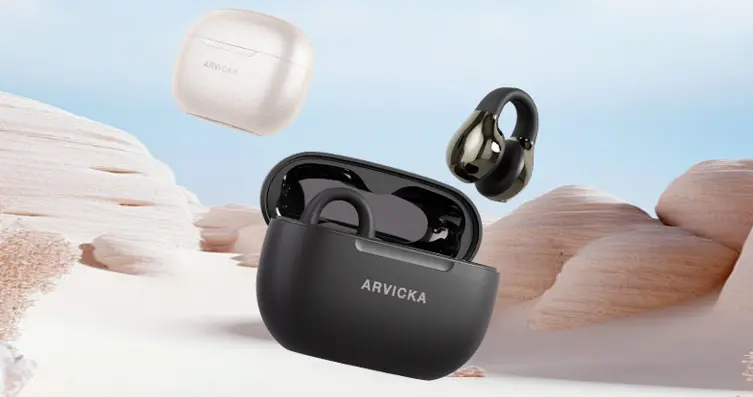
For B2B audio buyers—including brand owners, distributors, and OEM/ODM partners—noise cancellation has become a non-negotiable feature for TWS (True Wireless Stereo) headphones. Today’s consumers, whether commuting, working from home, or traveling, demand clear audio free from background noise. However, navigating the three main noise cancellation technologies—ANC, ENC, and CVC—can be overwhelming. Choosing the wrong technology leads to disappointed customers, high return rates, and wasted investment.
The core challenge for B2B buyers is not just understanding the technical differences between ANC, ENC, and CVC, but aligning those technologies with their target use cases and budget. ANC (Active Noise Cancellation) is powerful but costly, ENC (Environmental Noise Cancellation) excels at voice calls but not music, and CVC (Clear Voice Capture) is budget-friendly but less effective for heavy noise. For SMEs and B2B buyers working with tight margins, striking the right balance between performance and cost is critical.
In this guide, we break down the science behind ANC, ENC, and CVC, compare their performance, cost, and ideal use cases, and share actionable sourcing and tuning tips to help you make informed decisions. We’ll also highlight how our approach to noise cancellation tuning—focused on real-world performance and cost efficiency—has helped B2B clients launch successful TWS headphone lines that compete with premium brands at mid-range prices.
Understanding Noise Cancellation Technologies: ANC, ENC, CVC Explained
Before diving into comparisons, let’s define each technology in plain language—critical for B2B buyers who may not have a deep technical background but need to make strategic sourcing decisions.
1. ANC (Active Noise Cancellation): For Broadband Background Noise
Core Principle: ANC uses a “counterwave” to cancel out external noise. Here’s how it works:
- A microphone on the outside of the headphone earbud detects external noise (e.g., airplane engines, traffic, HVAC systems).
- A digital signal processor (DSP) analyzes the noise and generates an inverted sound wave (180 degrees out of phase with the original noise).
- The inverted wave is played through the headphone driver, canceling out the external noise before it reaches the user’s ear.
Key Types of ANC:
- Feedforward ANC: Microphone is placed outside the earbud. Effective for high-frequency noise (e.g., traffic, voices) but less so for low-frequency noise (e.g., airplane engines). Lower cost and simpler to implement.
- Feedback ANC: Microphone is placed inside the earbud (close to the user’s ear). Better for low-frequency noise but can cause audio distortion if not tuned properly.
- Hybrid ANC: Combines feedforward and feedback ANC. The most effective (cancels 20–40dB of noise across frequencies) but also the most costly and complex.
Jargon Breakdown: For B2B buyers, “hybrid ANC” is the gold standard for premium TWS headphones, while “feedforward ANC” is a cost-effective option for mid-range products.
2. ENC (Environmental Noise Cancellation): For Voice Call Clarity
Core Principle: ENC is designed specifically for improving voice call quality by reducing background noise picked up by the headphone’s call microphone. Unlike ANC, which cancels noise for the user, ENC cancels noise for the person on the other end of the call.
How it works:
- Multiple microphones on the earbuds capture both the user’s voice and background noise (e.g., office chatter, wind).
- The DSP uses algorithms to distinguish between the user’s voice (stable, close to the microphone) and background noise (variable, distant).
- The background noise is suppressed, while the user’s voice is amplified and transmitted to the call recipient.
Key Note: ENC is not effective for canceling noise during music playback—it’s purely a call-focused technology. It’s often paired with ANC for all-around performance.
3. CVC (Clear Voice Capture): Budget-Friendly Call Noise Reduction
Core Principle: CVC is a software-based noise reduction technology developed by Qualcomm. It uses digital filtering to reduce echo and background noise during calls, but it’s less advanced than ENC.
How it works:
- CVC uses echo cancellation algorithms to eliminate audio feedback (e.g., the user’s own voice bouncing back from the earbud).
- It applies frequency filtering to suppress low-level background noise (e.g., soft office hums) but struggles with loud, variable noise (e.g., traffic, wind).
Key Note: CVC is integrated into Qualcomm Bluetooth chipsets (e.g., QCC3040, QCC5141), so it’s a low-cost add-on for B2B buyers using Qualcomm components. It’s ideal for entry-level TWS headphones where cost is the primary concern.
ANC vs. ENC vs. CVC: B2B Comparison Table
To help you compare the three technologies side-by-side, we’ve compiled a detailed matrix based on our in-house testing and B2B client feedback. This table focuses on the factors that matter most to B2B buyers: performance, cost, complexity, and use case suitability.
| Factor | ANC (Hybrid) | ENC | CVC | Ideal B2B Use Case |
|---|---|---|---|---|
| Noise Reduction Effectiveness | 20–40dB (cancels low, mid, high frequencies) | 15–25dB (cancels call background noise only) | 5–10dB (cancels echo and soft background noise) | ANC: Premium commuter/travel headphones ENC: Mid-range work/office headphones CVC: Entry-level daily use headphones |
| Cost (Per Unit) | $3–$5 (includes extra microphones, advanced DSP) | $1–$2 (includes 2+ call microphones) | $0.20–$0.50 (software-only, integrated into chipset) | ANC: $50+ wholesale price ENC: $30–$50 wholesale price CVC: $15–$30 wholesale price |
| Implementation Complexity | High (requires tuning for stability, no distortion) | Medium (requires microphone placement optimization) | Low (plug-and-play with Qualcomm chipsets) | ANC: Experienced OEM/ODM partners only ENC: Most manufacturers with basic tuning capability CVC: All manufacturers (no extra engineering) |
| Power Consumption | High (reduces battery life by 15–20%) | Medium (reduces battery life by 5–10%) | Low (negligible impact on battery life) | ANC: Headphones with 6+ hour battery life ENC: Headphones with 4+ hour battery life CVC: No battery life concerns |
| User Perception | Premium feature (drives higher margins) | Value-added feature (key for work-from-home market) | Basic feature (expected for entry-level products) | ANC: Brand differentiation for premium lines ENC: Competitive advantage in office/work segments CVC: Meets minimum call quality expectations |
Real-World B2B Use Case Examples
To illustrate how these technologies translate to market success, here are two examples from our client portfolio (generalized to protect confidentiality):
Example 1: Mid-Range Work-from-Home TWS Headphones (ENC + CVC)
A European B2B distributor approached us to develop TWS headphones for remote workers. Their key requirements: clear call quality, budget-friendly ($35 wholesale price), and 8+ hour battery life.
We recommended combining ENC (for call noise cancellation) with CVC (for echo reduction) to balance performance and cost. We used a Qualcomm QCC3050 chipset (integrated CVC) and added two extra call microphones for ENC. The tuning focused on suppressing office noise (e.g., keyboard typing, colleague chatter) while enhancing the user’s voice.
The product launched in Europe and sold 12,000 units in six months. Retailers praised the call quality, and remote workers valued the ability to take calls in noisy home offices. The combination of ENC and CVC delivered the required performance at a price point that appealed to budget-conscious buyers.
Example 2: Premium Commuter TWS Headphones (Hybrid ANC + ENC)
A global audio brand partnered with us to launch a premium TWS line targeting frequent travelers. Their key requirements: strong noise cancellation for airplanes/trains, clear call quality, and premium sound.
We implemented hybrid ANC (feedforward + feedback) to cancel broadband noise (airplane engines, traffic) and paired it with ENC for call clarity. We used a high-performance DSP (Qualcomm QCC5151) and tuned the ANC to focus on low-frequency noise (the biggest pain point for travelers). We also optimized battery life to 7 hours with ANC on (10 hours without) to meet traveler needs.
The product retailed for $199.99 and became a top seller in the premium segment. Reviewers highlighted the ANC performance (canceling 35dB of airplane noise) and call clarity in busy airports. The B2B client achieved a 40% profit margin, demonstrating how ANC can drive premium pricing.
B2B Sourcing Tips: Choosing the Right Noise Cancellation Technology
As a B2B buyer, your technology choice should align with three key factors: target market, price point, and brand positioning. Below are actionable tips to help you make the right decision:
1. Define Your Target Use Case First
- Commuters/Travelers: Prioritize hybrid ANC—this is the most sought-after feature for users facing loud, constant noise (airplanes, trains, buses).
- Remote Workers/Office Users: Prioritize ENC—call quality is more important than music noise cancellation for this segment.
- Casual Users/Entry-Level Market: CVC is sufficient—these users value basic functionality and low price over advanced noise cancellation.
2. Balance Performance with Cost
- For mid-range products ($30–$50 wholesale), combine ENC with CVC—this delivers call quality without the high cost of ANC.
- For premium products ($50+ wholesale), invest in hybrid ANC + ENC—this creates a “all-around” product that appeals to power users.
- For entry-level products ($15–$30 wholesale), stick with CVC—this meets minimum expectations without adding unnecessary cost.
3. Partner with a Manufacturer That Offers Tuning Expertise
Noise cancellation performance depends heavily on tuning—not just component selection. A poorly tuned ANC system can cause audio distortion, feedback, or ineffective noise cancellation, even with premium components.
We specialize in noise cancellation tuning for B2B clients, with a focus on:
- ANC Stability: Ensuring the inverted noise wave doesn’t cause distortion (especially critical for feedback ANC).
- Noise Targeting: Tuning the DSP to prioritize the noise types relevant to your target use case (e.g., low-frequency noise for travelers, mid-frequency noise for office users).
- Battery Optimization: Balancing ANC performance with battery life—we use power management algorithms to reduce ANC’s battery impact by 10–15%.
Our tuning process includes real-world testing in environments relevant to your target market (e.g., airports, offices, commuter trains) to ensure the technology performs as expected. This attention to detail has helped our B2B clients avoid common pitfalls like “weak ANC” or “distorted calls” that lead to returns.
4. Consider Component Compatibility
- ANC requires a DSP that supports noise cancellation algorithms—look for chipsets like Qualcomm QCC5141, MediaTek MT2811S, or BES2700.
- ENC works best with multiple high-sensitivity microphones (MEMS microphones are preferred for their small size and low power consumption).
- CVC is only available with Qualcomm chipsets—if you’re using a different chipset (e.g., MediaTek), you’ll need to use an alternative software-based noise reduction solution.
We work with trusted component suppliers (Qualcomm, MediaTek, Knowles) to ensure compatibility and consistent performance. For B2B clients, we provide component recommendations based on your technology choice and budget.
How We Support B2B Clients in Noise Cancellation Sourcing
Choosing and implementing noise cancellation technology is a complex process, but our B2B-focused approach simplifies it—delivering products that meet your performance goals and budget. Here’s what sets our service apart:
- Technology Consultation: We help you select the right noise cancellation technology based on your target market, price point, and brand positioning. For example, if you’re targeting the work-from-home market, we’ll recommend ENC + CVC; if you’re launching a premium line, we’ll prioritize hybrid ANC.
- Expert Tuning: Our audio engineers have years of experience tuning ANC, ENC, and CVC for TWS headphones. We use advanced tools like MATLAB and Audio Precision to optimize performance, ensuring no distortion, effective noise cancellation, and clear call quality.
- Cost Transparency: We provide a detailed breakdown of component and tuning costs, helping you make informed decisions about where to invest. For example, we’ll explain how switching from hybrid ANC to feedforward ANC can reduce per-unit cost by $2 without significant performance loss for mid-range products.
- Quality Control: We conduct rigorous noise cancellation testing for every batch—measuring noise reduction levels, testing for distortion, and verifying call quality in noisy environments. This ensures consistent performance across all units, reducing return rates for B2B clients.
Our B2B clients range from emerging brands to established distributors, and we’ve helped them launch TWS headphones with noise cancellation that competes with premium brands like Sony and Bose—at a fraction of the manufacturing cost. One client—a US-based distributor—partnered with us to launch a mid-range TWS line with ENC. The product retailed for $79.99 and outperformed competitors in call quality tests, leading to a 25% increase in repeat orders.
Final Recommendation for B2B Buyers
- If you’re targeting the premium market: Choose hybrid ANC + ENC—this is the most compelling feature combination for power users and drives higher margins.
- If you’re targeting the mid-range/work market: Choose ENC + CVC—this balances call quality and cost, appealing to remote workers and budget-conscious buyers.
- If you’re targeting the entry-level market: Choose CVC—this meets basic expectations without adding unnecessary cost.
No matter which technology you choose, prioritize tuning and component quality. A well-tuned CVC system can outperform a poorly tuned ANC system, and using high-quality microphones and chipsets ensures consistent performance.
Noise cancellation is no longer a “nice-to-have” feature for TWS headphones—it’s a requirement. By choosing the right technology, partnering with an experienced manufacturer, and focusing on real-world performance, you can launch a successful B2B TWS line that resonates with consumers and drives profitable growth. We’re here to support you every step of the way—from technology selection to tuning to production.
Whether you’re sourcing entry-level headphones with CVC or premium headphones with hybrid ANC, we invite you to share your requirements. We’ll work with you to develop a noise cancellation solution that meets your goals, fits your budget, and helps you stand out in the competitive audio market.